
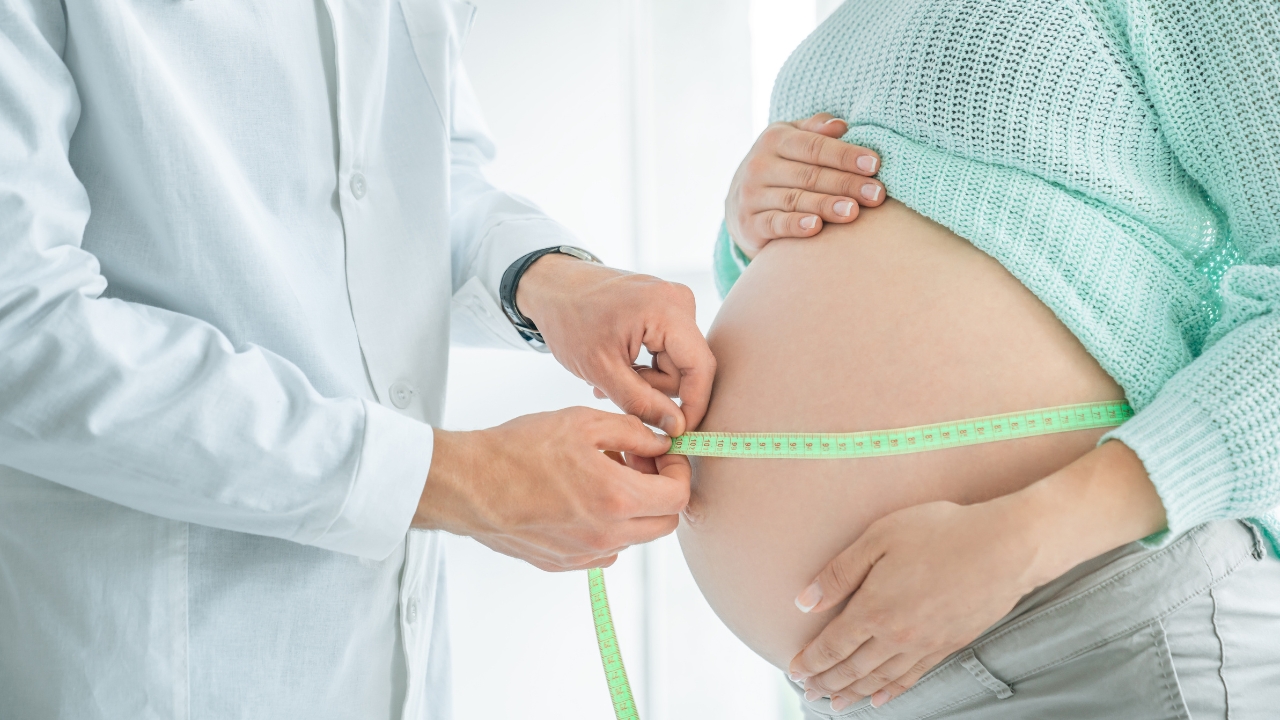
No parent ever feels like they fully know everything, especially when new parenting trends seem to appear online every week.
Right now, one phrase making the rounds on TikTok is the “99th percentile baby.” The trend picked up after a Brisbane mom, Britanny Opetaia-Halls, went viral for sharing her experience of giving birth to a baby much larger than average.
According to reports, her daughter weighed 22 pounds, 9 ounces, which is around 5 pounds heavier than the average baby her age.
That story quickly caught attention online, with many parents wondering what the term actually means and whether having a baby in the 99th percentile is something to worry about.
Dr. Sermed Mezher, a London-based GP and digital health content creator, explained that babies who measure in the 99th percentile for weight while in the womb are often described as macrosomic.
In simple terms, that means the baby is significantly larger than average for their gestational age. He also pointed out that while many macrosomic babies are born healthy, their size can increase the chances of certain pregnancy and delivery complications.
What It Really Says About Your Baby’s Size
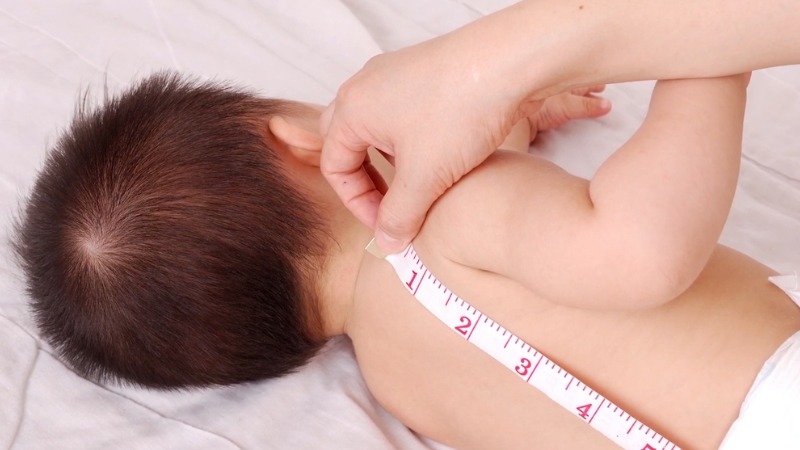
A baby in the 99th percentile for weight is larger than 99 percent of babies at the same stage of development. That does not automatically mean there is a health problem, but it does mean the baby is at the very top end of the size range doctors use to track growth.
In some cases, this can make labor and delivery more complicated. One of the best-known risks is shoulder dystocia, which happens when the baby’s shoulders get stuck during vaginal delivery. A larger baby may also make a cesarean section more likely.
For the mother, there can be a higher risk of perineal tearing, heavier bleeding after birth, and more physical strain during pregnancy and labor.
Doctors usually place these cases under the term fetal macrosomia, which refers to babies who are much larger than average for their gestational age. The 99th percentile is one of the most extreme ends of that category.
The Most Common Reasons Doctors See
There is no single reason a baby measures in the 99th percentile. In many cases, several factors may be involved at the same time.
Some of the most common reasons include a larger-than-expected fundal height, which can suggest faster fetal growth, and significant weight gain during pregnancy. Gestational diabetes or pre-existing diabetes can also play a major role, since higher blood sugar levels can affect how much the baby grows in the womb.
A history of giving birth to larger babies can matter too. Some women are simply more likely to have bigger babies based on previous pregnancies.
Going past the due date may also increase the chances, since the baby has more time to keep growing. Genetics can be another factor, especially if one or both parents were large babies themselves.
How Doctors Tell If Your Baby Is in the 99th Percentile Before Birth
@tashvincent Growing another 99th percentile baby 🤍 Second pregnancy. Both babies 99th percentile. Planned C-section. Baby girl: 5.12kg at 39 weeks. This pregnancy wasn’t pretty. Morning sickness, gastro, two hospital visits, a chest infection… and two fractured ribs in my third trimester. I felt like Bella from Twilight 🤣 literally breaking my body to bring her into the world. And honestly, I didn’t always feel that magical “bond” with my bump. The one you’re expected to feel. I felt miserable, disconnected from my body, and guilty for it. But the moment she was placed in my arms, everything changed. Not every pregnancy is beautiful or comes with a glow. I found my glow inside her 🤍 #bigbaby #birthstory #pregnancyjourney ♬ Just A Girl – No Doubt
If a doctor suspects that a baby may be measuring large, the next step is usually an ultrasound. This can help estimate fetal weight and check amniotic fluid levels. Still, it is important to understand that ultrasound is not exact.
Doctors generally say these estimates can be off by about 10 percent either way. So if a scan suggests a baby weighs 9 pounds, the actual weight could be closer to 8 pounds or even 10 pounds. That margin matters, especially when delivery plans are being discussed.
Ultrasound can give doctors a useful sense of whether a baby is unusually large, but it cannot fully predict complications like shoulder dystocia.
Because of that, healthcare providers usually look at the entire clinical picture, including the mother’s health, pregnancy history, and any signs of diabetes, before deciding on the safest delivery approach.
What Parents Should Know About Delivery and Long-Term Health
View this post on Instagram
For many families, the immediate concern is delivery. A very large baby can raise the chances of a more difficult birth, emergency interventions, or a planned cesarean section.
Babies born larger than average may also have a higher risk of low blood sugar shortly after birth, which is one reason doctors often monitor them more closely in the early hours and days.
Some research suggests there may also be longer-term effects. A 2013 study published in the Maternal and Child Health Journal found that babies born in the 99th percentile were 1.52 times more likely to become overweight or obese by age 7. Other research has also linked higher birth weight with a greater risk of obesity later in childhood.
There is also concern about a possible higher risk of metabolic syndrome later in life. That term refers to a group of conditions, including high blood sugar, excess body fat, and abnormal cholesterol levels, that can increase the risk of heart disease, stroke, and diabetes over time.
Still, being born in the 99th percentile does not mean a child is destined for health problems. It simply means doctors may pay closer attention both during pregnancy and after birth to make sure the baby and mother stay safe.