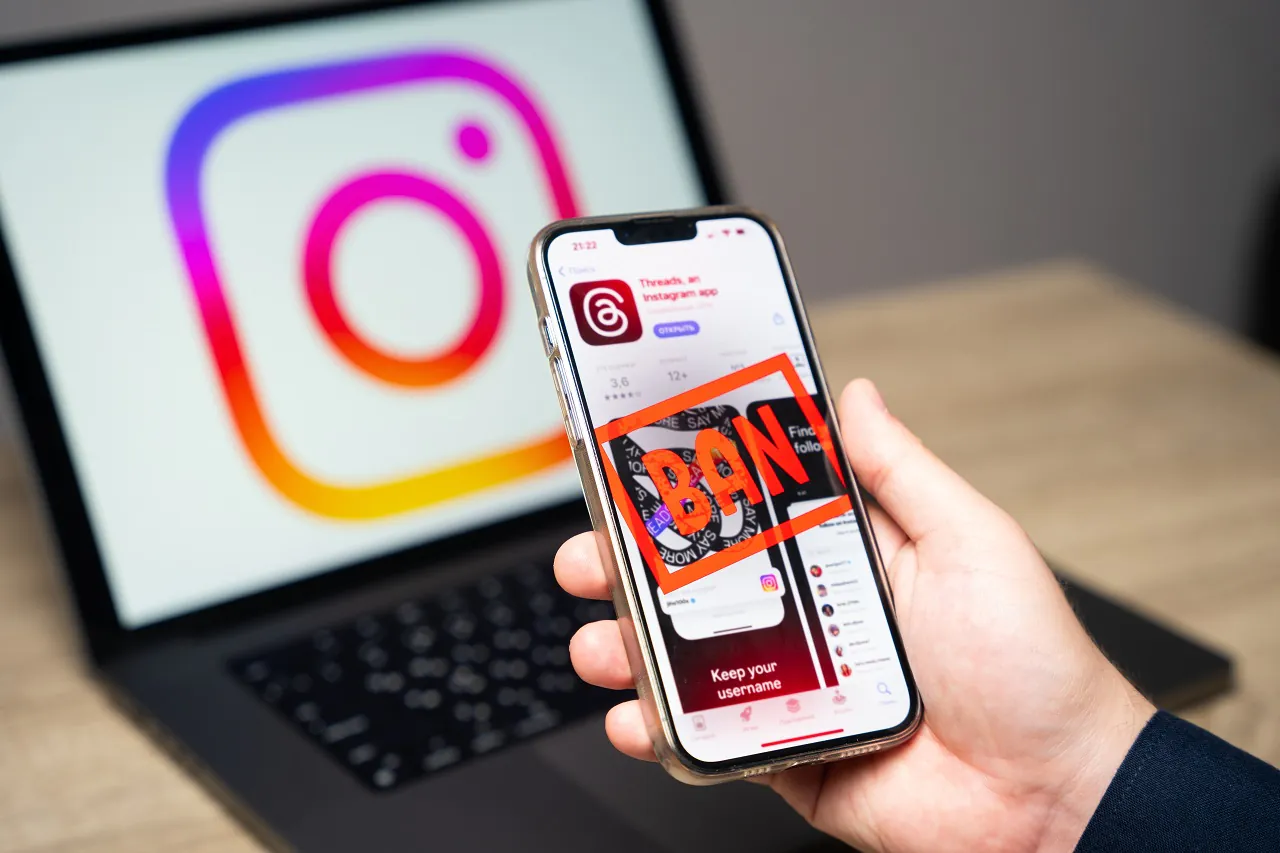
The United Kingdom plans to ban children under 16 from major social media platforms by spring 2027, Prime Minister Keir Starmer announced, in a policy aimed at TikTok, Instagram, Snapchat, YouTube, Facebook and X.
The announcement is about the UK. It will apply to children in England, Scotland, Wales and Northern Ireland once the law and Ofcom rules are in place. Messaging apps such as WhatsApp and Signal are outside the ban, according to the BBC live coverage.
Starmer said the government is acting because social media companies have failed to keep children safe. The plan follows similar restrictions in Australia and will place the legal duty on platforms, rather than parents or children.
Table of Contents
ToggleWhat The UK Social Media Ban Would Achieve?
The ban would stop under-16s from holding accounts on major social media platforms. The government is expected to bring legislation before Parliament before Christmas, with the rules due to take effect in spring 2027.
The Associated Press reported that the measure would require platforms to use age checks and remove underage users from covered services. Companies that fail to comply could face enforcement action and fines.
The policy also reaches beyond standard social feeds. Starmer said the government wants limits on livestreaming, stranger contact and parts of online gaming where children can be contacted by unknown users.
The government says children face harmful content, addictive feeds, bullying, sexual material, dangerous online challenges and contact from adults. Bereaved parents who lost children after online harm have been central to the pressure for a tougher law.
Children charities welcomed action against harmful content, while warning that enforcement will decide whether the ban works. The National Society for the Prevention of Cruelty to Children said age checks and platform accountability will be essential.
The UK already has the Online Safety Act, which created duties for platforms to protect children from harmful content. The government explains those child safety duties in its Online Safety Act guidance.
We previously covered the same privacy and safety fight in our report on UK age checks and online privacy.
How Age Verification Could Work?
The ban depends on age assurance. Platforms will need a way to check whether users are old enough. That could include facial age estimation, ID checks, account history, payment data or other methods approved by Ofcom.
Ofcom already published child safety rules for online platforms under the Online Safety Act, including safer feeds, age checks and measures to reduce children exposure to harmful content. The regulator explains those rules in its child online safety update.
The hard part is privacy. Age checks can reduce underage access, but they can also require users to hand over sensitive data. Civil liberties groups have warned for years that identity checks can expose adults and children to new data risks.
Why The Ban Could Be Hard To Enforce?
Australia introduced a similar under-16 social media ban in December 2025. The early results have been uneven. The BBC reported that teenagers have used VPNs, fake details and other workarounds to stay on platforms.
@bbcnews As Australia’s social media ban came into effect, the BBC spoke to teenagers about what happened when they tried to access their accounts. #Australia #SocialMedia #SocialMediaBan #BBCNews ♬ original sound – BBC News
That experience matters for the UK. A ban can be passed in Parliament, but the real test is whether TikTok, Instagram, YouTube, Snapchat, Facebook and X can identify younger users without creating a privacy problem for everyone else.
Tech companies also say bans can push children into less regulated spaces. Meta and Snapchat warned that young people could move toward platforms with weaker safety tools and fewer parental controls.
What Teenagers And Parents Are Saying
Reaction is divided. Some parents say the ban is overdue because social media companies have had years to fix harmful design and failed. Others say parents should decide when children use platforms.
Teenagers interviewed by the BBC also gave mixed answers. Some said social media had become unsafe. Others said ministers should make platforms safer instead of wiping access away for everyone under 16.
The debate is tied to a larger health concern. Our team at NCH Stats has reported on digital fatigue among Gen Z, including screen time, stress and mental health pressure linked to heavy online use.
What Happens Next
The government still has to bring the legislation to Parliament. Ofcom then has to define the technical standards platforms must meet.
Families do not need to change anything immediately. Existing accounts will not be removed overnight. The policy is scheduled for spring 2027, giving platforms, schools and parents time to prepare.
The biggest open questions are simple: whether teenagers can bypass the checks, whether adults will face new verification demands, and whether the ban makes children safer online.
Related Posts:
- How People Consumed Media In 2025? (TV, Streaming…
- 99th Percentile Baby Trend Explained - Why TikTok…
- YouTube TV Settlement Deadline Is Today, Who Can…
- Florida Will Ban Welfare Cash From Paying for Video…
- US Military Removed 180 Religions From Its List, But…
- San Francisco May Ban Smoking On Outdoor Bar Patios