
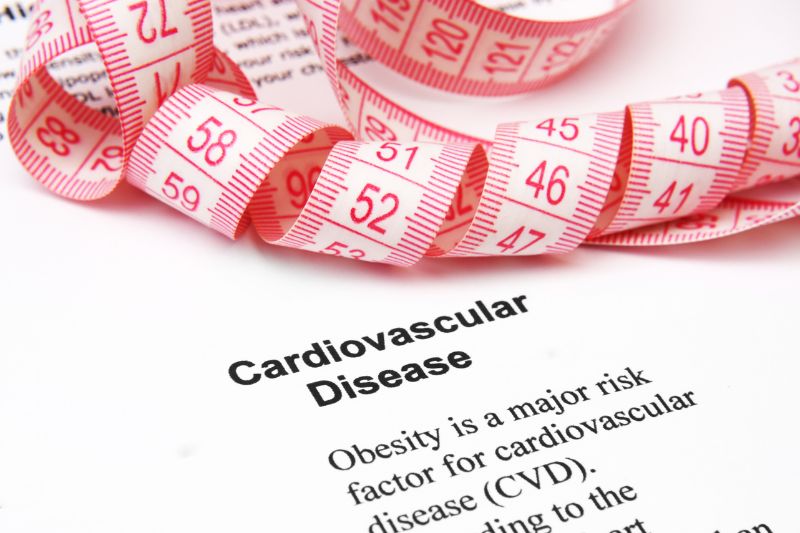
Cardiovascular disease rarely develops because of one single cause. The risk builds through a combination of medical conditions, daily habits, age, family history and the environment in which a person lives.
High blood pressure, high cholesterol and smoking are among the biggest risk factors. Diabetes, obesity, physical inactivity, poor diet and excessive alcohol use can add further pressure on the heart and blood vessels.
Many of these factors are connected. Inactivity can contribute to weight gain. Excess weight can increase blood pressure and the risk of type 2 diabetes. Diabetes can then damage blood vessels and speed up plaque buildup.
The encouraging part is that several major cardiovascular disease risk factors can be controlled through medical care, medication and lasting changes in daily habits.
Major Causes and Risk Factors for Cardiovascular Disease
- High blood pressure: Damages arteries and forces the heart to work harder.
- High cholesterol: Allows plaque-forming particles to collect inside artery walls.
- Smoking: Damages blood vessels, raises blood pressure and makes blood clots more likely.
- Diabetes: High blood sugar harms blood vessels and nerves connected with the heart.
- Obesity: Raises the likelihood of hypertension, diabetes and unhealthy cholesterol levels.
- Physical inactivity: Contributes to poor circulation, weight gain and reduced cardiovascular fitness.
- Unhealthy diet: Excess salt, added sugar and saturated fat can raise blood pressure, glucose and cholesterol.
- Excessive alcohol use: Can increase blood pressure, triglycerides and the risk of abnormal heart rhythms.
- Age and family history: Genetic risk and normal changes associated with aging cannot be controlled, though other risks can still be reduced.
1. High Blood Pressure
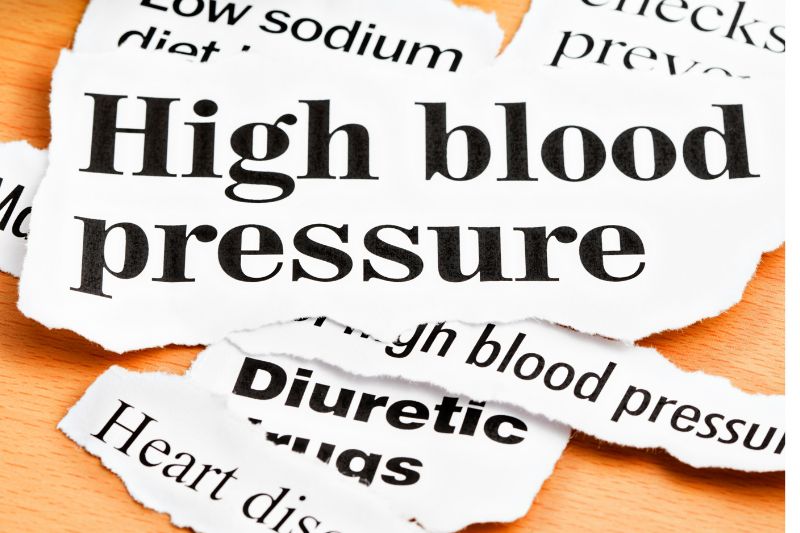
High blood pressure, also called hypertension, is one of the most important cardiovascular disease risk factors. The condition places constant force on artery walls and makes the heart work harder to move blood through the body.
Over time, that pressure can damage the inner lining of the arteries. Cholesterol and other material can collect in the damaged areas, helping plaque develop. Hypertension can also cause the heart muscle to become thicker and less efficient.
Uncontrolled high blood pressure increases the risk of heart attack, stroke, heart failure, kidney disease and damage to blood vessels in the eyes and brain.
Hypertension usually produces no clear symptoms. A person can have dangerously high readings while feeling normal, which is why regular blood pressure checks are important.
The latest CDC hypertension facts and statistics show that the condition affects a large share of U.S. adults, while many people do not have it under control.
2. High Cholesterol and Triglycerides
Cholesterol is necessary for normal cell and hormone production, though unhealthy levels can contribute to atherosclerosis.
Low-density lipoprotein, commonly called LDL cholesterol, carries cholesterol through the bloodstream. When too many LDL particles circulate, they can enter artery walls and become part of plaque.
Triglycerides are another type of blood fat. Elevated levels can appear alongside diabetes, obesity, low HDL cholesterol and a diet high in refined carbohydrates or added sugar.
High cholesterol usually causes no symptoms. A blood test is the only way to know the levels. Doctors may review LDL, HDL, triglycerides and non-HDL cholesterol when estimating cardiovascular risk.
As we explained in our guide to average non-HDL cholesterol levels, non-HDL cholesterol includes several types of particles capable of contributing to plaque buildup.
3. Tobacco Use and Secondhand Smoke

Smoking damages the heart and blood vessels from several directions.
Chemicals in tobacco smoke harm the lining of the arteries, promote inflammation and make plaque more likely to form. Nicotine raises heart rate and blood pressure, while carbon monoxide reduces the amount of oxygen carried in the blood.
Smoking also makes platelets more likely to stick together. This increases the chance that a blood clot will form and suddenly block an artery supplying the heart or brain.
Secondhand smoke carries cardiovascular risk as well. People who do not smoke can still be exposed to chemicals that damage blood vessels and increase the likelihood of heart disease.
Stopping tobacco use lowers cardiovascular risk, including among people who have smoked for many years. The World Health Organization tobacco fact sheet explains the wider health burden caused by smoking and secondhand exposure.
4. Diabetes
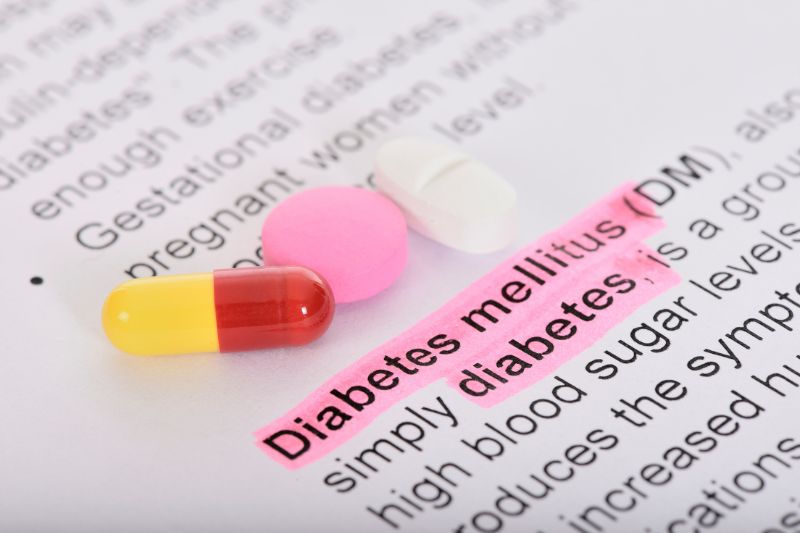
Diabetes substantially increases the risk of heart attack, stroke, heart failure and other cardiovascular complications.
High blood sugar can damage blood vessels and the nerves that control the heart. The damage develops gradually, especially when glucose levels remain elevated for long periods.
People with type 2 diabetes also have higher rates of several related cardiovascular risks:
- High blood pressure
- Elevated triglycerides
- High LDL cholesterol
- Low HDL cholesterol
- Obesity
- Kidney disease
The combination of diabetes and hypertension places greater pressure on the cardiovascular system than either condition alone.
The American Heart Association guide to diabetes and cardiovascular disease explains why blood pressure, cholesterol and blood sugar need to be managed together.
5. Obesity
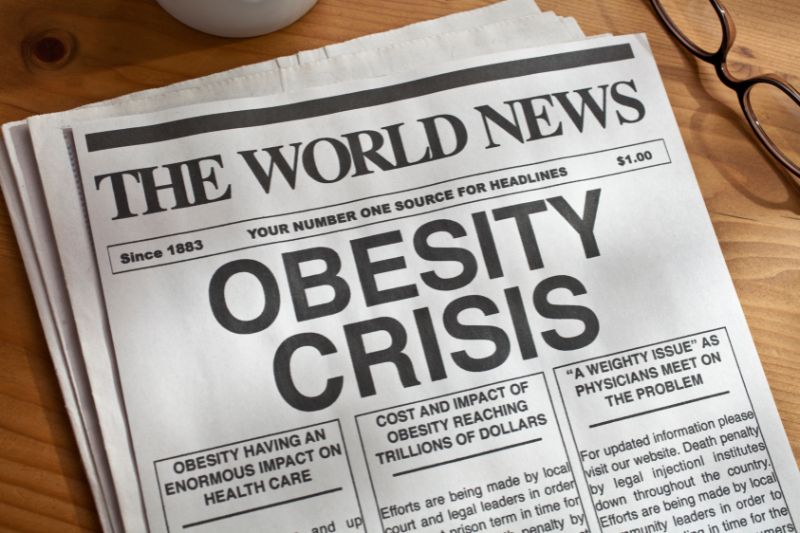
Obesity can place additional strain on the heart and increase the likelihood of several conditions that damage blood vessels.
Excess body fat, especially around the waist, is linked with insulin resistance, high blood pressure, elevated triglycerides, type 2 diabetes and inflammation. These conditions can combine and sharply increase cardiovascular risk.
Body mass index does not describe body composition or individual health perfectly. Doctors may also consider waist measurement, blood pressure, glucose, cholesterol, fitness and medical history.
Weight loss can improve several risk factors at the same time. Even a moderate reduction can help lower blood pressure, improve blood sugar control and produce a healthier cholesterol profile.
The World Health Organization overview of obesity and overweight describes the connection with heart disease, diabetes and other chronic conditions.
6. Physical Inactivity
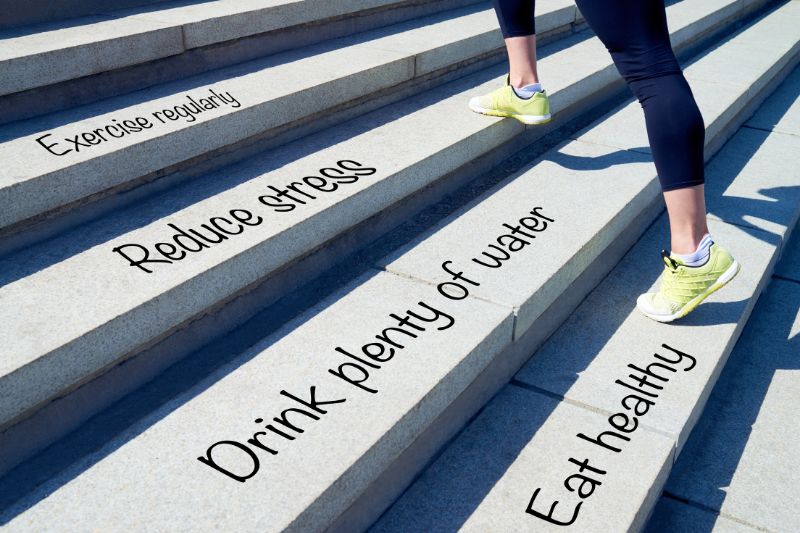
Regular movement helps the heart pump efficiently and supports healthier blood pressure, cholesterol and blood sugar levels.
Long periods without enough activity can contribute to weight gain, poor cardiovascular fitness and insulin resistance. Inactivity also increases the likelihood of developing other risk factors, including hypertension and type 2 diabetes.
Adults should aim for at least 150 minutes of moderate aerobic activity each week or 75 minutes of vigorous activity. Muscle-strengthening exercise should be included on at least two days.
Moderate activity includes brisk walking, cycling, swimming and physically demanding yard work. People who have been inactive or have a cardiovascular condition should speak with a healthcare professional before starting a demanding exercise program.
The WHO physical activity recommendations cover the amount of movement advised for adults, children and older people.
7. Diet High in Salt, Added Sugar and Saturated Fat
Diet influences cardiovascular risk through blood pressure, cholesterol, triglycerides, blood sugar and body weight.
Too much sodium can raise blood pressure in people who are sensitive to salt. Foods high in saturated and trans fats can contribute to an unhealthy cholesterol profile, while frequent sugary drinks can raise triglycerides and increase the risk of type 2 diabetes.
A heart-supportive eating pattern centers on:
- Vegetables and fruit
- Whole grains
- Beans and other plant proteins
- Fish
- Nuts and seeds
- Unsaturated fats
- Minimally processed foods
Packaged snacks, processed meat, fried food and sugar-sweetened drinks can add large amounts of sodium, saturated fat or added sugar without being obvious from the serving size.
One meal does not determine cardiovascular health. The repeated pattern over months and years carries greater importance.
8. Excessive Alcohol Use
Heavy alcohol consumption can raise blood pressure and triglycerides. It can also weaken the heart muscle, contribute to weight gain and trigger abnormal heart rhythms.
Binge drinking creates an additional short-term risk because it can cause sudden changes in heart rate and blood pressure.
People who do not drink alcohol do not need to begin for possible heart benefits. Those who drink should discuss personal risk with a healthcare professional, especially when taking medication or living with hypertension, diabetes, liver disease or an abnormal heart rhythm.
The CDC information on alcohol use and health explains how excessive consumption affects the heart and other organs.
9. Age, Genetics and Family History
Cardiovascular risk generally rises with age as arteries become less flexible and the effects of long-term exposure to high blood pressure, cholesterol and other risks accumulate.
Family history also provides important information. A person faces greater concern when a parent or sibling developed coronary artery disease, a heart attack or stroke at an unusually young age.
Inherited conditions can directly increase risk. Familial hypercholesterolemia, for example, causes very high LDL cholesterol from birth and can lead to early cardiovascular disease without treatment.
Age and genetic history cannot be changed. Knowing about them allows doctors to begin screening earlier and treat controllable risks more aggressively.
How the Risk Factors Work Together?
Cardiovascular risk is cumulative. A person with diabetes, high blood pressure and smoking exposure faces greater danger than someone with only one of those factors.
Doctors may use a cardiovascular risk calculator that includes age, cholesterol, blood pressure, diabetes and smoking status. The result estimates the likelihood of a heart attack or stroke within a defined period.
As we reported in our review of heart disease statistics in the United States, cardiovascular conditions continue to cause a substantial share of deaths and long-term disability.
How to Lower Cardiovascular Disease Risk?
Prevention begins with knowing the numbers that show early risk. Blood pressure, cholesterol, triglycerides and blood sugar can become abnormal before symptoms appear.
Useful steps include:
- Check blood pressure regularly
- Complete cholesterol and diabetes screening when advised
- Stop smoking and avoid secondhand smoke
- Stay physically active throughout the week
- Limit foods high in sodium, added sugar and saturated fat
- Follow prescribed treatment for hypertension, diabetes and high cholesterol
- Maintain regular medical appointments
- Share early heart disease in the family with a doctor
Chest pressure, sudden shortness of breath, weakness on one side of the body, facial drooping or difficulty speaking require immediate emergency care. These can be signs of a heart attack or stroke.
References
- Centers for Disease Control and Prevention, High Blood Pressure Facts and Statistics
- World Health Organization, Tobacco
- American Heart Association, Cardiovascular Disease and Diabetes
- World Health Organization, Obesity and Overweight
- World Health Organization, Physical Activity
- Centers for Disease Control and Prevention, About Alcohol Use
- Centers for Disease Control and Prevention, Heart Disease Risk Factors
- World Health Organization, Cardiovascular Diseases