
For decades, coal ash has been treated as little more than a toxic reminder of America’s fossil-fuel past, a gray, powdery waste piled into landfills, buried in ponds, and left for environmental agencies to monitor.
But a growing body of research is now pointing to something unexpected: the same waste we have worried about for years might actually be hiding tens of billions of dollars in rare earth elements.
When I first read the new analysis from the University of Texas team led by hydrogeologist Bridget Scanlon, I found myself rereading the estimate twice. Up to 97 billion dollars in recoverable rare earths from coal ash produced between 1985 and 2021.
If those numbers hold, it could significantly reshape how the U.S. approaches not only its energy waste but its long-term mineral security.
And frankly, it raises an uncomfortable question that the country has been avoiding:
Why is the United States throwing away the very minerals it is desperate to import?
Why Rare Earth Elements Matter So Much, And Why the U.S. Is Worried
Rare earth elements (REEs) sound exotic, but they power a huge chunk of modern life:
- electric car motors
- wind turbines
- fighter jet sensors
- mobile phones
- hard drives
- medical imaging equipment
If you’re holding a smartphone, you’re holding rare earths. If you’re thinking about buying an EV, congratulations, you’re entering a market almost entirely dependent on them.
The U.S. government officially designates REEs as “critical minerals”, meaning the economy and national security depend on them. Yet the country imports around 70 percent of its supply from China, which not only dominates global production but also the processing infrastructure that turns raw material into usable forms.
To put it bluntly:
The U.S. needs rare earths more than ever, but it barely produces any.
That’s why the new coal ash analysis feels like it could be a turning point, if the technology catches up.
Coal Ash: From Dirty Waste to Potential Resource
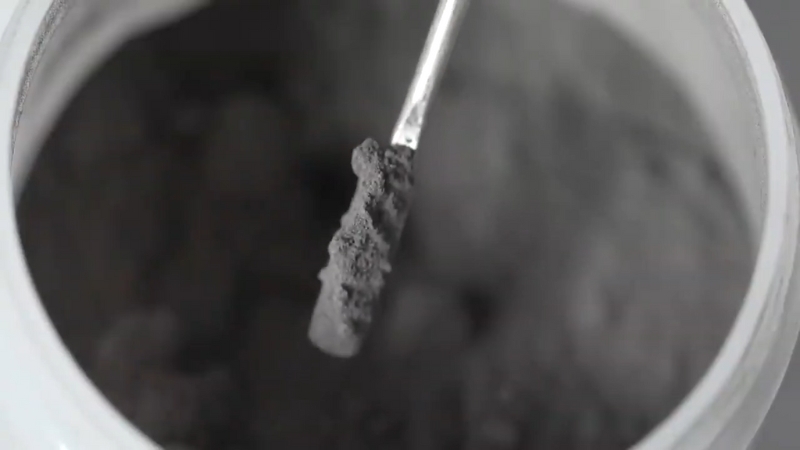
Coal ash is what remains after coal is burned, a mix of mineral leftovers once bonded within the carbon-rich fuel. For decades, the U.S. has stored hundreds of millions of tons of this ash, usually in landfills or holding ponds that have been the focus of major environmental concerns.
What surprised even me as I dug through the research is that coal ash contains four to ten times more rare earths than the coal it came from. Burning coal removes the combustible material and leaves behind the concentrated minerals.
It’s almost ironic, coal, the energy source blamed for pollution and climate damage, may turn out to be part of the solution for another major industrial challenge.
Scanlon’s team compiled data across multiple decades and concluded something striking:
As much as 11 million tons of rare earth elements may exist in U.S. coal ash deposits.
That is not a typo.
The material that many utilities have been paying to store could be worth more than some gold mines.
The Money Question: How Much Are We Really Talking About?
View this post on Instagram
The numbers from the University of Texas research are staggering:
- $56 billion from the lanthanide series alone
- up to $165 billion when including yttrium and scandium
- $97 billion in realistically recoverable elements with existing or near-future technology
If you’re thinking that this sounds almost too good to be true, you’re not alone. I had the same reaction. So I looked deeper at how researchers modeled the economics.
Here’s the catch: The values are based on current market prices and theoretical extraction efficiency, meaning this isn’t a simple “dig it up and sell it” scenario.
Commercial-scale extraction technology from coal ash is still in early development. Some promising chemical and physical methods exist, but scaling them to industrial levels is the next big hurdle.
Still, scientists argue that the hard part, mining the raw material, has already been done. The coal was burned decades ago. The ash is just sitting there.
That alone removes one of the highest costs of conventional rare-earth mining: tearing open the earth to reach mineral deposits.
Environmental Upside, A Rare Win-Win?
What I find most compelling in this research is the possibility of solving two problems at once:
- Reducing environmental hazards from old coal ash ponds and landfills
- Securing domestic rare earth supplies without opening new mines
Coal ash storage sites leak contaminants into groundwater, emit dust, and require constant monitoring. Turning them into resources rather than liabilities could fundamentally change cleanup economics.
Imagine a future where cleaning up coal ash sites pays for itself because companies extract valuable minerals in the process.
It may sound idealistic, and yes, the engineering challenges are huge, but it’s rare for environmental remediation and mineral supply chains to align so neatly.
The Skeptics: What Still Doesn’t Add Up
@technooptimist ⛏️ Friedberg went deep on why the US stopped mining rare earths: “There is so much nasty output from this process. You’re using very strong acids to do leaching. You do processing, you do extraction, refinement. All of the material kind of gets separated out from the rock and it’s dirty… But the technology hasn’t been deeply developed in 40 years. It’s still kind of 40 year old chemical engineering technology… There are techniques now that can be applied that can do this in a kind of scalable, safer way without any of the environmental hazards. But this is largely why this shifted over to China, is they didn’t have the sort of regulatory burdens that we have in the United States.” — David Friedberg on @theallinpod #davidfriedberg #allinpodcast #rareearths #china #technology ♬ original sound – The Techno Optimist
Not every expert is convinced we’re on the verge of a rare earth boom from coal ash. Several challenges stand out:
1. Extraction Technology Still Isn’t Commercially Ready
Lab tests show success. But industrial-scale processing is another world entirely.
2. Concentrations Are Still Relatively Low
Even if coal ash is richer in REEs than raw coal, it’s not as rich as natural ore deposits in places like China or Australia.
3. Unknown Regulatory and Economic Barriers
Coal ash is classified as a waste material. Turning it into a resource means navigating a messy regulatory landscape.
4. The U.S. Lacks Processing Infrastructure
Even if the REEs are recovered, the U.S. currently sends many rare-earth ores overseas, often to China, for processing. That defeats much of the purpose.
As one environmental engineer put it to me:
“It’s not enough to mine rare earths. You need to refine them, separate them, and manufacture them, and the U.S. hasn’t built those systems in decades.”
Beyond Coal Ash: Other Unconventional Sources Are Emerging
The idea of “mining the waste” is gaining momentum. Coal ash is just the headline.
Scientists have recently explored:
- old volcanic deposits (especially iron-rich extinct volcanoes)
- phytomining, where plants absorb rare earths from soil
- deep ocean sediments, though this raises major ecological concerns
- reduced waste from aluminum processing, another material surprisingly rich in REEs
To me, the coal ash story fits into a broader shift in science: researchers are rethinking what we consider “waste.” If the next generation of renewable technologies depends on rare earths, then finding environmentally friendly extraction sources is not optional; it’s necessary.
So, What Happens Next?
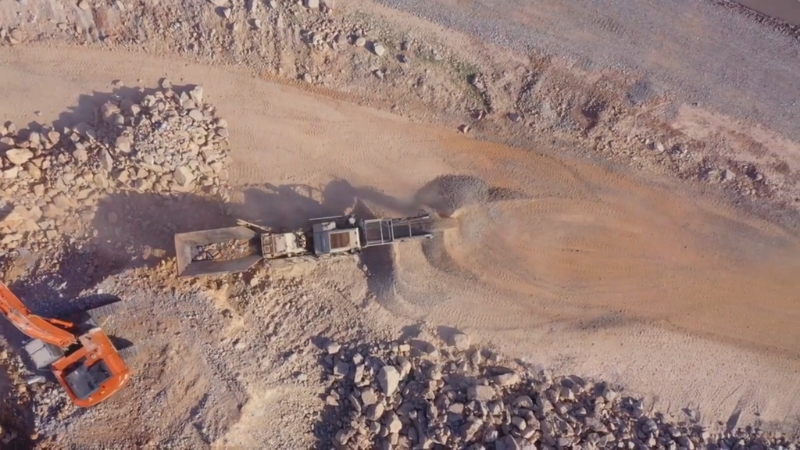
The UT Austin team’s findings don’t guarantee a rare-earth future built on coal ash. But they do open the door to something the U.S. desperately needs: a realistic path toward mineral independence.
What excites me most is the possibility that this research forces policymakers to rethink long-ignored waste sites. It’s not often you see a scenario where cleaning up legacy pollution could directly fuel the technologies of the future.
From electric car motors to wind turbines to national security systems, rare earths sit at the heart of modern power, and right now, the U.S. relies heavily on geopolitical rivals to access them.
If even a portion of that $97 billion in coal-ash minerals becomes recoverable, it could shift the balance.
But as with most promising scientific discoveries, the difference between theory and reality is measured in engineering breakthroughs, political will, and long-term investment.