

A small molecule produced by gut bacteria may become a powerful new tool in preventing type 2 diabetes, according to new research from Imperial College London.
The compound, trimethylamine (TMA), long associated with cardiovascular concerns, now appears to protect the body from inflammation and insulin resistance triggered by high-fat diets.
As someone who has watched microbiome science evolve for years, I rarely see a study that reframes a familiar molecule this dramatically. But this one does.
Why This Study Is Getting So Much Attention
The research, published in Nature Metabolism, found that TMA improves insulin response and reduces harmful inflammation in both mice and human cell models. That inflammation, normally triggered by high-fat diets, is one of the earliest steps toward metabolic disease.
This directly challenges the long-standing belief that TMA is primarily a risk factor, not a protector.
Marc-Emmanuel Dumas, who led the study, summed it up:
“This flips the narrative. A molecule from our gut microbes can actually protect against the harmful effects of a poor diet.”
How TMA Works Inside the Body
Using a large series of metabolic experiments, the researchers discovered that TMA inhibits IRAK4, a key immune protein that normally triggers inflammation when the body detects a high-fat environment.
This matters because:
- Inflammation is tightly linked to insulin resistance
- Insulin resistance is the gateway to type 2 diabetes
- Blocking that pathway could delay or prevent disease development
The team also increased TMA levels by supplementing high-fat diets with choline, a nutrient found in eggs and meat. The result: reduced metabolic damage and improved biological markers.
For readers who follow the microbiome field, this is part of a larger trend, the idea that microbial molecules may influence the same biological pathways that drug developers have targeted for decades.
Why It’s Relevant Right Now
View this post on Instagram
More than 540 million adults worldwide are living with type 2 diabetes, and the number continues to rise sharply in countries adopting Western food patterns.
Peter Liu, a cardiologist and collaborator on the study, explains the urgency:
“Diabetes is a known risk factor for heart disease. A new solution is direly needed.”
The idea that a simple molecule produced by gut bacteria might help interrupt the diet–inflammation–diabetes chain could reshape prevention strategies, especially in populations at high risk.
From my own perspective, this research pushes us into a more realistic view of gut chemistry: not good or bad, but context-dependent and more intertwined with immune signaling than we once believed.
A New Direction for Microbiome-Based Treatments
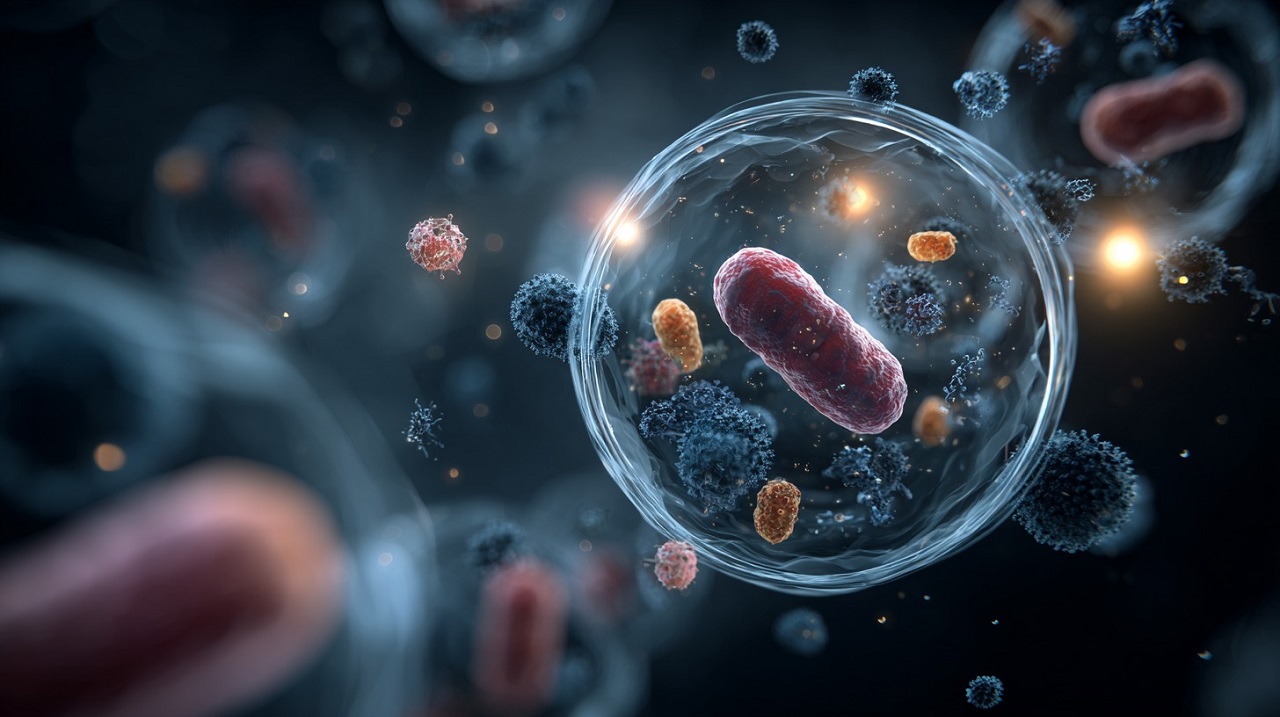
One of the biggest breakthroughs from this study is the connection between microbiome molecules and kinases, cellular switches that control major biological processes.
If the gut can regulate these switches naturally, future treatments might use microbiome-inspired compounds to target metabolic disease with precision.
Dumas calls this a new way of thinking about health:
“Our work opens exciting possibilities with kinases as new targets accessible by microbiome-based interventions.”
This aligns with a growing biotech trend: post-biotic therapies, where purified microbial molecules become the active treatment rather than the bacteria themselves.
What Comes Next
The findings are early but compelling. To know whether TMA can truly help prevent diabetes in humans, researchers will need:
- Long-term clinical trials
- Clear understanding of dosage and timing
- Safety data, especially regarding the molecule’s relationship to cardiovascular risk
- Profiling of which bacterial species produce the most TMA
But the discovery is important for one more reason: it shows just how powerfully gut bacteria can influence the immune system, metabolic pathways, and long-term health.
Bottom Line
A molecule your gut bacteria already produce may help protect you from the early biological triggers of type 2 diabetes.
The discovery challenges old assumptions, opens new medical possibilities, and reinforces one growing truth: the microbiome is shaping human health in ways we’re only beginning to understand.