
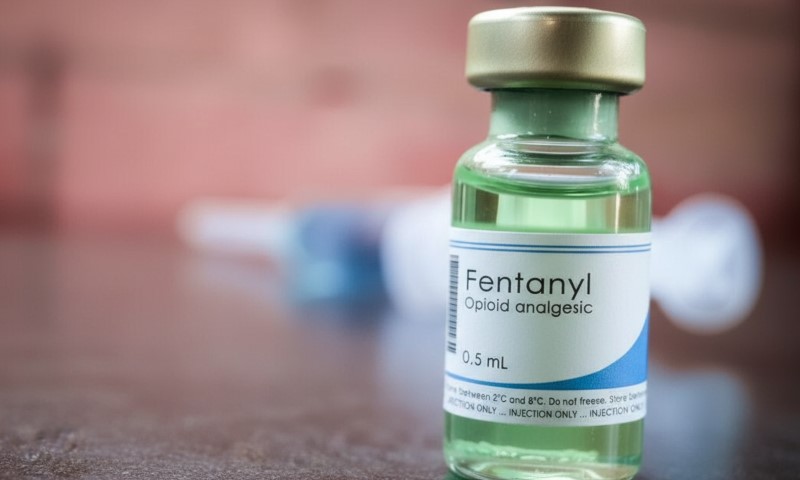
As the United States moves toward 2026, the fentanyl crisis is no longer accelerating at the pace seen earlier in the decade, but it remains the deadliest drug epidemic in modern U.S. history.
After peaking at more than 108,000 overdose deaths in 2022, national mortality declined to approximately 103,000 deaths in 2023 and fell further in provisional 2024 data to under 100,000 deaths, according to the Centers for Disease Control and Prevention.
Synthetic opioids, primarily illicit fentanyl, continue to drive roughly three out of every four overdose fatalities, making fentanyl the single most lethal substance ever to circulate in the U.S. drug supply.
This marks the first sustained national decline in opioid overdose deaths since 2018, signaling that expanded naloxone access, faster treatment initiation, and harm-reduction strategies are beginning to blunt fentanyl’s impact.
Fentanyl’s Central Role in the Modern Overdose Crisis
Synthetic opioids, primarily fentanyl and its analogs, now dominate the U.S. overdose landscape. Unlike earlier phases of the opioid epidemic driven by prescription painkillers or heroin, fentanyl’s extreme potency has altered risk dynamics entirely. A few milligrams can be fatal, and inconsistent dosing in illicit drug markets means users often have no reliable way to gauge exposure.
According to data from the Centers for Disease Control and Prevention, synthetic opioids were involved in roughly 68 percent of all drug overdose deaths in the United States by 2022. That share has remained largely unchanged through 2024, even as total deaths have begun to edge downward.
National Overdose Trends (All Drugs vs Synthetic Opioids)
*Provisional estimates based on CDC and state reporting.
The key development here is not fentanyl’s disappearance, but a flattening and early reversal of mortality curves that had previously climbed year after year.
Why Deaths Are Declining, Even Modestly
Addressing the fentanyl crisis in the U.S. and the surge of synthetic drugs globally is a challenge that demands a strong and coordinated global response. The U.S. is working with PRC counterparts to stop the illicit flow of precursor chemicals fueling this crisis. pic.twitter.com/OGx33jceYT
— Department of State (@StateDept) January 31, 2024
Experts generally agree that no single intervention explains the downturn. Instead, the decline appears to result from multiple overlapping factors that reached a meaningful scale at the same time.
Expanded Naloxone Availability
Naloxone distribution has expanded dramatically since 2021. Over-the-counter availability, wider first-responder deployment, and community-based distribution programs mean overdoses are more likely to be reversed before becoming fatal.
Emergency medical services data show increased survival rates following overdose calls, even though call volumes remain high.
Faster Linkage to Treatment After Overdose
Hospitals and emergency departments increasingly initiate medication-assisted treatment immediately after overdose events rather than referring patients to delayed outpatient care. This shift reduces the high-risk window following discharge, when repeat overdose risk is greatest.
Changes in Drug Use Behavior
Ethnographic and toxicology studies suggest some users are actively modifying behavior due to fentanyl awareness. These changes include test strip use, avoiding solitary use, and lower dose experimentation. These adaptations do not eliminate risk but may reduce lethality.
Supply Enforcement Has Increased, With Mixed Results
 You will find more infographics at Statista
Federal enforcement agencies have intensified fentanyl interdiction efforts, particularly at ports of entry and along the southern border. U.S. Customs and Border Protection reported record fentanyl seizures in 2023 and 2024, measured in millions of potentially lethal doses.
Fentanyl Seizures at U.S. Borders
While these numbers reflect enforcement intensity, they do not directly correlate with reduced availability. Trafficking networks adapt rapidly, sourcing precursor chemicals through alternative channels and modifying routes. Most researchers now agree that supply suppression alone cannot drive sustained mortality declines without parallel demand-side interventions.
Treatment Access Has Expanded, But Gaps Remain
One of the most consequential shifts heading into 2026 is the gradual normalization of medication-based treatment for opioid use disorder. Regulatory barriers around buprenorphine prescribing were eased, and emergency settings increasingly act as treatment entry points rather than endpoints.
However, access remains uneven geographically and socially. Rural areas, low-income urban neighborhoods, and communities of color continue to face shortages of providers and long wait times.
In this context, traditional opioid treatment programs still play a central role. For many individuals with long-term fentanyl exposure or repeated treatment failure, structured programs such as a methadone clinic remain one of the most effective stabilization tools. Methadone’s long half-life and supervised dosing model provide a level of pharmacological consistency that is often necessary for patients with high tolerance and unstable living conditions.
Comparison of Medication Options for Opioid Use Disorder
The challenge moving into 2026 is not proving efficacy, but scaling access while maintaining continuity of care.
Medical Innovation: Prevention Beyond Reversal
One of the most closely watched developments entering 2026 is the start of early-phase human trials for a fentanyl vaccine. The goal of this research is not to treat addiction directly, but to reduce overdose risk by preventing fentanyl from crossing the blood-brain barrier.
If successful, such a vaccine could function as a pharmacological safety net, particularly for individuals at high relapse risk. However, experts caution that widespread availability remains years away and should not be viewed as a near-term solution.
Persistent Risks Heading Into 2026

Despite encouraging trends, the fentanyl crisis remains deeply unstable.
Absolute Death Counts Remain Historically High
Even with recent declines, annual overdose deaths remain multiple times higher than pre-2010 levels. The U.S. continues to experience a mortality burden unmatched by peer nations.
Geographic Disparities Are Widening
Some states and counties show clear improvement, while others continue to report rising deaths. These disparities often correlate with treatment availability, housing instability, incarceration rates, and local policy choices.
Funding Uncertainty Threatens Progress
Many harm-reduction and treatment programs rely on temporary federal funding streams established during public health emergencies. Without sustained investment, early gains could reverse quickly.
Bottom line
The fentanyl crisis enters 2026 no longer in free fall, but still at historically lethal levels. After peaking at more than 108,000 overdose deaths in 2022, U.S. mortality fell to under 100,000 in provisional 2024 data, marking the first sustained national decline since 2018.
This reduction shows that naloxone saturation, faster treatment initiation, and medication-based care can meaningfully reduce deaths when applied at scale.
However, fentanyl still accounts for roughly three-quarters of overdose fatalities, the drug supply remains heavily contaminated, and access to treatment is uneven across regions. The evidence heading into 2026 points to real progress, but not resolution.