

More than 22 million Americans over 65 are now growing old without a spouse, partner, or adult children, and rising costs are turning what was once independence into financial fragility.
This group, often called solo-agers, represents one of the fastest-growing and least discussed demographics in the U.S. economy.
They live alone, manage expenses on a single income, and lack the built-in safety net that married couples or families provide.
As inflation reshapes housing, health care, and daily living costs, their margin for error is shrinking fast.
A Quiet Demographic Shift Decades in the Making
Older Americans who live alone tend to fare worse than those who live with others – from their wellbeing to material hardship to overall longevity. 26% of U.S. adults ages 65+ lived alone in 2023, the most recent year with available data. https://t.co/LFlDNsuqV8
— Pew Research Center (@pewresearch) December 4, 2025
In 1950, only about 1 in 10 Americans over 65 lived alone. Today, that figure has nearly tripled.
Roughly 28% of seniors now live by themselves, according to health policy researchers, reflecting long-term changes in marriage, divorce, and family structure.
Lower marriage rates, higher rates of late-life divorce, and a growing share of adults who never had children mean that aging without family support is no longer an exception. It is becoming normal.
Women are especially affected. Because they live longer on average and are more likely to outlive spouses, 43% of women over 75 live alone, compared with 21% of men.
Many also enter retirement with smaller savings due to lifetime wage gaps or years spent caregiving.
The “Singles Tax” of Retirement

Living alone carries a built-in financial penalty. Economists sometimes call it the singles tax, the reality that one person pays nearly the same fixed costs as two.
A couple shares rent or a mortgage, utilities, internet service, and often transportation. A solo-ager pays full price for all of it, with no second income to absorb shocks. That makes retirement significantly more expensive on a per-person basis.
As a result, solo retirees often need substantially higher savings than couples to maintain the same standard of living. Yet many retire with fewer assets, not more.
Housing and Health Care Are the Breaking Points
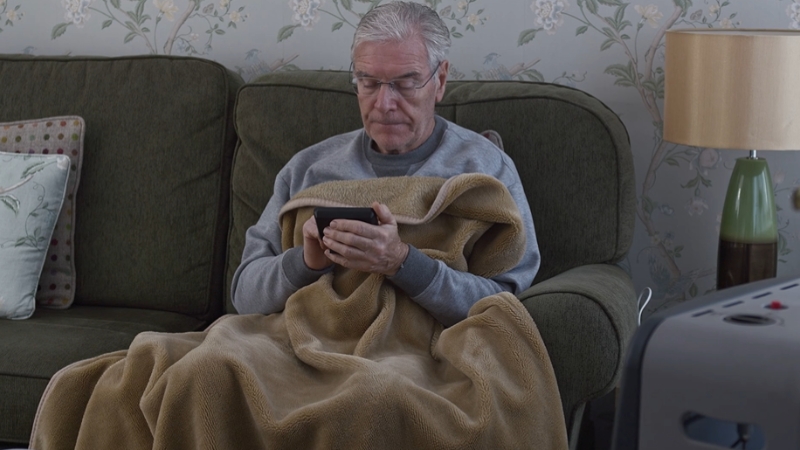
Housing is the single largest expense for most retirees, and it is where many solo-agers struggle first.
Rising rents, property taxes, insurance premiums, and maintenance costs can overwhelm a fixed income, especially in cities where seniors have lived for decades and do not want to relocate.
Health care presents an even greater risk. Without a spouse to provide unpaid care, solo-agers are more likely to rely on paid services sooner.
Recent national data show that average annual costs now approach:
Those costs have risen nearly 10% in just two years. Medicaid covers less than half of long-term institutional care, and upcoming federal spending cuts could reduce that support further.
Why Many Solo-Agers Don’t Plan Until It’s Too Late
Despite the risks, many older adults aging alone delay planning. Legal documents, long-term care strategies, and downsizing decisions often remain unfinished until a health crisis forces action.
Traditional retirement aadvicesuch as replacing 70–80% of income or following the 4% withdrawal rule, often falls short for solo-agers. Without a partner’s Social Security check, pension, or unpaid labor, their financial threshold is higher.
Tasks that spouses or children commonly handle for free, such as ng, shopping, home repairs, and care coordination, must be paid for out of pocket.
Independence Comes With a Price
View this post on Instagram
Aging alone is not inherently negative. Many solo-agers value autonomy, freedom, and control over their lives. But independence in old age now comes with higher costs, greater risk, and heavier planning demands.
With more than 22 million Americans already in this position, solo-aging is no longer a niche issue. It is a structural challenge tied directly to inflation, housing policy, health care costs, and the changing shape of American families.
The numbers make one thing clear: growing old alone is becoming more common and far more expensive than most people realize.