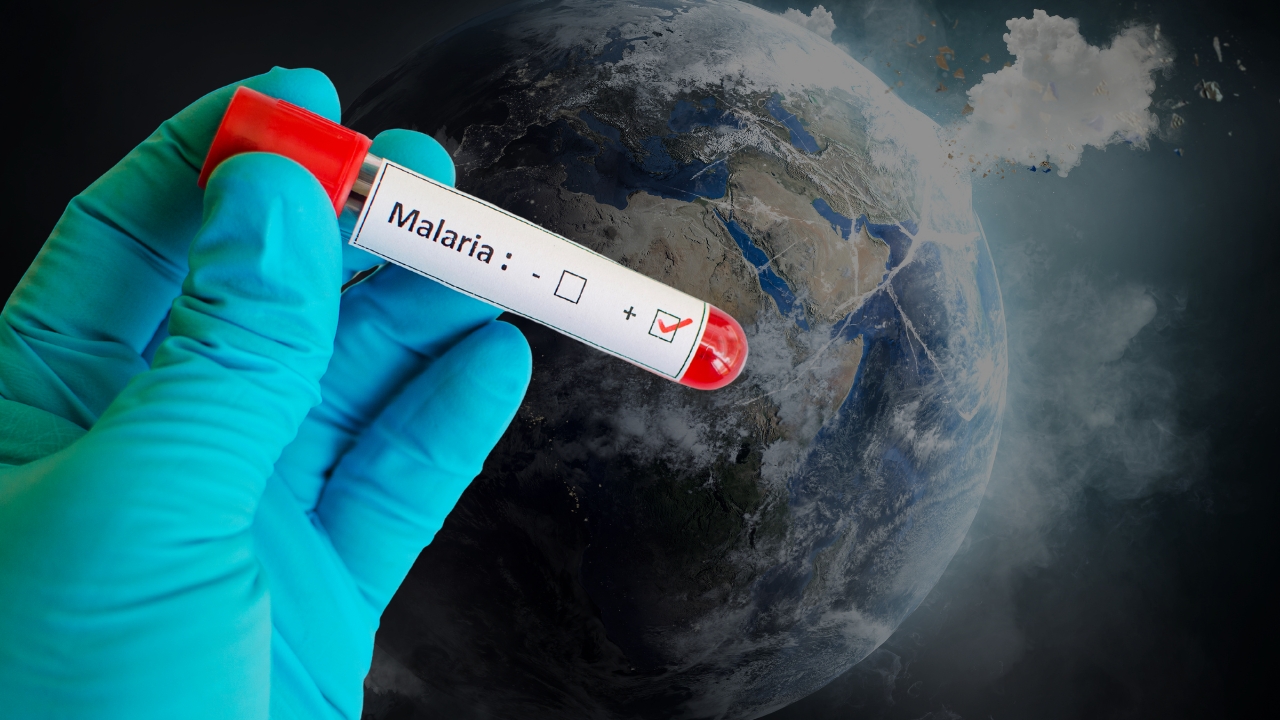
Climate change could lead to more than half a million additional malaria deaths in Africa over the next 25 years, according to a major new study that warns the disease is being accelerated not just by rising temperatures, but by collapsing health systems during extreme weather.
The research, published in Nature, estimates that climate change could trigger 123 million extra malaria cases across Africa by 2050, even if the world meets its current climate commitments.
What makes the findings especially alarming is where most of the damage comes from. The study shows that extreme weather disruptions, not heat alone, will be responsible for the vast majority of new infections and deaths.
Why Extreme Weather Is The Biggest Threat
The researchers found that 79 percent of the increased malaria transmission risk and 93 percent of additional deaths are linked to climate-driven disruptions such as floods, cyclones, and severe storms.
These events do far more than create mosquito breeding sites. They damage homes, destroy mosquito nets, wash away roads, interrupt drug supply chains, and prevent people from reaching clinics. When treatment and prevention break down, malaria spreads faster and becomes far deadlier.
By comparison, the direct ecological effects of climate change, such as warmer temperatures expanding mosquito habitats, contribute only a small fraction of the projected rise in cases.
The authors argue that many previous studies underestimate malaria risk because they focus too narrowly on mosquito biology while overlooking how fragile health systems already are across much of Africa.
Africa Already Carries The Global Malaria Burden
Malaria killed around 610,000 people in 2024, mostly young children in sub-Saharan Africa, the World Health Organization said on Thursday, warning of the risks of rising drug resistance, climate change and funding cuts. https://t.co/n9BMc3xONd
— Reuters Africa (@ReutersAfrica) December 4, 2025
Malaria remains one of the world’s deadliest infectious diseases. The World Health Organization estimates that 610,000 people died from malaria in 2024, with Africa accounting for 95 percent of all cases and deaths.
Children under five are the most vulnerable, making up around three-quarters of malaria deaths on the continent. For many families, malaria is not an abstract risk but a constant, life-threatening reality.
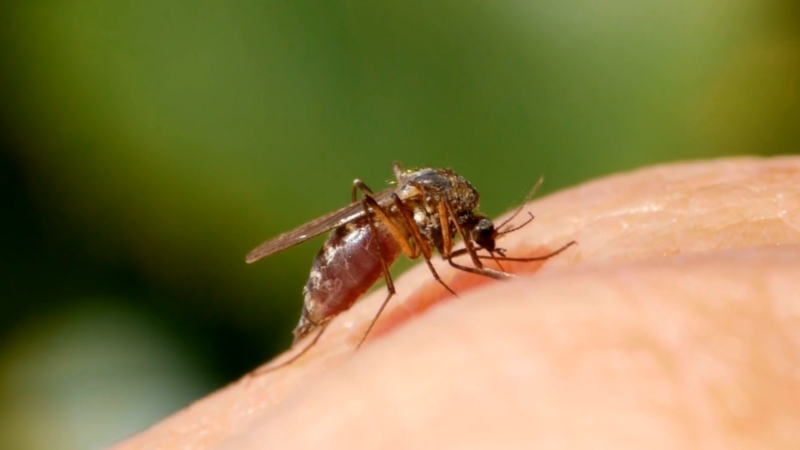
Malaria is spread by mosquitoes that thrive in warm conditions and need stagnant water to breed. This makes the disease highly sensitive to climate, particularly temperature, humidity, and rainfall patterns.
What Previous Models Have Missed
The study was led by researchers from Curtin University and the Malaria Atlas Project at The Kids Research Institute in Australia.
Using more than two decades of climate data alongside mosquito population records and malaria infection rates in children, the team built detailed models of how malaria risk responds to both climate change and system disruption.
They compared future projections under current climate pledges with a hypothetical scenario where global temperatures remain stable. The results showed that warming alone causes only a modest overall increase in malaria cases, about 0.12 percent by 2050.
But that average hides sharp regional shifts, and it collapses once healthcare disruption is factored in.
Floods and Cyclones Break Malaria Defences
Extreme weather has long been associated with malaria spikes. Floods and heavy rainfall leave pools of standing water where mosquitoes breed. After Cyclone Idai struck Mozambique in 2019, nearly 15,000 malaria cases were reported soon after.
The new research shows the indirect effects are even more dangerous. Storms and floods often destroy housing, leaving families without protection. Clinics may be damaged or cut off.
Preventive measures such as mosquito nets and spraying campaigns are delayed or abandoned.
Climate models used in the study suggest stronger cyclones in the Indian Ocean, with fewer moderate storms but more intense category-five events. Flooding is also expected to increase across large parts of Africa.
As a result, the researchers estimate that 67 percent of people in Africa will face a higher risk of malaria by mid-century due to climate change.
Where Malaria Risk Will Rise And Fall
View this post on Instagram
Most of the additional malaria cases are expected to occur in regions already suitable for transmission, rather than in entirely new areas.
However, warming temperatures are projected to increase malaria risk in places that are currently too cool for mosquitoes. These include parts of southern Africa such as Angola, the southern Democratic Republic of Congo, and Zambia, as well as highland regions in Ethiopia, Kenya, Rwanda, Burundi, and the eastern DRC.
At the same time, some areas of the Sahel may see malaria transmission decline as temperatures rise beyond the optimal range for mosquito survival.
Overall, though, the disruptive effects of climate change push malaria risk upward across most of the continent, outweighing reductions in a handful of regions.
A Preventable Public Health Disaster
If malaria mortality rates remain unchanged, the projected rise in cases could lead to around 532,000 additional deaths over the next 25 years, the authors warn.
They stress that this outcome is not inevitable. Eradicating malaria would be one of the greatest public health achievements in history, but doing so in a warming world requires a shift toward climate-resilient malaria control.
That includes strengthening healthcare infrastructure, protecting supply chains, stockpiling treatments ahead of extreme weather, integrating malaria response into disaster planning, and improving early warning systems for floods and cyclones.
Why These Findings Matter Now
Dr Adugna Woyessa of the Ethiopian Public Health Institute, who was not involved in the study, said the findings could help guide national malaria programmes and identify gaps where better local data is needed.
The study authors say many policymakers across Africa are already grappling with how to build malaria systems that can withstand climate shocks. Their conclusion is stark: without resilient healthcare and prevention systems, climate change risks undoing decades of progress against malaria.