

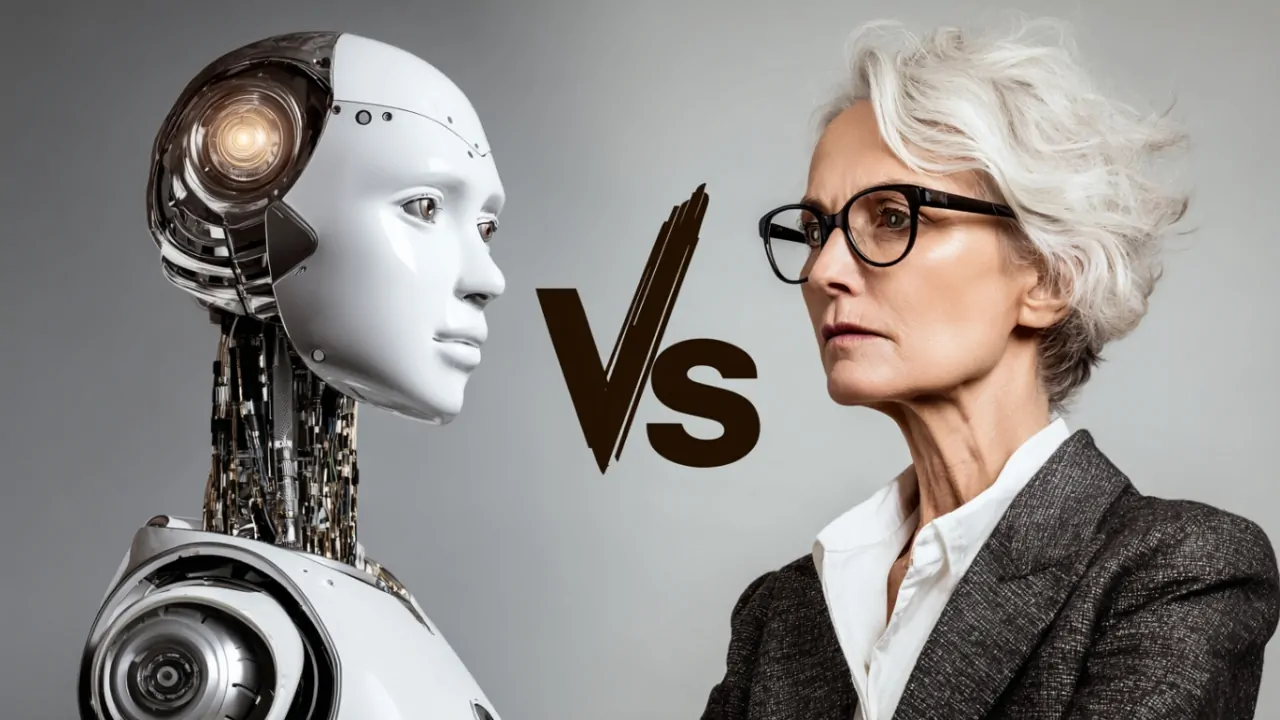
A striking new data point from a 2026 workplace study reveals just how deep generational tensions have become inside U.S. companies. Thirty-nine percent of Gen Z employees say they would rather be managed by artificial intelligence than by a Baby Boomer manager.
The finding comes from a nationwide survey published January 27, 2026, based on responses from 2,000 U.S. employees in revenue-generating roles. The research was conducted by Clari and Salesloft, in partnership with independent research firm Workplace Intelligence.
Table of Contents
ToggleAI is becoming a Preferred Manager
For many Gen Z workers, AI represents consistency, speed, and clarity rather than hierarchy or authority. The study suggests that younger employees increasingly view AI as more objective, less emotionally charged, and better aligned with results than traditional management styles associated with older generations.
This preference does not reflect enthusiasm for automation alone. It signals frustration with leadership approaches that Gen Z associates with resistance to new technology, rigid communication styles, and an emphasis on hours worked rather than outcomes delivered.
The Divide Works Both Ways
The discomfort is not limited to younger workers. According to the same study, 25 percent of Baby Boomers say they would prefer working with AI over collaborating with Gen Z colleagues.
Many older employees report feeling that Gen Z’s tech-first mindset prioritizes speed and automation at the expense of customer relationships and professional judgment.
This mutual distrust is reshaping how teams function, especially in sales and revenue roles where collaboration, communication, and adaptability directly affect performance.
Generational Tension is Already Changing Career Decisions
The research shows that frustration is translating into real workforce movement.
Twenty-eight percent of Gen Z respondents say they are actively looking for a new job to avoid working with Baby Boomers, while 19 percent of Baby Boomers report plans to retire earlier than expected due to ongoing friction with Gen Z coworkers.
What once appeared to be a cultural disagreement is now influencing hiring, retention, and long-term workforce stability.
Performance Data Challenges Long-held Assumptions
Despite skepticism from older generations, the data suggests younger employees may be gaining a measurable edge. Eighty-eight percent of Gen Z respondents say they often or always hit their revenue targets, compared with 78 percent of Baby Boomers.
The findings challenge the assumption that longer hours or traditional workflows consistently produce better results.
Researchers note that Gen Z’s heavier use of AI tools appears to play a role, allowing them to move faster and manage workload more efficiently.
AI Could BridgeThe Gap, But Only if Adoption is Intentional
@mparekh1 A Gen Z/Boomer discussion on OpenAI’s Sam Altman on “General Differences in AI Use”. #AI @openai ♬ original sound – Michael Parekh
Employees across all age groups agree on one point. AI has the potential to reduce friction, improve knowledge sharing, and strengthen communication across generations.
However, nearly two-thirds of respondents admit they are not using the full capabilities of the AI tools already available to them.
The study concludes that without structured, inclusive AI adoption strategies, technology will continue to amplify generational divides instead of resolving them.
What the 39 percent figure ultimately reflects is not a desire to replace human leadership, but a growing belief among younger workers that fairness, clarity, and performance matter more than hierarchy.
Whether organizations respond to that signal may determine how costly this generational conflict becomes in the years ahead.
Related Posts:
- What the Latest Reports Say About Stress in America
- Gen Z First Ever to Show Lower IQ Than Previous…
- The Digital Fatigue Crisis - 2026 Statistical Trends…
- Most Gen Z Workers Cannot Afford to Live Alone, New…
- Suicide Rising Among Gen Z - New Data Shows Young…
- Gen Z Spends 266 Dollars A Day Camping, On Average -…