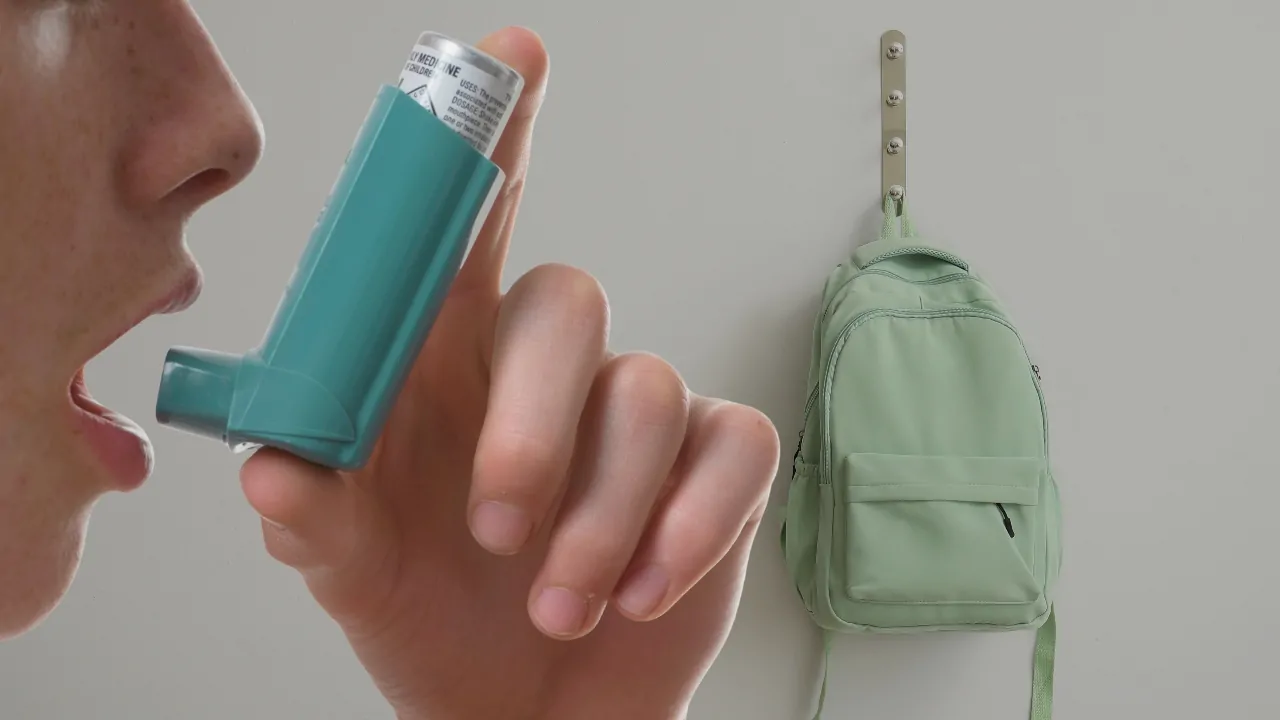
Dust, allergens, heavy books, food residues, and emotional stress can all hide inside a school backpack, and for children with asthma, they may quietly worsen symptoms.
Asthma affects roughly one in twelve school-age children and remains one of the leading reasons for school absences. When symptoms are not well controlled, children often struggle academically and physically.
What many parents overlook is that the school backpack itself can become a carrier of asthma triggers, transporting allergens and irritants from home to school and back again.
Backpacks frequently accumulate dust, moisture, food crumbs, pet hair, mold spores, and chemical residues from school supplies. This micro-environment can provoke coughing, shortness of breath, and wheezing in sensitive children.
Pediatric pulmonologist Dr. Allen Dozor notes that identifying triggers often requires observation: if symptoms appear repeatedly after exposure to the same factor, it is likely a cause worth addressing.
9 Hidden Asthma Triggers Inside School Backpacks
1. Dust Mites
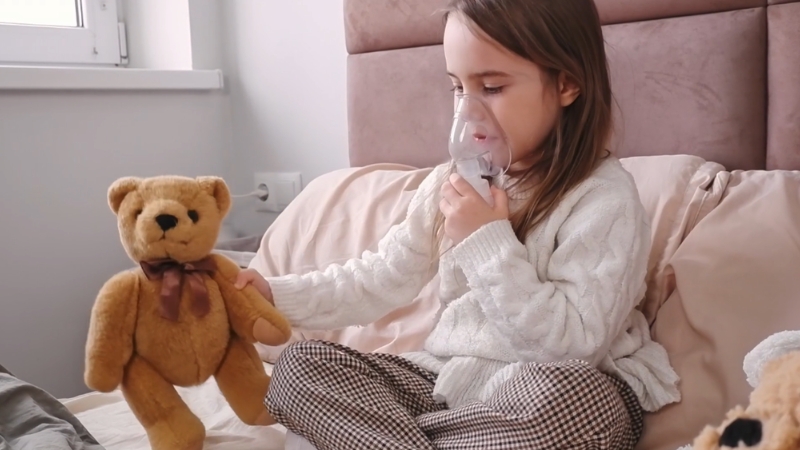
Dust mites feed on dead skin cells and thrive in fabrics. They are invisible but commonly found in textiles, including backpack linings.
Some children react strongly, developing respiratory symptoms according to NCBI. Regular washing of backpacks and choosing smooth, easy-to-wipe materials can reduce exposure.
2. Pet Hair and Dander
Cats, dogs, rabbits, birds, and other pets shed microscopic particles that cling easily to clothing and bags. Backpacks can unknowingly transport these allergens to school.
Keeping bags away from pets and washing them frequently helps lower rithe sk.
3. Cockroach Allergens
Cockroach allergens from droppings, saliva, and shed skin can float through indoor air and trigger asthma or allergies, especially in children and people in urban homes. Studies from the CDC and EPA confirm that many homes contain measurable cockroach allergen levels, though… pic.twitter.com/kizuWpepEb
— Interesting Engineering (@IntEngineering) November 15, 2025
Proteins from cockroach droppings, saliva, and shed skins can trigger asthma. These allergens exist even in clean environments.
Preventive measures include good hygiene, removing food remnants, and pest control when necessary.
4. Strong Fragrances and Chemicals
Perfumed cleaning products, scented markers, glue, sanitizers, and lotions may provoke asthma attacks. Using fragrance-free cleaning products and avoiding strongly scented school supplies can reduce irritation.
5. Pollen and Mold
Pollen easily sticks to fabrics outdoors, while moisture inside backpacks can encourage mold growth. Regular cleaning, shaking out bags, wiping interiors, and fully air-drying backpacks can help control these triggers.
6. Dried Fruit and Sulfite Preservatives
View this post on Instagram
Some dried fruits contain sulfites used as preservatives, which may provoke symptoms in sensitive children. Teaching children to read labels and packing snacks in sealed containers reduces accidental exposure.
7. Processed Lunch Foods
Processed meats such as hot dogs or deli meats often contain additives, artificial sweeteners, or preservatives that may aggravate asthma in some individuals.
A 2019 study involving over 35,000 adults suggested higher intake of processed meat was associated with worse asthma symptoms, although further research is still needed.
8. Over-the-Counter Medications
Certain common pain relievers, including aspirin, ibuprofen, and naproxen, can worsen asthma symptoms in some children.
Physicians sometimes recommend acetaminophen instead, but any medication decision should involve a healthcare professional.
9. Stress, Heavy Loads, and Academic Pressure
@lalungdoctor The truth about asthma 😮💨 and emotional stress 🫠 #asthmaawarenessmonth – – – – – Disclaimer: The opinions expressed in these videos are solely my own and should not be construed as medical advice. Please consult with your healthcare provider for any questions or concerns regarding your treatment. #fypシ゚viral #viral #fyp ♬ Summer Sun – Andrew Jordan
Emotional stress, demanding schoolwork, and even the physical strain of carrying heavy backpacks can trigger asthma symptoms.
In some cases, doctors treat heavy carrying as a form of exertion and recommend preventive inhaler use. Schools may also help by providing duplicate textbooks or locker storage.
Practical Steps to Reduce Risk
Parents and caregivers can lower asthma triggers linked to school backpacks by:
Tracking what a child eats, touches, or carries before symptoms appear can help identify specific triggers.
When to Seek Medical Advice
Most asthma symptoms linked to environmental triggers improve once exposure is reduced. However, persistent breathing problems, frequent wheezing, or repeated attacks require medical evaluation.
Proper asthma management plans, including medication adjustments and environmental control, significantly improve daily functioning and school performance.
Key Takeaway
School backpacks can unintentionally carry allergens, chemicals, food residues, and stress-related triggers that worsen asthma in children.
Regular cleaning, mindful packing, and awareness of environmental factors can significantly reduce risks and help children breathe easier throughout the school day.