

For decades, police patrol work has been treated as one of America’s most dangerous jobs. Movies, headlines, and political rhetoric reinforce the idea that policing sits at the top of occupational risk.
But the most recent federal workplace fatality data tells a different story, one grounded not in perception, but in numbers.
According to the latest complete release from the U.S. Bureau of Labor Statistics, sanitation workers are significantly more likely to die on the job than police patrol officers.
This conclusion is not based on anecdotes or isolated years. It is supported by consistent fatality-rate data across multiple reporting cycles.
The National Baseline: How Dangerous Work Is Overall
#USDOL #OSHA #LABOR #DONALDTRUMP #ELONMUSK #HELENMACDOUGALL
Filips, Steve ‘U.S. Labor Department Reports 5,283 Work-Related Deaths in 2023 as Trump Prepares to Slash Safety Oversight’ Wsws, 24 Dec 2024 https://t.co/F4jOgdjBBG“According to the U.S. Department news release last…
— KWSnet (@KWSnet) December 24, 2024
In 2023, the most recent year with finalized federal data:
- 5,283 U.S. workers died from work-related injuries
- The overall fatal injury rate was 3.5 deaths per 100,000 full-time equivalent workers
This figure represents the average risk across all occupations, from office jobs to heavy industry. Any occupation well above this line is statistically dangerous. Some are far above it.
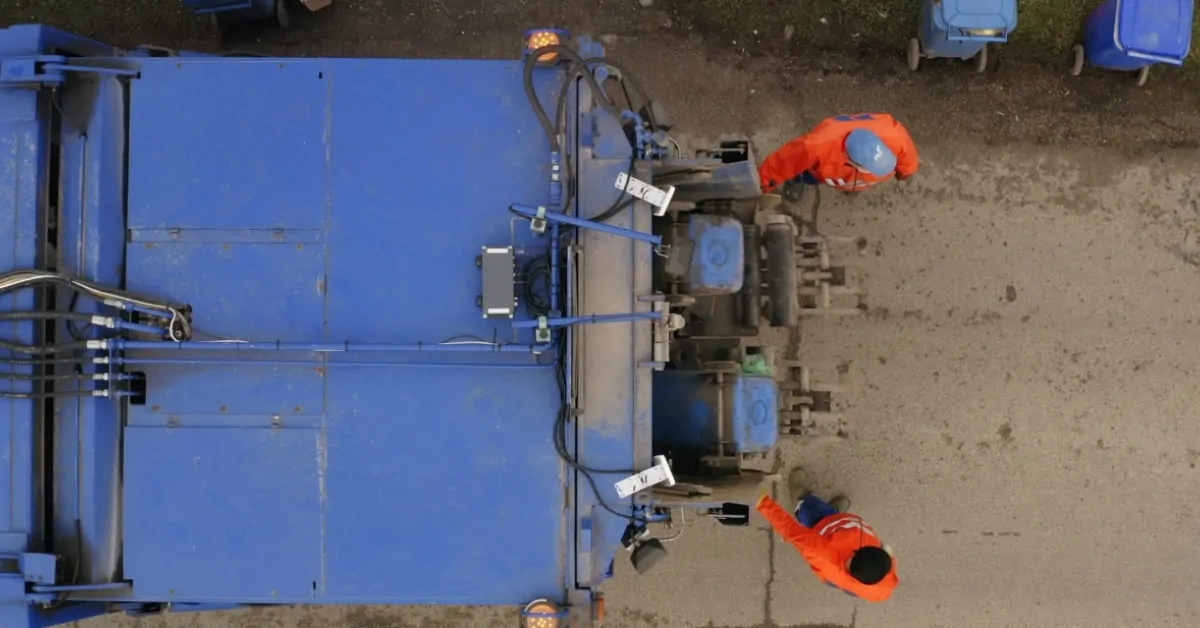
Garbage Collectors: One Of The Deadliest Jobs In America
Refuse and recyclable material collectors consistently rank near the top of the fatality tables.
Based on the BLS Census of Fatal Occupational Injuries data:
- Fatality rate: approximately 40–42 deaths per 100,000 workers
- Relative risk: about 12 times higher than the average U.S. worker
- Primary causes of death: transportation incidents, struck-by events, vehicle rollovers
This places garbage collection among the most dangerous civilian occupations in the country, alongside logging, fishing, and certain extraction jobs.
The risk is structural. Sanitation workers spend most of their shifts:
- Operating heavy vehicles in traffic
- Riding on external truck steps
- Working before sunrise or in low visibility
- Repeatedly entering and exiting moving vehicles
Transportation incidents remain the leading cause of workplace deaths nationwide, and garbage collection is saturated with that exposure.
Police Patrol Officers: Elevated Risk, But Lower Than Many Assume
View this post on Instagram
Police patrol officers fall under the broader protective service occupations category in BLS reporting.
For 2023, protective service workers recorded:
- Fatality rate: approximately 8–9 deaths per 100,000 workers
- Relative risk: about 2.5 times higher than the national average
This confirms that policing is dangerous compared to most jobs. But it also shows that police officers face less than one-quarter of the fatal risk faced by garbage collectors, when measured strictly by on-the-job death rates.
This pattern is not new. Multi-year averages going back more than a decade show similar results, with police patrol fatality rates typically ranging between 13 and 16 per 100,000 in earlier years, still well below refuse collection.
Why The Public Gets This Comparison Wrong
The difference is visibility, not danger.
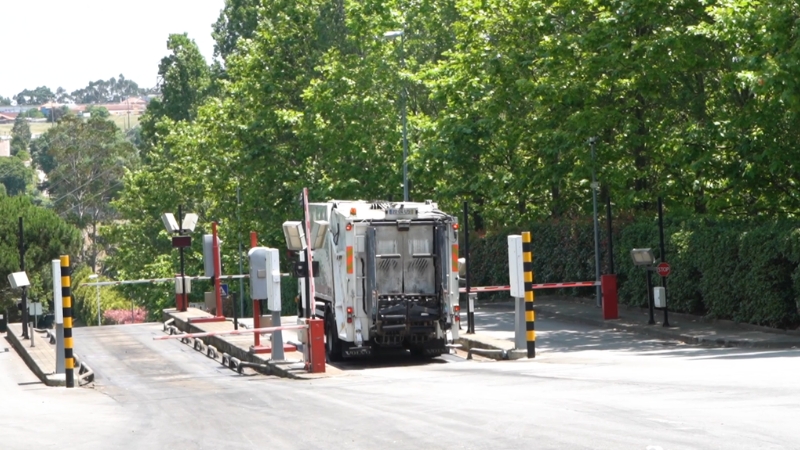
Police deaths are highly publicized, often violent, and politically charged. Sanitation worker deaths are typically accidental, fragmented across local news reports, and rarely become national stories.
From a statistical standpoint:
- Policing deaths are episodic
- Sanitation deaths are routine
The latter produces fewer headlines but higher cumulative risk.
Transportation Is The Silent Killer Across Occupations
@salarytransparentstreet What are the 10 most dangerous jobs!l? In this episode of @twocents.sts, we’re counting down the top 10 most dangerous jobs in America, ranked by mortality rate and median pay. From logging to garbage collecting, commercial fishing to construction, we’re breaking down which jobs carry the highest risk, and asking the hard questions: 💸 Are these workers compensated fairly for the danger they face? 🚹 Why do men dominate most of these jobs? 🛟 What can be done to make dangerous jobs safer? 🎧 Tune in to find out which jobs you never knew were the most dangerous, and what it really costs to keep our communities running. #salarytransparentstreet #paytransparency #salarytransparency #twocentspodcast #twocents #twocentsbysalarytransparentstreet #mostdangerousjobs #dangerousjobs #tradejobs ♬ original sound – Salary Transparent Street
Across all U.S. jobs in 2023:
- Transportation incidents accounted for the largest share of fatal work injuries
- Roadside and vehicle-related jobs dominate the highest-risk categories
Garbage collection sits squarely inside this danger zone. Police patrol work includes traffic exposure, but not with the same frequency, duration, or mechanical interaction as refuse collection.