In a modern world flooded with screens, endless obligations, and constant pressure to stay productive, more and more people are searching for ways to slow down and reconnect with themselves.
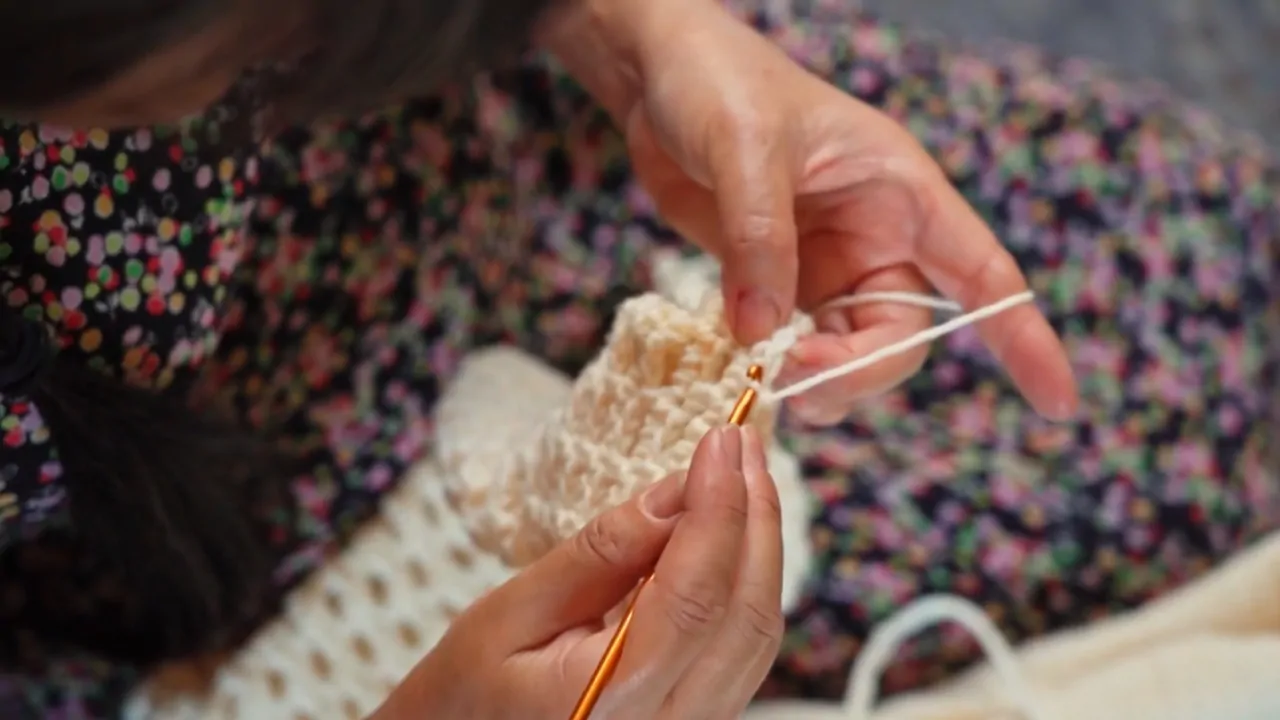
One increasingly popular solution comes in the form of so-called “grandma hobbies”, slow, tactile activities like knitting, sewing, baking, or assembling puzzles that offer a sense of calm and quiet satisfaction.
Younger generations, in particular, are deliberately seeking real, hands-on experiences away from screens. Many are rejecting hustle culture and prioritizing self-care, sustainability, and mindful living.
The slow, intentional nature of crafting fits perfectly into that mindset. Creating something with your own hands, something unique and personal, offers a sense of authenticity that mass production cannot replicate.
These low-tech, sensory activities provide what modern life often lacks: stillness, focus, and freedom from performance pressure.
What Counts as a “Grandma Hobby”?
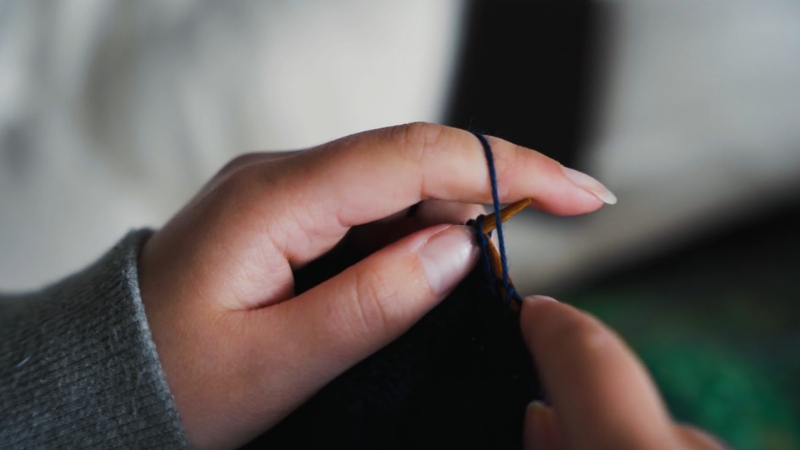
The term is affectionate rather than critical. It refers to calm, practical activities historically associated with older generations, hobbies that don’t require advanced technology or constant connectivity.
Common examples include:
These activities emphasize process over perfection and presence over productivity.
The Mental Health Benefits Backed by Psychology
While these hobbies feel comforting, research increasingly suggests they may also support mental health in measurable ways.
A 2025 systematic review covering 19 studies found evidence that crafts and creative hobbies can improve mental well-being. Another study published in Frontiers in Public Health reported that creative activities can make a meaningful contribution to public mental health.
Here’s how.
1. Encouraging Mindfulness and “Flow”
Crafts like knitting, baking, or painting require focused attention. They cannot easily be done while scrolling on a phone or worrying about global crises. They naturally encourage a slower pace and present-moment awareness.
Psychologists describe this immersive state as “flow”, a condition of focused engagement in which time seems to pass effortlessly. Slow, repetitive creative activities help people enter this calm mental space.
By engaging the senses, sight, touch, and even smell, these hobbies ground individuals in the present moment rather than allowing their thoughts to spiral into worry.
2. Reducing Stress and Calming the Nervous System
View this post on Instagram
Even simple, repetitive movements can have a soothing effect on the body.
Research shows that creative hobbies can activate the parasympathetic nervous system, the body’s “rest and digest” mode, which counteracts the stress response.
A 2019 study found that just 10 minutes of daily drawing improved mood and reduced stress. The benefits increased when practiced consistently over a month.
Through rhythmic motion and sensory focus, these hobbies help regulate breathing, quiet racing thoughts, and reduce emotional overload.
3. Letting Go of Perfectionism
People rarely choose to knit a scarf or bake bread because they expect a flawless outcome. They choose these activities for the joy of the process.
Practicing slow hobbies allows individuals to release perfectionist tendencies. When the goal shifts from producing something perfect to simply enjoying creation, the pressure decreases, not just within the hobby but often in daily life as well.
Learning to accept imperfections in a handmade project can foster greater self-compassion overall.
4. Taking a Break From the Digital World
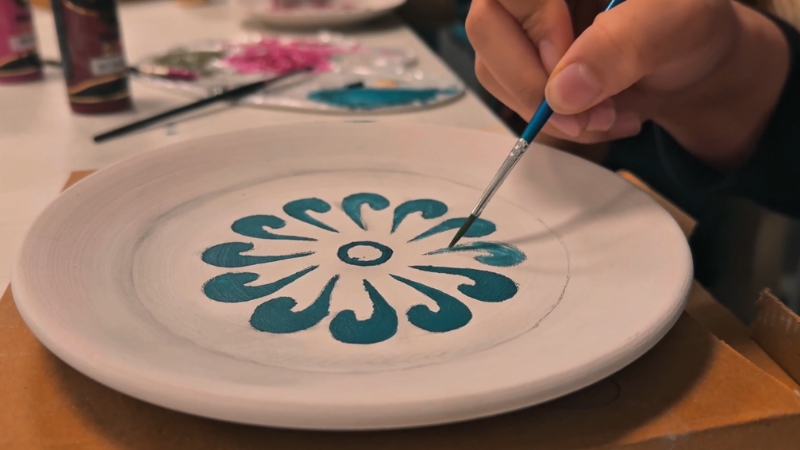
Crafting offers a deeply immersive experience that pulls people away from the overstimulating digital environment, a space that often fuels comparison, distraction, and nervous system overload.
Picking up knitting needles, a paintbrush, or a bread recipe reconnects individuals with simple sensory pleasures. It provides mental space that exists outside the constant stream of notifications and online demands.
5. Building Community and Connection
These hobbies are not necessarily solitary. Craft circles, baking exchanges, gardening workshops, and letter-writing clubs create low-pressure social environments.
When hands are busy, social anxiety often decreases. Conversations flow more naturally, and awkward silences feel less intimidating because everyone is engaged in a shared activity.
This sense of belonging and shared creativity strengthens emotional resilience.
How to Start Without Feeling Overwhelmed
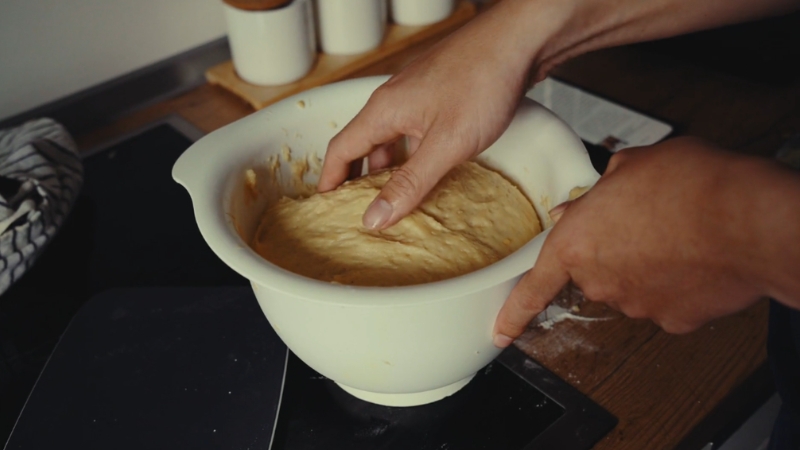
If it has been years since you last picked up a paintbrush or knitting needle, there is no need for pressure.
Here are some simple tips:
A Gentle Remedy for an Anxious Age
@missriss.671 I love my grandma hobbies 🫶🏽 #grandmahobbies #crochet #planttok #breadtok #trending ♬ original sound – musicc.luvr
“Grandma’s hobbies” are not about nostalgia alone. They represent a quiet rebellion against speed, pressure, and constant digital stimulation.
By promoting presence, activating the parasympathetic nervous system, and encouraging mindful creativity, these simple activities can help ease anxiety symptoms and foster emotional balance.
In a fast-moving world, sometimes the most powerful remedy is simply slowing down.