
Sports shoes have always promised speed, comfort, or injury protection. Now, some brands want to go further.
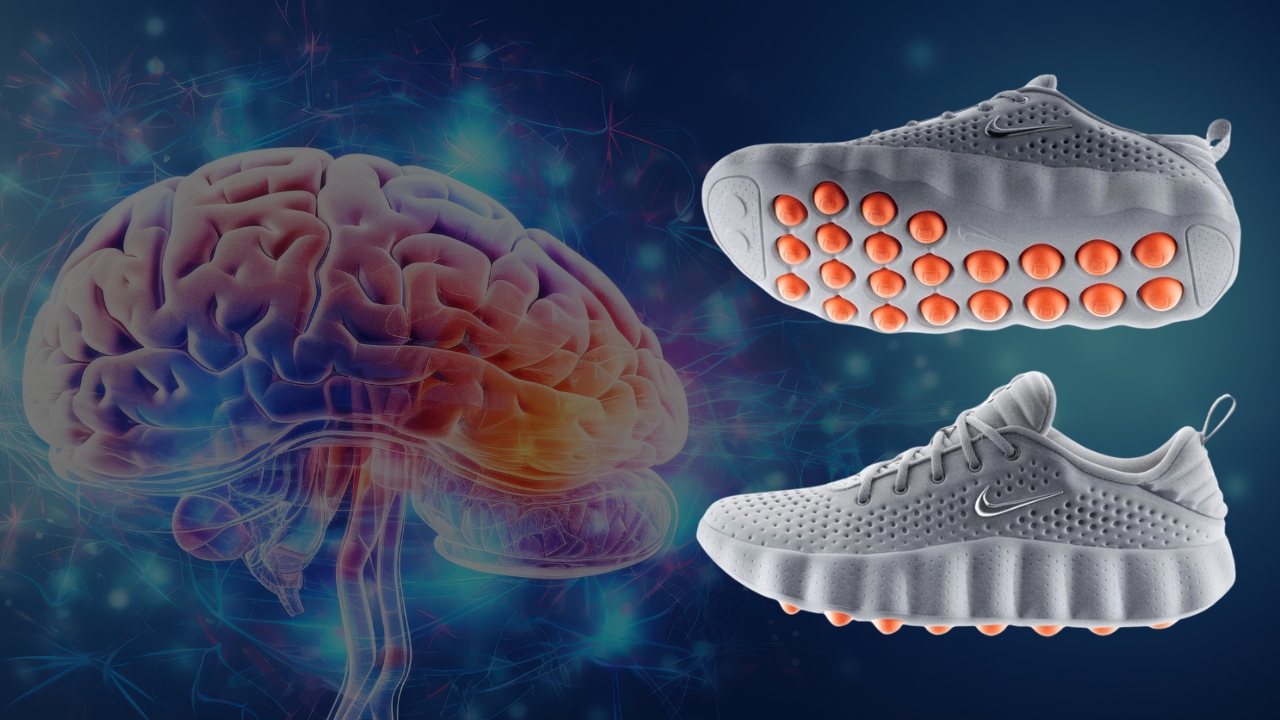
Nike says its latest footwear can stimulate the brain, sharpen awareness, and even improve focus by activating sensory receptors in the soles of your feet.
According to the company, the idea is rooted in neuroscience. By manipulating how the foot feels the ground, Nike suggests its shoes can influence perception, attention, and the mind–body connection.
Other companies, such as Naboso, are making similar claims, selling textured insoles and socks designed to “wake up” the nervous system.
It sounds plausible. The feet are packed with nerve endings. But neuroscience paints a more restrained picture.
What Really Connects Your Feet and Your Brain
The bottoms of your feet contain thousands of mechanoreceptors. These sensors detect pressure, vibration, texture, and movement.
Every step sends signals up through peripheral nerves, into the spinal cord, and onward to the somatosensory cortex, the brain region that maps the body.
The feet take up a meaningful amount of space on this map, which makes sense. They play a critical role in balance, posture, and movement.
Footwear also affects proprioception, the brain’s ability to sense where the body is in space by integrating information from muscles, joints, and tendons.
This is why neurologists and physical therapists care so much about shoes. For patients with balance problems, nerve damage, or gait disorders, changing how the foot receives sensory input can change how the entire body moves.
But altering movement is not the same thing as upgrading cognition.
Why is More Sensation Not Always Better
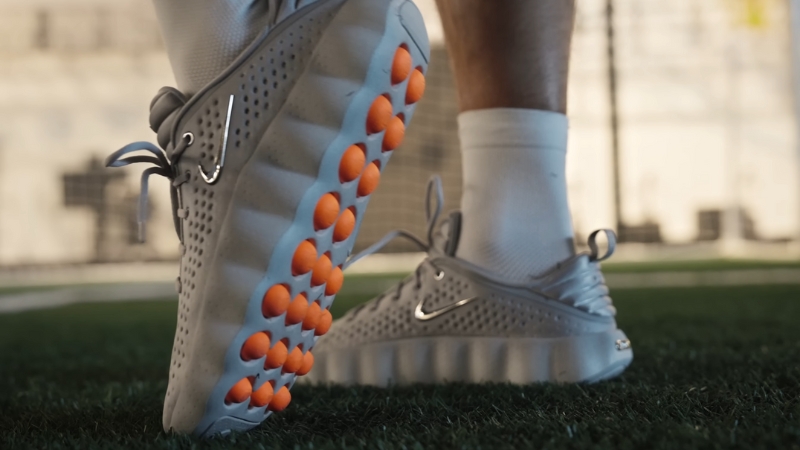
Minimalist shoes, with thinner soles and greater flexibility, allow more sensory information to reach the brain compared to heavily cushioned designs. Lab studies show that this can increase awareness of foot placement and timing, sometimes improving balance or gait stability.
That does not mean more sensation automatically improves performance or focus.
The brain constantly filters sensory input. It boosts signals that are useful and suppresses those that are distracting.
When someone is not used to minimalist or textured footwear, the sudden flood of sensory feedback can actually increase mental load. Attention shifts toward the feet instead of staying on the task at hand.
There is a tipping point where stimulation stops being helpful and starts becoming noise.
Can Shoes Really Improve Concentration?
View this post on Instagram
This is where neuroscience becomes skeptical.
Yes, sensory input from the feet activates parts of the brain. But brain activation alone does not equal better thinking.
Concentration, attention, and executive control depend on complex networks involving the prefrontal cortex, parietal regions, the thalamus, and neuromodulators like dopamine and norepinephrine.
There is little evidence that passive stimulation from shoe soles, foam patterns, or textured insoles meaningfully improves focus in healthy adults.
Some research shows mild sensory stimulation can increase alertness in specific situations, such as older adults working on balance training or patients recovering from sensory loss.
Even then, the effects are small and highly context-dependent.
Feeling more sensation does not mean the brain’s attention systems are performing better.
Why do People Still Feel a Mental Boost
Nike has officially released a neuroscience-based footwear that helps keep focus and calm the mind. pic.twitter.com/9FgIIuMB4z
— NoteS. (@NoteSphere) January 8, 2026
That does not mean people are imagining everything.
Belief matters. Placebo effects are well established in neuroscience.
If someone expects a product to improve focus or performance, that expectation alone can change perception, motivation, and behavior. Sometimes that shift is enough to produce measurable differences.
There is also growing interest in embodied cognition, the idea that bodily states influence mental states. Posture, movement, and physical stability can shape mood, confidence, and perceived clarity.
Shoes that subtly change how someone stands or moves may indirectly affect how focused or grounded they feel.
In that sense, the experience can feel real even if the mechanism is psychological rather than neurological.
Where Marketing Runs Ahead of Science
@cleoabram These new @Nike shoes are meant to focus and stimulate your brain before and after physical activity. Here’s how… #ad #TeamNike #Nike #science ♬ original sound – Cleo Abram
Footwear absolutely influences the nervous system. It changes sensory input, posture, and movement. What the science does not support is the leap from sensory modulation to reliable cognitive enhancement for the general population.
If shoes truly produced strong improvements in attention or concentration, those effects would be clear, consistent, and reproducible. Right now, they are not.
Shoes can change how you feel in your body, how you move through space, and how aware you are of your physical environment. That can influence comfort, confidence, and perception, which all shape experience.
But the most powerful ways to alter the mind remain boring and proven: regular movement, training, sleep, and sustained attention. Shoes may shape how the journey feels, but they are unlikely to change where the mind ultimately goes.
Based on analysis by Drexel University neuroscientist Atom Sarkar.