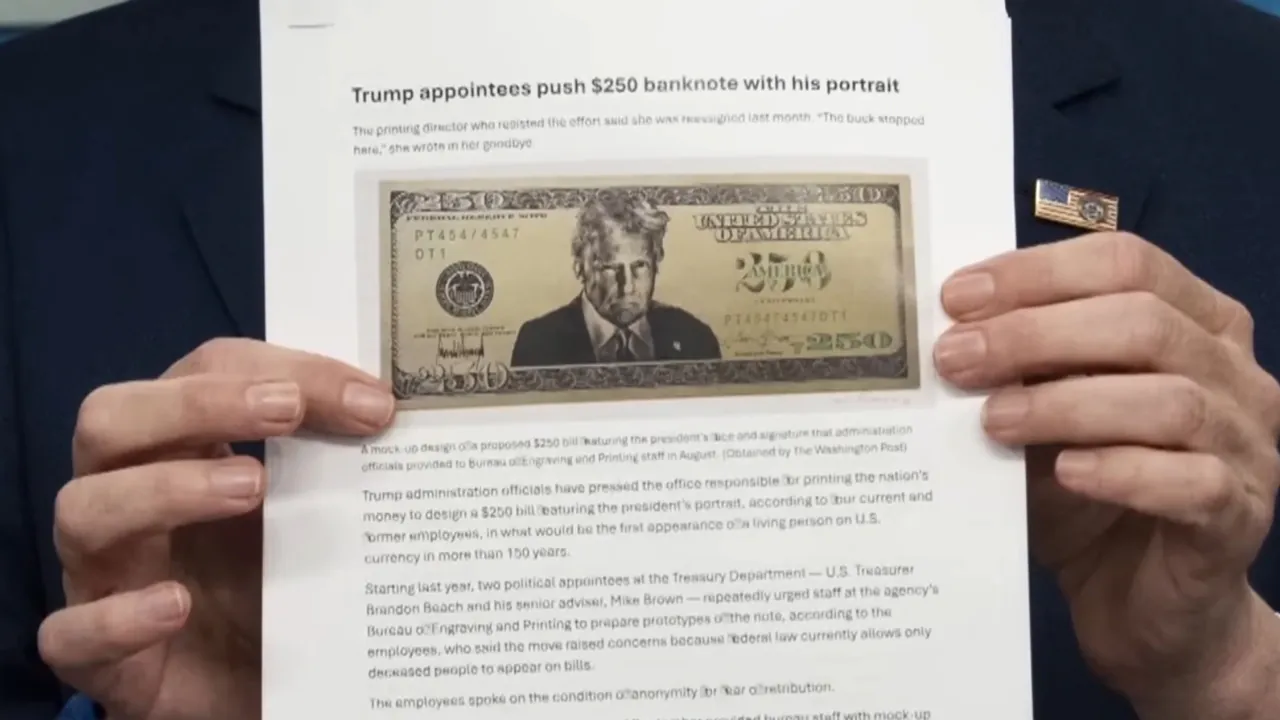
A new $250 bill with Donald Trump on the front has moved from internet rumor into a serious political and legal fight inside Washington. The practical answer for now: no, Americans are not about to find a Trump $250 bill in an ATM or a cash register tomorrow.
A design exists, Treasury officials have acknowledged preparatory work, and lawmakers have a bill in Congress. Circulation, however, requires Congress to change federal law.
The proposal has gained attention after The Associated Press reported that Treasury Secretary Scott Bessent confirmed limited steps toward a $250 bill featuring President Donald Trump. Bessent said the department had prepared for the possibility of a new note, while also saying the final decision belongs to Congress.
The idea is tied to the 250th anniversary of American independence, an anniversary already surrounded by political theater, patriotic branding and arguments over how much a sitting president should place himself at the center of national symbols.
A Trump $250 bill would go further than a commemorative coin or a campaign-style poster. It would place the image of a living president onto U.S. paper money, a line that federal law currently blocks.
The Trump $250 Bill Cannot Be Printed Under Current Law
The legal problem is simple. Under 31 U.S. Code Section 5114, only the portrait of a deceased individual may appear on United States currency and securities. Donald Trump is alive, so the Treasury Department cannot simply move ahead and issue a banknote with his image.
That is why the congressional bill matters. The Donald J. Trump $250 Bill Act, introduced as H.R. 1761, would require the Treasury secretary to print $250 Federal Reserve notes with a portrait of Trump. The measure would also create an exception allowing current and former presidents to appear on U.S. currency while alive.
At the moment, the proposal remains a political project rather than a new piece of money.
Reporting from AP says the bill has stalled in Congress, while Bessent has framed the Treasury work as preparation for a possible congressional mandate. In other words, the administration can prepare, design and discuss. It cannot legally put the note into wallets unless lawmakers pass the change.
What the Treasury Has Already Done
The most important shift came when Bessent publicly confirmed that Treasury had prepared a design. According to AP video coverage, Bessent defended the concept and said Congress would have to decide whether the bill becomes legal currency.
The Washington Post reported that Trump political appointees at Treasury pushed staff to prepare prototypes of a $250 bill with Trump on it. That report added tension to the story because a prototype can look like planning, while critics can see it as pressure on career currency officials before Congress has acted.
Sky News also reported on Treasury preparations, framing the issue around whether the United States could soon see a new $250 bill emblazoned with Trump. The wording captures why the story has spread so quickly: it sounds like a done deal, although the legal route remains unfinished.
A New Denomination Would Be Unusual on Its Own
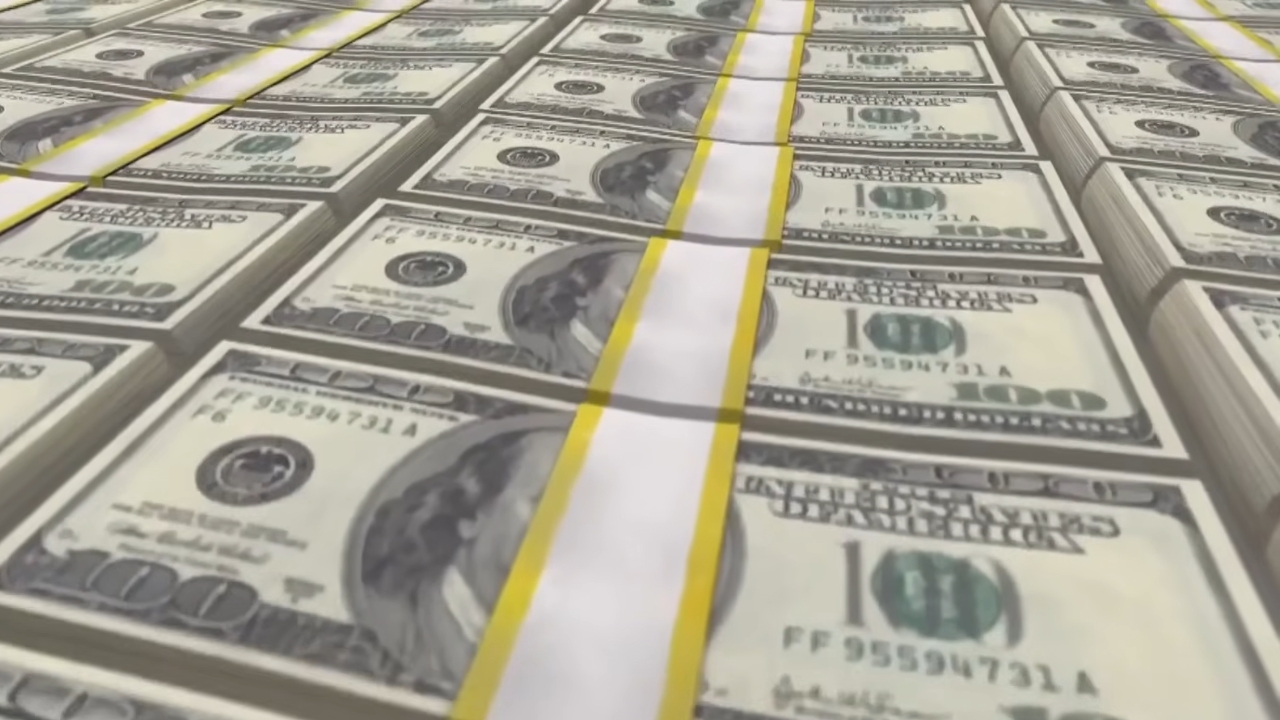
The Trump portrait is only part of the story. A $250 paper bill would also add a denomination that Americans do not currently use.
The U.S. Currency Education Program lists seven current denominations: $1, $2, $5, $10, $20, $50 and $100. The Bureau of Engraving and Printing says it currently prints those same seven notes.
That means the Trump proposal would not merely redesign an existing bill. It would create a new denomination for public use. Supporters can present that as a commemorative marker for the semiquincentennial.
Opponents can argue that it turns the money supply into a presidential tribute project at a time when many Americans are more concerned with prices, wages, and debt than with new currency symbolism.
Why Opponents See More than A Currency Debate
View this post on Instagram
Every currency design carries a message. The faces on U.S. money are chosen to look permanent, national, and larger than daily politics. Putting a living president on a new banknote would break with that tradition and place a current political figure on an object meant to circulate among everyone, including people who voted against him.
That is the deeper argument behind the legal dispute. The law barring living people from U.S. currency was designed to avoid exactly this type of personal glorification.
A democracy can honor leaders after history has had time to judge them. Honoring a sitting president while he still holds power raises a different question: where does commemoration end and political branding begin?
Trump has always understood the visual side of power. His name on buildings, merchandise, campaign signs, and government-adjacent imagery has been part of his public identity for decades.
A $250 bill would carry that instinct into the monetary system. For supporters, that could feel like recognition of a president they see as historically important. For critics, it could look like another attempt to turn public institutions into extensions of one man.
Will Americans Actually See a Trump $250 Bill?
@abcnews Treasury pushing for $250 bill with President Trump’s portrait and signature: *Is Trump really making a $250 bill? *Does Congress have to approve new currency? ABC News’ Selina Wang reports. #DonaldTrump #Politics #ABCNews #News ♬ original sound – ABC News
The honest answer is: only if Congress acts. Treasury cannot bypass the current statute on portraits of living people, and the $250 denomination would need legal authorization.
The proposal has attention, backing from Trump allies, and visible preparation inside the Treasury. Legal authority, however, remains the missing piece.
That makes the Trump $250 bill less a finished product than a test of political appetite. If Republican lawmakers decide to spend capital on it, the measure could move. If Senate resistance grows, or if lawmakers decide the fight looks too self-serving, the design may remain a prototype and a headline.
For now, the story is not that a Trump $250 bill is coming. The story is that the Treasury has prepared for one before Congress has cleared the path, and that alone shows how aggressively the Trump anniversary machine is pushing national symbols toward one central image: the president himself.