
Veterinary researchers estimate that more than half of the world’s domestic cats are overweight, a figure that has steadily climbed over the past two decades as indoor living and constant food access have become the norm.
Excess weight in cats is not a minor issue. It increases the risk of osteoarthritis, diabetes mellitus, cardiovascular strain, and reduced mobility, all of which directly shorten lifespan and reduce quality of life.
Unlike dogs, cats are metabolically sensitive to rapid dietary changes, which makes long-term weight management both medically delicate and behaviorally challenging.
A Drug Inspired by Ozempic, Designed for Cats
In December 2025, OKAVA Pharmaceuticals announced that its first clinical trial had officially begun for an experimental feline weight-loss treatment called OKV-119.
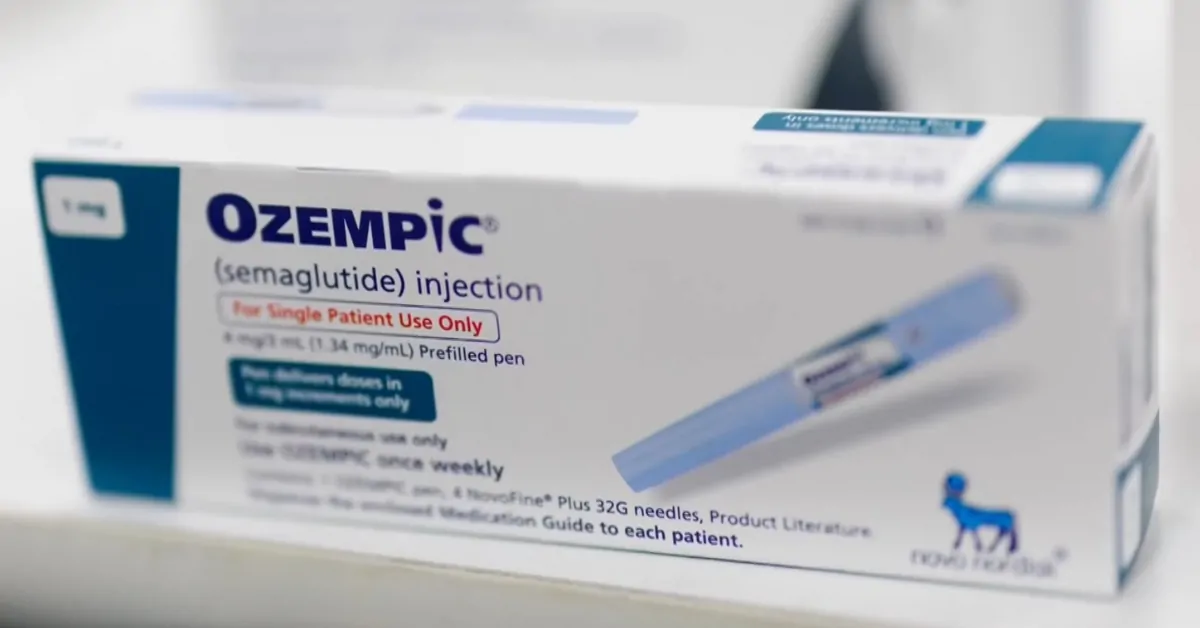
The drug uses a GLP-1 receptor agonist, the same drug class behind human medications such as Ozempic and Wegovy. GLP-1 drugs work by mimicking natural satiety hormones, helping regulate appetite, improve insulin sensitivity, and stabilize blood sugar levels.
Researchers point out that the GLP-1 receptor is remarkably conserved across mammal species, which supports the biological rationale for adapting this approach to cats.
How the Implant System Changes the Treatment Model
Unlike daily pills or injections, OKV-119 is delivered through a small implant placed just beneath the skin. The system is designed to release the medication gradually for up to six months. From a veterinary perspective, this matters because medicating cats consistently is notoriously difficult.
Missed doses, stress during administration, and owner noncompliance often undermine otherwise sound treatment plans. A long-acting implant could remove many of those barriers if proven safe and effective.
What Researchers Hope to Achieve Metabolically
View this post on Instagram
According to OKAVA’s leadership, the goal of OKV-119 is not rapid weight loss but controlled metabolic improvement.
Caloric restriction and intermittent fasting are among the most well-documented interventions for improving metabolic health and extending lifespan in cats, but they are also among the hardest to maintain in real homes.
The drug is designed to mimic several physiological effects of fasting, including improved insulin sensitivity, reduced fat mass, and more efficient energy use, without forcing abrupt changes in feeding routines that could damage the human-animal bond.
Safety Concerns and the Risk of Weight Loss Done Wrong
Veterinary researchers emphasize that weight loss in cats must occur slowly. Aggressive calorie restriction can trigger hepatic lipidosis, a serious liver condition that can become fatal if not treated promptly.
This is one reason pharmaceutical approaches are being explored cautiously.
OKAVA reports that the implant system itself has already undergone safety testing in healthy cats, while the current clinical trial will monitor obese cats over 12 weeks to assess both efficacy and adverse effects.
How Early the Research Still Is
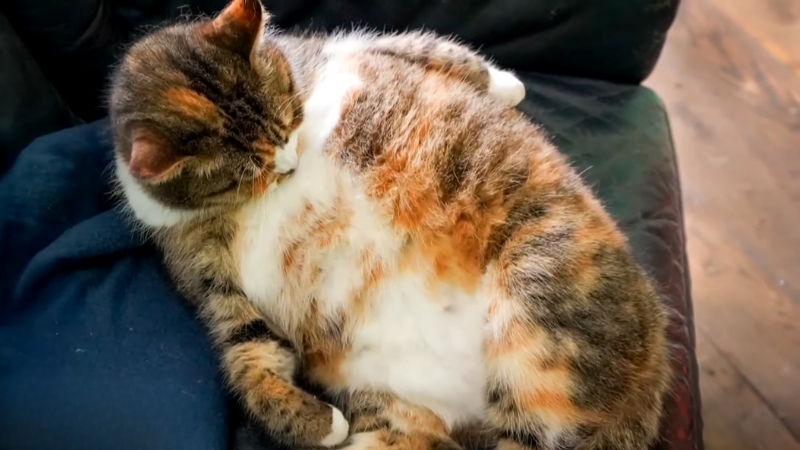
Despite the attention the announcement has received, the research is in a very early phase. At the time of disclosure, only one cat had received the implant as part of the clinical trial.
Researchers will be tracking weight changes, metabolic markers, behavior, and overall health before any conclusions can be drawn.
Regulatory approval and broader availability, if they happen at all, would still be years away.
What Veterinarians Recommend Right Now
Until clinical data becomes more robust, veterinarians continue to rely on proven, non-pharmaceutical strategies.
These include eliminating free feeding, establishing fixed meal times, controlling portion sizes, and using enrichment tools that encourage cats to move and “hunt” for their food.
From a research standpoint, most experts agree that even if drugs like OKV-119 become viable, they are likely to complement, not replace, basic nutritional management and environmental enrichment.
Why This Research Still Matters
@abc7newsbayarea Fat cat Ozempic might have arrived. Here’s what one Bay Area based company is doing to slim down household pets with a new GLP-1 implant clinical weight loss study for cats called MEOW-1. For more information, click the link above #glp1 #ozempic #cat #fatcat #abc7news ♬ original sound – ABC7 News
From a broader scientific perspective, the trial reflects a growing recognition that pet obesity mirrors many of the same structural problems seen in human metabolic health.
In human medicine, long-term data already show that bariatric surgery produces more durable weight loss and metabolic improvement than GLP-1 drugs such as Ozempic.
Researchers view feline GLP-1 therapies not as a shortcut, but as a potential tool for cases where standard interventions fail. If successful, the approach could reshape how veterinarians manage chronic obesity in cats while reinforcing the importance of slow, biologically appropriate weight loss.