Health authorities across Asia are intensifying surveillance and travel screening after India confirmed multiple cases of Nipah virus, including infections among two nurses at a private hospital in West Bengal, a development that has raised renewed concern over hospital-based transmission of the deadly pathogen.
The outbreak has prompted airport screenings in Thailand, heightened border checks in Nepal, and moves by Taiwan to classify Nipah virus infection as a top-tier notifiable disease, reflecting growing regional anxiety over one of the world’s most lethal zoonotic viruses.
Hospital Transmission Sparks Alarm in India
Indian health officials confirmed that two nurses working at Narayana Multispeciality Hospital in Barasat, around 16 miles from Kolkata, tested positive for Nipah virus. One of the nurses remains in critical condition, while the other is hospitalized.
According to West Bengal’s Health and Family Welfare Department, the nurses were on duty together between December 28 and 30. They developed high fever and respiratory distress within days and were admitted to intensive care on January 4 as their conditions deteriorated.
Preliminary investigations suggest both nurses were infected while treating a patient with severe respiratory symptoms who later died before Nipah testing could be carried out. That patient is now being treated as the suspected index case, and authorities say investigations are ongoing.
Health officials emphasized that the case was likely missed rather than misdiagnosed, highlighting how easily Nipah infections can evade early detection.
“We are expanding the criteria for testing so clinicians know when to suspect Nipah and when to order broader diagnostic panels,” said a senior official involved in West Bengal’s surveillance efforts.
Quarantine, Contact Tracing, and Nationwide Alerts
The outbreak triggered immediate quarantine and emergency surveillance measures in the region. So far, 180 people have been tested, with 20 high-risk contacts quarantined. All have tested negative and remain asymptomatic, but officials said they will be retested before the end of the 21-day incubation period.
India’s Ministry of Health and Family Welfare has issued a nationwide alert, urging states to strengthen surveillance, detection, and infection-control measures to prevent further spread.
TN on High Alert After Nipah Cases in Bengal
Tamil Nadu has gone on high alert and strengthened disease surveillance after confirmed Nipah virus cases were reported in West Bengal.
The State government has moved quickly to ensure hospitals and health authorities are prepared…
— South First (@TheSouthfirst) January 18, 2026
Several states, including Tamil Nadu, have instructed hospitals to intensify monitoring of Acute Encephalitis Syndrome (AES) cases, a broad clinical category that can mask Nipah infections.
“Persons admitted with AES, particularly those with travel or contact history linked to West Bengal, should be closely monitored and evaluated for possible Nipah virus infection,” one advisory stated.
Why Missed Nipah Cases Are So Dangerous
Health experts warn that misidentifying Nipah as AES or common respiratory illness has serious consequences, especially for healthcare workers.
“We have repeatedly seen human-to-human transmission occurring within hospital settings,” said Ali Althaf, a senior health official in Kerala with extensive experience managing Nipah outbreaks. “When cases are not recognised early, healthcare workers are placed at the highest risk of exposure to this often fatal virus.”
Kerala, which has faced multiple Nipah outbreaks in recent years, recorded more than 100 AES cases last year. Experts say broader diagnostic testing could reveal more Nipah infections that currently go undetected.
Regional Response Expands Beyond India
As concern spreads beyond India’s borders, Thailand’s Ministry of Public Health has begun screening passengers arriving from India at Suvarnabhumi and Don Mueang airports, focusing on travelers from West Bengal.
Authorities have also issued “Health Beware Cards” advising travelers to seek medical attention if symptoms develop within 21 days of arrival.
Nepal has stepped up health checks at Tribhuvan International Airport and major land border crossings, with intensified surveillance in Koshi Province.
Meanwhile, Taiwan’s Centers for Disease Control announced plans to classify Nipah virus infection as a Category 5 notifiable disease, reserved for rare or emerging infections posing major public health risks. The proposal is currently undergoing a public consultation period.
Despite the move, Taiwan has maintained a Level 2 “yellow” travel alert only for Kerala, a known Nipah hotspot, while monitoring developments in West Bengal.
A Virus With No Cure and High Fatality Rates
View this post on Instagram
According to the World Health Organization, the Nipah virus is classified as a priority pathogen due to its epidemic potential. There is no approved vaccine or specific antiviral treatment.
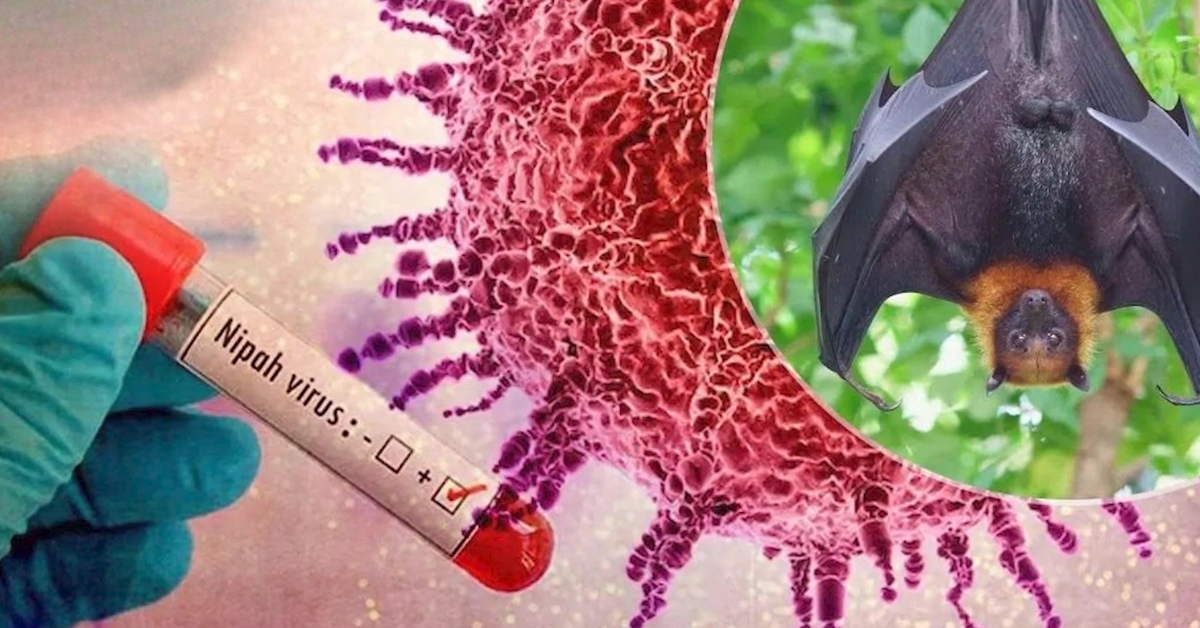
The virus is carried primarily by fruit bats of the Pteropus species and can spread to humans through contaminated food, contact with infected animals such as pigs, or exposure to bodily fluids. Limited human-to-human transmission has been documented, particularly in healthcare settings.
Fatality rates in past outbreaks have ranged from 40 percent to as high as 75 percent. Symptoms can begin with fever, vomiting, and fatigue before progressing to severe respiratory illness and fatal encephalitis. In some cases, neurological complications have appeared months or even years after infection.