What does Serena Williams’ support for GLP-1 drugs really mean? Doctors weigh in on the growing hype.
Recent headlines about celebrities using GLP-1 medications for weight management have reignited public debate. Some praise high-profile figures for openly seeking medical help and reducing stigma around obesity treatment.
Others argue these drugs are being used unnecessarily. When the celebrity involved is a world-class athlete like Serena Williams, the discussion becomes even more intense.
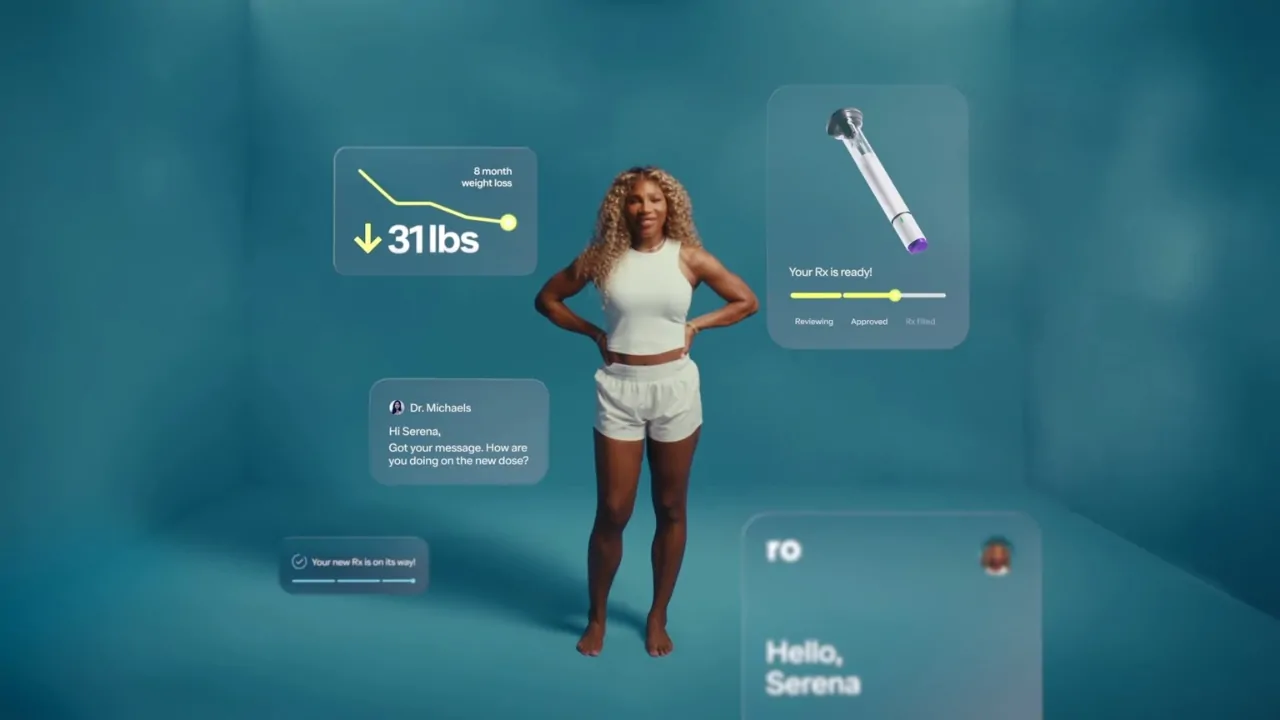
Williams recently revealed she uses a GLP-1 medication for weight control and has become a paid promoter for the health company Ro, in which her husband is financially involved.
She even suggested that starting the therapy earlier might have helped her performance during her tennis career. In a Vogue article, she said lingering postpartum weight “definitely affected some matches I could have won.”
That raises a controversial question: could GLP-1 drugs act as performance enhancers? Some regulators are cautious, but many physicians remain unconvinced.
Dr. Kristin Lovato, an obesity specialist at Banner Health, says she has seen how rapid weight loss affects physical conditioning. She calls GLP-1 drugs the first truly science-based medical treatment for obesity, but not performance boosters.
“They treat metabolic dysfunction,” she explains, “but they do not enhance athletic ability, especially in people who were already active before losing weight. Athletes still need time to regain their previous performance levels.”
From Clinical Trials to Celebrity Endorsements
Williams said losing weight after her second child felt almost impossible despite hours of daily training. Joint pain and blood-sugar issues eventually led her to try a GLP-1 medication.
She reports losing about 14 kilograms and hopes sharing her story will help others facing similar struggles. Still, her Super Bowl commercial triggered backlash.
There is little doubt these drugs have transformed obesity medicine. Yet debate continues over who should use them and when. Doctors stress they are not simply tools “to fit into smaller jeans” but treatments for a chronic metabolic condition.
“Whenever there’s dysfunctional metabolic signaling, we call it disease, except with obesity, where we often blame the patient,” says Lovato. “That stigma can prevent people from getting treatment that could genuinely improve their health.”
She also emphasizes that body fat is a metabolically active tissue that releases inflammatory cytokines. GLP-1 medications target metabolic signaling pathways rather than just suppressing appetite. According to her, these therapies have been studied and used clinically for decades.
Williams’ public endorsement appears to have had a measurable impact. Media reports suggest appointment requests for GLP-1 therapies surged even more after her disclosure than when Oprah Winfrey spoke about using similar medications.
For many observers, the fact that an elite athlete struggled with weight despite intense training challenges the common belief that obesity is simply about willpower. Still, doctors warn against unrealistic expectations, especially the idea that these drugs improve athletic performance.
The Reality of Fat Loss: Muscle Matters Too

“Weight loss is not just weight loss,” Lovato explains. “We worry about sarcopenia, the loss of muscle mass, in every patient.”
Significant fat loss often comes with some muscle loss. Current research suggests GLP-1 drugs affect muscle roughly in proportion to overall weight loss, combined with factors like aging. However, this still places certain patients at risk.
Common side effects such as nausea and reduced appetite can make it difficult to consume enough protein to preserve muscle strength. This is particularly challenging for athletes or individuals with higher protein requirements.
Lovato notes that GLP-1 medications are frequently used before bariatric surgery, afterward, and even years later if patients regain weight. Some patients report decreased physical performance, fatigue, or weakness, especially those who started with higher muscle mass.
Managing these risks requires a structured approach: addressing side effects that interfere with eating, ensuring adequate protein intake, strength training, proper hydration, and appropriate vitamin and mineral supplementation.
Bottom Line
View this post on Instagram
GLP-1 medications are reshaping obesity treatment, but they are not magic weight-loss solutions or performance enhancers.
For many patients, they address real metabolic dysfunction, yet they also require medical supervision, realistic expectations, and lifestyle adjustments.
Serena Williams’ openness has amplified awareness, but the medical consensus remains clear: these drugs treat a health condition, not athletic performance.