
Looking at an illustration of human evolution can create the impression that Homo sapiens represents the finished product. Evolution does not work toward a final form, however, and humans continue to change as genes pass between generations.
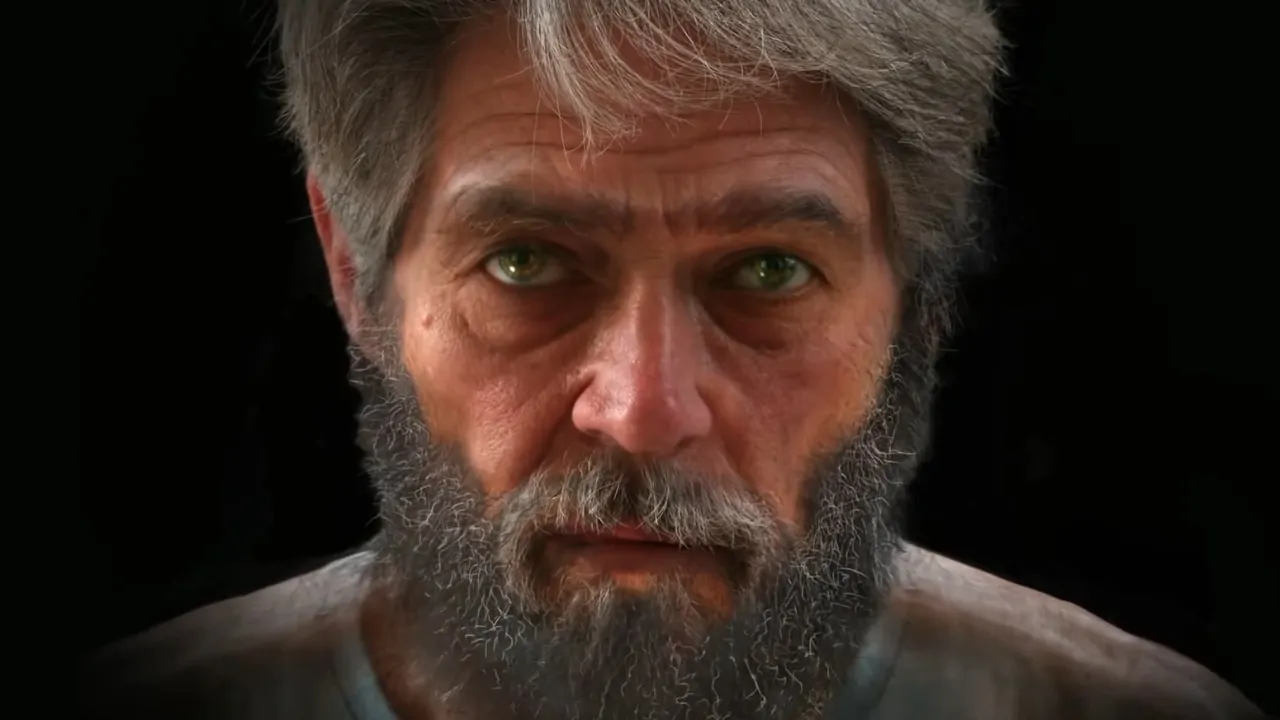
Viral images of people living in the year 3025 usually show darker skin, larger eyes, smaller jaws and bodies altered by technology. The faces look convincing, but they are illustrations rather than scientific forecasts.
Widely shared AI predictions have suggested that future humans could become more attractive and physically similar. A thousand years, however, represents only about 35 to 40 human generations. That is a short interval compared with the millions of years behind major changes in the human body.
People living in 3000s will probably remain recognizably human. The more interesting changes may involve disease resistance, ancestry, fertility, genetic medicine and adaptations among populations living beyond Earth.
What Science Can Reasonably Predict?
- Humans will continue evolving, but there is no predetermined final appearance.
- Migration and intermarriage will produce new combinations of ancestry without creating one uniform global face.
- Height, skin tone and facial structure depend on many genes and environmental conditions.
- Gene editing could influence inherited traits faster than natural selection.
- Space settlements could eventually develop distinct adaptations if populations remain isolated for many generations.
- Claims about smaller brains, enormous eyes or universally greater attractiveness remain speculative.
AI Can Draw a Future Face, but It Cannot Predict One
Revealed: What humans will look like in 1,000 years(3025) from now, according to scientists. pic.twitter.com/2JclkruD7P
— Elijah ???? (@RealDigitalVybz) February 9, 2025
AI-generated portraits are often published beside references to researchers, genetics and evolution. The scientific language gives the pictures an authority they have not earned.
An image generator does not follow genetic variants through hundreds of years of births, deaths and migration. It assembles a picture from its training material and the instructions placed in a prompt.
Mention global migration and the program may produce a person with mixed ancestry. Mention life in space and it may add large eyes, pale skin or a thin body. Those choices show how humans currently imagine the future. They do not demonstrate that any trait will become more common.
A credible evolutionary prediction must answer three questions: What pressure favors the trait? Can the trait be inherited? Would people carrying it leave more surviving descendants? Most viral images answer none of them.
A Thousand Years Is Short on the Evolutionary Clock
The Smithsonian Human Origins Program describes human evolution as a process extending over approximately six million years. Walking upright emerged over millions of years, while complex brains, language and culture developed at different points in that long history.
Evolution can move more quickly when a population faces intense pressure. Genetic variants affecting resistance to a deadly disease can spread when carriers are more likely to survive and have children. Traits related to fertility can also change relatively quickly because they directly affect reproduction.
A millennium may therefore produce measurable genetic shifts. A complete redesign of the human body is far less likely.
Modern travel also keeps populations connected. People living on different continents can meet and have children, which moves genetic variants between regions. Such gene flow works against the prolonged reproductive isolation normally required for separate species to emerge.
Will People Around the World Begin to Look More Alike?
Migration and intermarriage are changing the ancestry of populations in many countries. More people now have family roots in regions that were once separated by distance, borders and limited transportation.
Some visible differences between populations may become less closely tied to geography, but that does not mean everyone will acquire the same face or skin tone.
Skin pigmentation, height and facial structure are polygenic traits. According to the National Human Genome Research Institute, a polygenic trait is influenced by two or more genes. Environmental conditions can affect how many of those traits develop.
No single “mixed” appearance exists. Children with the same parents can inherit noticeably different combinations of complexion, hair texture, eye color and facial features. Future migration may create more combinations rather than less diversity.
Predictions sometimes claim that the average person will resemble populations living in Brazil or Mauritius. Both countries have extensive ancestral diversity, but neither provides a biological model for the future of the entire species.
| Popular Prediction | What the Evidence Supports |
|---|---|
| Everyone will have one medium or dark skin tone | Greater ancestral mixing is plausible, but pigmentation will remain genetically varied. |
| Ethnic differences will disappear | Some contrasts may become less regional while new combinations and identities emerge. |
| Future humans will share the same facial structure | Facial features involve many genes, making worldwide uniformity unlikely. |
| Human diversity will steadily decline | Migration may redistribute genetic variation without eliminating it. |
Height Will Still Depend Heavily on Childhood Conditions
Claims that future humans will become shorter usually begin with the idea that physical strength is no longer essential for survival. The conclusion is too simple.
Adult height reflects inherited variation, childhood nutrition, disease exposure, hormones and living conditions. Average height increased rapidly in several countries during recent history because children received better nutrition and medical care, not because the human genome changed dramatically within a few generations.
Future populations could grow taller where health and nutrition improve. Average height could decline in places affected by food shortages, conflict or recurring disease.
Conditions connected with climate change and infectious disease may influence childhood development much sooner than natural selection alters the skeleton. Urban life, reduced physical activity and changing diets may also affect body composition without changing inherited DNA.
Partner Choice Can Shift Traits, but Beauty Has No Fixed Target

Sexual selection occurs when a trait affects a person’s chances of finding a partner and having children. Partner preferences can therefore influence future populations when the same preferences remain strong for many generations.
The prediction that humanity will become “more attractive” raises an immediate problem. Attractiveness has no universal biological definition.
Preferences involving body shape, skin tone, facial hair and other features vary between cultures and historical periods. Personality, education, religion, wealth and social position also influence partner choice.
Modern contraception creates another complication. Attracting more partners does not necessarily lead to having more children. A physical trait can become fashionable without becoming more common in the gene pool.
Dating platforms may affect which people meet, especially by connecting individuals outside their immediate communities. Their long-term evolutionary effect will depend on whether those matches change reproductive patterns rather than simply dating behavior.
Gene Editing Could Change Humanity Faster Than Natural Selection
Medicine already affects evolution by allowing people with serious inherited conditions to survive, live longer and have children. Future genetic medicine could intervene more directly.
Developments involving CRISPR-based medical technology may help doctors treat or prevent certain inherited disorders. Many gene therapies alter cells in one patient and cannot be passed to that person’s children.
Editing embryos would cross a more consequential line. A genetic alteration introduced before birth could potentially pass to later generations, making deliberate changes to inherited human biology possible.
The World Health Organization’s recommendations on human genome editing call for strong oversight, international cooperation and safeguards against unsafe or unethical use.
Editing complex traits would be much harder than correcting a disease caused by one identifiable mutation. Intelligence, height, athletic ability and facial appearance involve numerous genetic variants together with environmental influences.
Access would create a serious social question. If genetic enhancements became available only to wealthy families, biotechnology could deepen inequality and produce differences shaped by money rather than natural geography.
Technology Does Not Automatically Mean Smaller Brains
One popular prediction says that dependence on smartphones, search engines and artificial intelligence will eventually reduce the size of the human brain. No strong evidence shows that such a change is underway.
People already store knowledge outside their bodies. Books, maps, calculators and written language have done that for centuries. Using an external tool changes how a person completes a task, but it does not automatically change the DNA passed to a child.
A phone reducing the need to memorize telephone numbers is a cultural change. Brain size would evolve only if inherited differences in brain development affected reproductive success across many generations.
Size also provides a poor measurement of intelligence. Neural organization, connectivity, development and energy use matter more than skull capacity alone. A smaller brain would not necessarily mean lower intelligence, just as a larger brain would not guarantee greater ability.
Research into a possible decline in measured intelligence should not be confused with genetic evolution. Test results can change because of education, health, environment, familiarity with testing and socioeconomic conditions.
Space Changes the Body, but That Is Not Yet Space Evolution
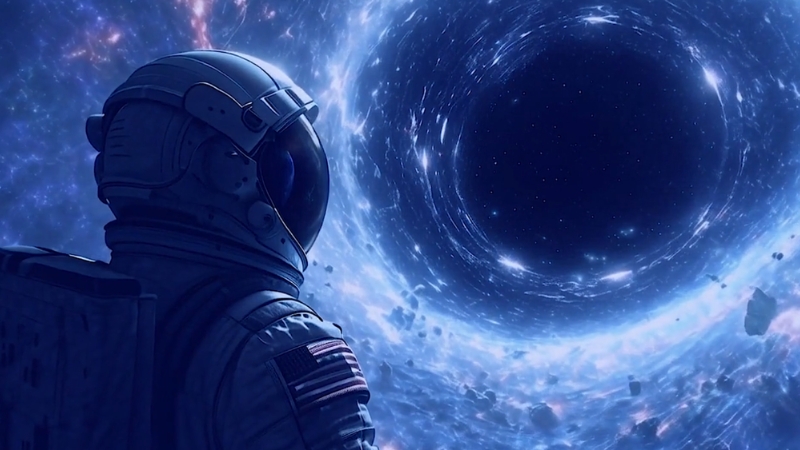
Space is one environment where human populations could eventually follow a different evolutionary path. The process would require permanent settlement, reproduction and long-term separation from Earth.
NASA’s research on the effects of spaceflight on the human body documents bone loss, muscle loss, fluid shifts, radiation exposure and changes affecting vision and balance.
Most observed effects are responses occurring during an astronaut’s lifetime. They are not automatically inherited. An astronaut losing bone density in orbit does not mean the astronaut’s children will be born with weaker bones.
Evolution would begin if inherited variants helped some settlers survive and reproduce more successfully in low gravity, high radiation or an enclosed habitat. After many generations, a population on Mars or in an orbital settlement might develop characteristics different from those common on Earth.
Possible pressures could include:
- More efficient maintenance of bone and muscle in reduced gravity
- Greater resistance to radiation damage
- Changes in oxygen use inside controlled habitats
- Different sleep patterns under artificial light cycles
- Immune systems adapted to small and relatively isolated communities
Predictions of extremely tall bodies and enormous eyes remain guesses. Engineers may alter habitats, lighting and artificial gravity long before biology has to solve those problems.
Climate Will Change Daily Life Before It Changes the Human Face
Climate has influenced human evolution before, but future humans will not simply develop a single “hot-weather body.”
Populations will face different conditions depending on location. Coastal flooding, extreme heat, drought, new disease ranges and food insecurity may create pressure in some regions while other areas remain comparatively stable.
Technology can weaken direct evolutionary pressure. Air conditioning reduces exposure to extreme heat. Vaccination and medicine reduce deaths from infection. Buildings, clothing and transportation allow humans to survive conditions that would otherwise impose stronger biological selection.
Climate-related genetic change remains possible when exposure affects survival and reproduction for many generations. Cultural responses are likely to arrive first through migration, new construction, water systems, agricultural changes and public-health measures.
Disease Resistance May Produce the Clearest Genetic Changes
Infectious disease has historically been one of the strongest forces acting on human populations. Variants offering protection against a dangerous pathogen can become more common when carriers survive at higher rates.
New diseases may continue producing selective pressure, although vaccines and treatments can reduce the difference in survival between people with and without a protective variant.
Resistance may also carry a cost. A genetic change that helps against one infection can increase susceptibility to another condition. Evolution does not design a perfect body. It preserves combinations that work well enough under particular circumstances.
Immune-system changes may therefore be among the most plausible biological differences between people living today and their descendants in 3025.
Fertility Could Matter More Than Physical Strength
Natural selection depends on reproduction, not physical superiority. In modern societies, traits connected with fertility and reproductive timing may have a greater evolutionary effect than strength or speed.
People differ in the age at which they reach puberty, their likelihood of conceiving, the number of children they have and the length of their reproductive lifespan. Some of those differences have heritable components.
Social conditions remain equally important. Education, housing costs, childcare, contraception and cultural expectations strongly influence family size. Separating genetic effects from social choices will remain difficult.
A trait becomes evolutionarily important only when it consistently affects the number of descendants across generations.
Human Bodies May Change Less Than the Technology Around Them
Wearable devices, implanted sensors, artificial organs and advanced prosthetics could alter how people live without changing human DNA.
Someone with an artificial retina, a robotic limb or a neural interface may possess abilities unavailable to earlier generations. The change would be technological rather than evolutionary unless it affected inherited biology.
Such distinctions matter when discussing “future humans.” A metal implant installed during adulthood is not an evolved organ. A genetic variant passed through a family is.
The development of artificial intelligence and related industries may transform education, work, memory and communication within decades. Biological evolution will usually move more slowly.
The Most Plausible Human Changes by 3025
No responsible forecast can provide a precise portrait, but several developments are more credible than the dramatic faces produced by AI.
- More people will have ancestry from several regions. Migration and intermarriage will continue creating genetic combinations that are less closely tied to national borders.
- Some disease-related variants may change in frequency. New infections and local health conditions could favor particular immune responses.
- Medicine may reduce the effect of inherited diseases. Screening, gene therapy and reproductive medicine may prevent some conditions without redesigning the entire species.
- Average bodies may change through nutrition and lifestyle. Height, weight and physical development can shift considerably without major genetic evolution.
- Technology may become more closely integrated with the body. Implants and artificial organs could become ordinary even though they are not inherited.
- Isolated space populations could begin diverging. Meaningful differences would require permanent communities and many generations of reproduction away from Earth.
What Will Probably Not Happen?
Several popular predictions make strong visual material but weak science.
- Humanity is unlikely to develop one worldwide face or complexion.
- Smartphones will not automatically cause smaller brains or bent bodies to become inherited traits.
- Space settlers will not immediately produce children with giant eyes and extremely long limbs.
- Beauty will not move toward a single global standard.
- Humanity is unlikely to divide into several new species within only 1,000 years unless populations become unusually isolated.
- AI cannot calculate a person’s appearance in 3025 from current photographs.
The Future Human May Look Surprisingly Familiar
A person from 3025 may not resemble the pale, large-eyed figure commonly shown in science-fiction illustrations. The individual may look ordinary to modern eyes while carrying ancestry from more parts of the world, protection against diseases that do not yet exist and medical alterations unavailable today.
The greatest differences may not be visible in a portrait. They may appear in immune function, reproductive biology, longevity, implanted technology or the ability to live safely away from Earth.
AI pictures reduce that complicated future to a face. Evolution involves populations, inheritance, reproduction, chance and changing environments. No single image can capture all of it.
Humanity is not standing still, but neither is it moving toward one predetermined body. The people of 3025 will be shaped by decisions made in laboratories, hospitals, cities and perhaps off-world settlements, alongside the slower biological forces that have always acted on our species.