

A recent study suggests reducing dietary protein may slow liver cancer development in people with impaired liver function, but healthy individuals likely do not need to worry.
New research indicates that lowering protein intake could reduce the risk of liver cancer or slow its progression in individuals with liver disease.
Scientists from Rutgers University highlight ammonia, a byproduct of protein metabolism, as a potential contributor to tumor growth when liver function is compromised.
For people with healthy livers, however, protein metabolism usually works efficiently, preventing harmful ammonia buildup.
Why Liver Health Matters in Protein Metabolism
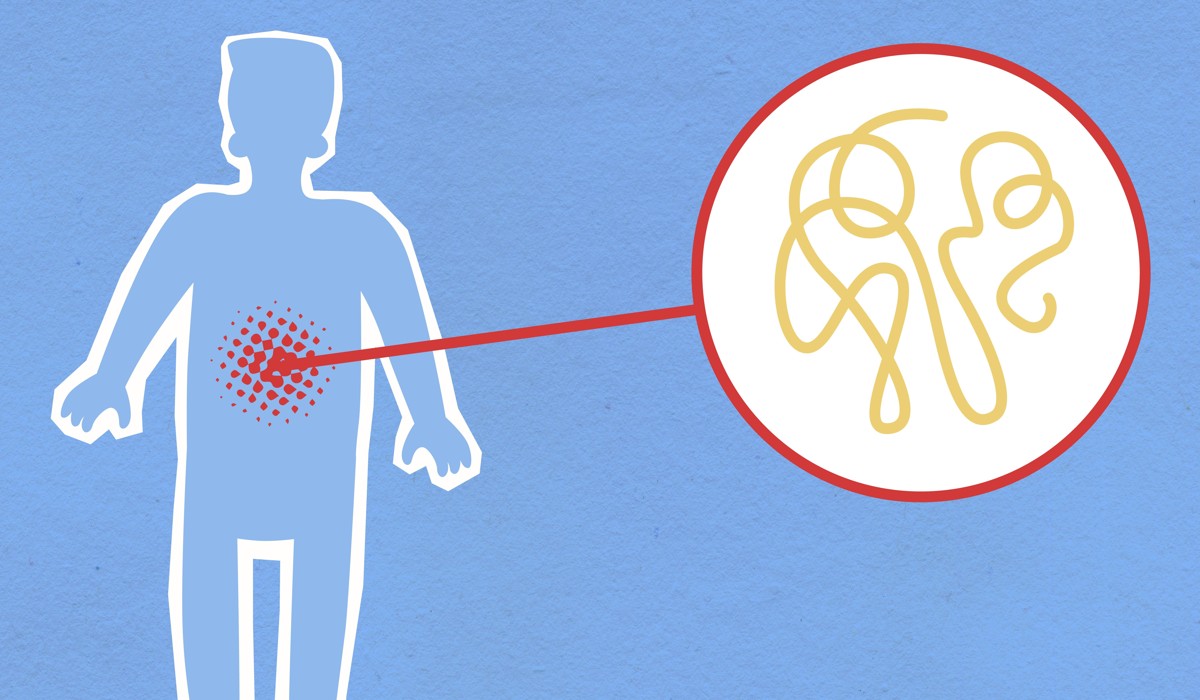
When the body digests protein, nitrogen-containing compounds can be converted into ammonia, a substance toxic at high levels. A healthy liver converts ammonia into urea, which is safely eliminated through urine.
Problems arise when liver function is impaired. Conditions such as fatty liver disease, hepatitis, cirrhosis, or chronic alcohol use can weaken this detoxification process. This may allow ammonia to accumulate and potentially influence cancer development.
Researchers increasingly believe that disruptions in normal organ chemistry can reshape the environment where tumors form and grow.
What the Rutgers Study Found
People with compromised liver function may be able to reduce their risk of liver cancer or slow its progression with a simple dietary change: eating less protein.
A Rutgers-led study in Science Advances found low-protein diets slowed liver tumor growth and cancer death in mice,… pic.twitter.com/jCzJ2wM8R9
— Rutgers Cancer Institute (@RutgersCancer) January 29, 2026
The research, published January 9, 2026, in Science Advances, used experimental mouse models to explore the connection between protein intake, ammonia metabolism, and liver cancer.
Key findings include:
These results suggest ammonia is not merely a waste product but may actively fuel cancer cell development when liver detoxification systems fail.
Liver Cancer Remains Difficult to Treat
View this post on Instagram
Liver cancer is often diagnosed late and can be challenging to manage. In the United States, the five-year survival rate is roughly 22 percent. Estimates from 2025 indicated about 42,240 new cases and over 30,000 deaths.
Risk factors include:
Because such liver conditions are common, the potential dietary influence on cancer risk has drawn significant research interest.
Should People Reduce Protein Intake?
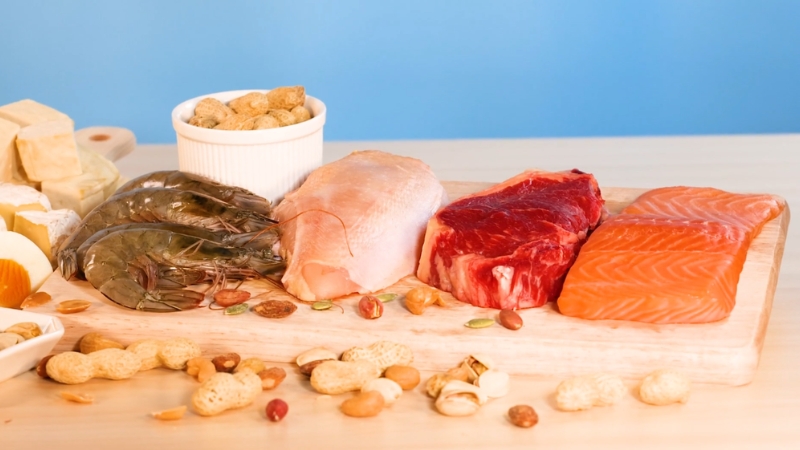
Researchers caution against generalizing the findings. Individuals with healthy liver function typically process protein safely and do not need to reduce intake solely to prevent liver cancer.
However, those with liver disease may benefit from carefully managed protein consumption under medical supervision.
Experts emphasize:
The Role of Ammonia in Tumor Growth
@docschmidt Ammonia can be tricky #cirrhosis #liverdisease #hepatology ♬ original sound – Doc Schmidt
One of the study’s most significant discoveries was that excess ammonia may contribute directly to tumor biology rather than simply accumulating as a toxin.
According to the researchers:
Bottom Line
Emerging research suggests reduced protein intake may slow liver cancer development in people with impaired liver function by limiting ammonia buildup.
For healthy individuals, normal protein consumption remains safe. Any dietary changes, especially for those with liver disease or cancer risk, should always be guided by medical professionals.