

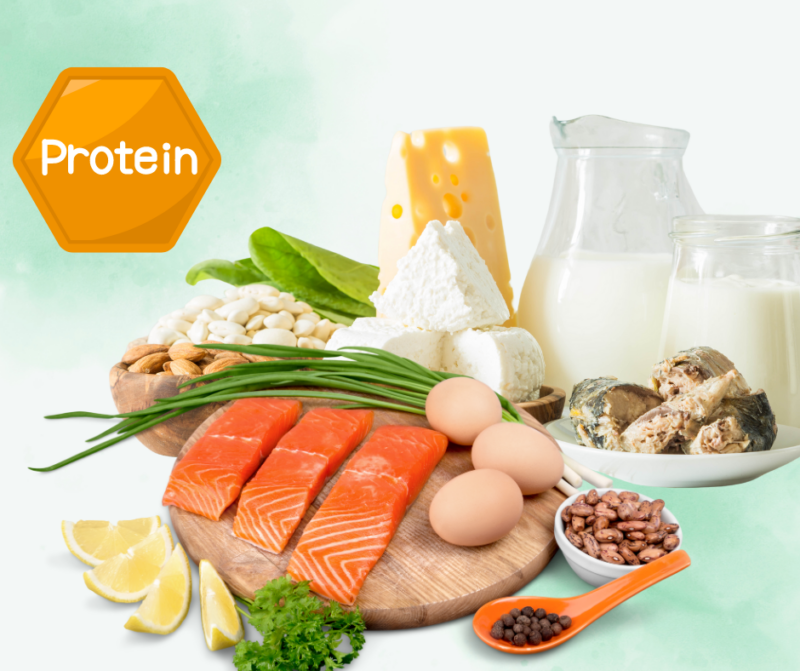
Protein deficiency is not the main problem in the average American diet. Most adults already get more than the longstanding minimum recommendation.
The latest federal food intake data show that U.S. adults consumed an average of 77.1 grams of protein per day from August 2021 through August 2023. Men age 20 and older averaged 89.3 grams. Women averaged 65.6 grams.
Those totals are above the familiar daily figures of 56 grams for men and 46 grams for women. At the same time, adults averaged only 16.3 grams of dietary fiber. Men averaged 17.7 grams. Women averaged 15.0 grams.
The imbalance says more about the American diet than the protein number alone. Many people add protein bars, powders and larger servings of meat to diets that already contain enough protein. Far fewer build meals around beans, whole grains, vegetables and fruit.
Federal nutrition advice has also changed. The Dietary Guidelines for Americans for 2025 to 2030 now give a protein goal of 1.2 to 1.6 grams per kilogram of body weight per day. That range is much higher than the longstanding Recommended Dietary Allowance of 0.8 grams per kilogram.
As a result, the phrase too much protein needs context. Average intake exceeds the old minimum benchmark. It does not exceed the newer federal range for every adult. Body weight, age, exercise and health all change the answer.
What The Latest Data Show
- U.S. adults consumed an average of 77.1 grams of protein per day from August 2021 through August 2023.
- Adult men averaged 89.3 grams, and adult women averaged 65.6 grams.
- Protein supplied about 16% of calories for men and 15% for women.
- Adults averaged only 16.3 grams of fiber per day.
- The longstanding adult protein RDA is 0.8 grams per kilogram of body weight.
- The current federal dietary guidelines use a higher goal of 1.2 to 1.6 grams per kilogram.
- Only about one in ten U.S. adults met fruit or vegetable intake recommendations in the latest national CDC analysis.
- Protein source, total calories, fiber, sodium and saturated fat deserve as much attention as the daily gram total.
How Much Protein Americans Actually Eat?
The newest numbers come from the USDA What We Eat in America nutrient intake table. The survey is part of the National Health and Nutrition Examination Survey.
Adults reported everything they ate and drank during a period covering the previous 24 hours. Trained interviewers collected the information. USDA researchers then calculated calories, protein, fiber, fat, sugar and other nutrients.
The survey gives the strongest current national estimate of what Americans eat. It does not describe every person. Someone who eats very little protein can exist inside a population with a high average.
| Age Group | Men | Women |
|---|---|---|
| 20 to 29 | 94.8 grams | 72.7 grams |
| 30 to 39 | 89.3 grams | 66.8 grams |
| 40 to 49 | 97.6 grams | 68.3 grams |
| 50 to 59 | 89.1 grams | 64.6 grams |
| 60 to 69 | 85.4 grams | 60.5 grams |
| 70 and older | 77.3 grams | 60.7 grams |
| All adults age 20 and older | 89.3 grams | 65.6 grams |
Men ages 40 to 49 had the highest average at 97.6 grams. Women ages 20 to 29 had the highest average among adult women at 72.7 grams.
Protein intake fell with age after midlife. Men age 70 and older still averaged 77.3 grams. Women in the same age group averaged 60.7 grams.
Why The Common 46 And 56 Gram Recommendation Falls Short?
The fixed figures of 46 grams for women and 56 grams for men appear in countless nutrition articles. They are useful examples, but not universal limits.
Both numbers come from the longstanding adult RDA of 0.8 grams per kilogram of body weight. The National Academies established that benchmark to cover the needs of nearly all healthy adults.
A smaller adult can reach the RDA with far less than 77 grams. A larger adult may need close to that amount before exercise, aging or recovery are considered.
| Body Weight | RDA At 0.8 g/kg | Current Guideline Goal At 1.2 g/kg | Current Guideline Goal At 1.6 g/kg |
|---|---|---|---|
| 120 pounds | 44 grams | 65 grams | 87 grams |
| 150 pounds | 54 grams | 82 grams | 109 grams |
| 180 pounds | 65 grams | 98 grams | 131 grams |
| 220 pounds | 80 grams | 120 grams | 160 grams |
The USDA offers a Dietary Reference Intake calculator for people who want an estimate based on age, sex, height, weight and activity.
A personalized estimate is more useful than comparing every adult with the same 46 or 56 gram figure.
What The New Federal Guidelines Say?
The 2025 to 2030 Dietary Guidelines recommend 1.2 to 1.6 grams of protein per kilogram of body weight per day. They also tell readers to adjust that amount to their calorie needs.
The new range does not erase the older RDA. The numbers answer different questions.
| Protein Benchmark | Daily Amount | What It Means |
|---|---|---|
| Recommended Dietary Allowance | 0.8 grams per kilogram | A baseline amount intended to meet the needs of nearly all healthy adults. |
| Dietary Guidelines for 2025 to 2030 | 1.2 to 1.6 grams per kilogram | A higher federal meal planning goal that should be adjusted to calorie needs. |
| Common athletic range | 1.2 to 2.0 grams per kilogram | A range used for many active adults and athletes based on training demands. |
The RDA is an adequacy benchmark. It is not a line between healthy and dangerous intake.
The newer guideline is also not a command to add shakes and bars. It tells Americans to prioritize nutrient rich protein foods. It also calls for vegetables, fruit, whole grains and fewer highly processed foods.
An adult who already eats enough protein gains little from adding another 40 grams without a clear reason. A person with high training demands may benefit from that same amount.
Americans Get Far Less Fiber Than They Need
Protein received most of the marketing attention. Fiber remains one of the clearest weak points in the national diet.
U.S. adults averaged 16.3 grams of fiber per day in the same USDA survey. Men averaged 17.7 grams. Women averaged 15.0 grams.
Adult fiber targets are much higher. National Academies reference values set the target at 38 grams for men age 50 and younger and 25 grams for women in that age group. The figures fall to 30 grams for men over 50 and 21 grams for women over 50.
| Group | Average Daily Fiber Intake | Reference Target |
|---|---|---|
| Adult men | 17.7 grams | 30 to 38 grams |
| Adult women | 15.0 grams | 21 to 25 grams |
| All adults | 16.3 grams | Varies by age and sex |
A protein bar with little fiber does not fix that gap. Neither does a shake made only from powder and water.
Beans, lentils, peas, nuts and seeds can raise protein and fiber at the same time. Whole grains, vegetables and fruit add fiber without turning every meal into a protein project.
Most Adults Still Has a Poor Diet, Mostly Due to the Lack of Fruits and Vegetables
The protein debate often distracts from a more basic problem. Most Americans do not eat enough produce.
A CDC analysis of adult fruit and vegetable intake found that 12.3% of adults met the fruit recommendation and 10.0% met the vegetable recommendation in 2019.
The current federal guidelines set goals of three vegetable servings and two fruit servings per day for a 2,000 calorie diet. Individual needs change with calorie intake.
Fruit and vegetables do not compete with protein. They complete the meal. A plate can include fish, chicken, eggs or tofu and still leave half of its space for produce.
Protein Is Not Taking Over The Average Diet
Adult men received 16% of their calories from protein. Women received 15%, according to a separate USDA energy intake table.
Those percentages sit inside the established adult range of 10% to 35% of calories.
The result helps explain why total grams can look high without protein dominating the diet. Men also consumed more calories and had larger average body sizes than women.
Protein provides four calories per gram. Eating 90 grams supplies about 360 calories. Weight gain occurs when total calorie intake repeatedly exceeds energy use. Protein does not escape that equation.
Adding two shakes to a full diet can increase calorie intake. Replacing a less filling snack with plain Greek yogurt can raise protein without increasing total calories by the same amount.
Food That Contain Lots of Protein
A daily protein total says nothing about the rest of the meal.
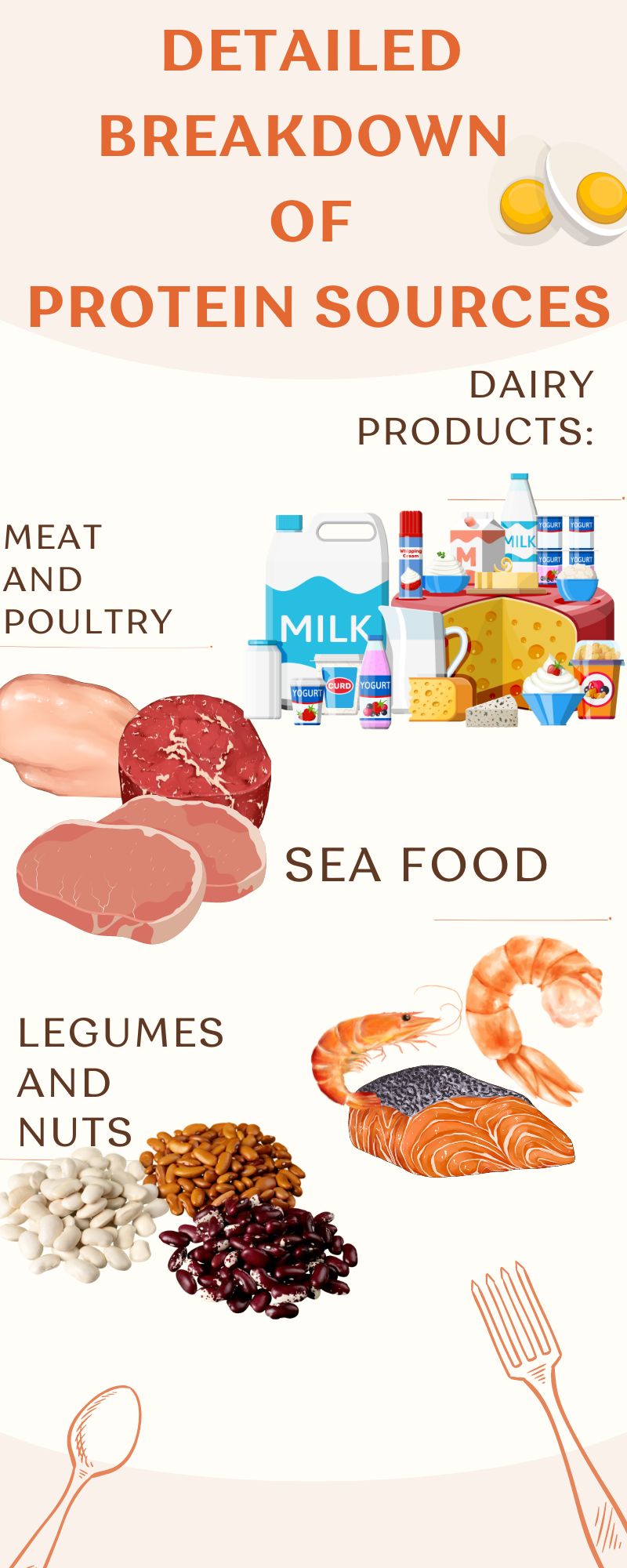
Beans provide protein, fiber and minerals. Salmon supplies protein and omega 3 fats. Milk and yogurt provide protein and calcium. Eggs provide protein, choline and vitamin B12.
Processed meat can add large amounts of sodium and saturated fat. Sweetened protein bars can contain added sugar. Large shakes can add hundreds of calories without providing the fiber found in a meal.
Research on meat intake and longevity also shows why one food label cannot explain an entire diet. Overall eating patterns, body weight, smoking, activity and access to health care can shape the result.
| Food | Approximate Protein | What Else It Provides |
|---|---|---|
| Cooked chicken breast, 3 ounces | About 26 grams | A concentrated source of protein. |
| Cooked salmon, 3 ounces | About 22 grams | Omega 3 fats and vitamin B12. |
| Two large eggs | About 12 grams | Choline, selenium and vitamin B12. |
| Plain Greek yogurt, 1 cup | About 17 to 20 grams | Calcium and other dairy nutrients. |
| Milk, 1 cup | About 8 grams | Calcium and vitamin B12. |
| Cooked lentils, 1 cup | About 18 grams | Fiber, folate and iron. |
| Cooked beans, 1 cup | About 15 grams | Fiber, potassium and magnesium. |
| Firm tofu, 3 ounces | About 8 to 12 grams | Iron and minerals that vary by product. |
| Nuts, 1 ounce | About 6 grams | Unsaturated fat, fiber and minerals. |
Exact values change by product and preparation. Readers can check specific foods through USDA FoodData Central.
You Can Reach 90 Grams Without A Shake!
Ordinary meals can reach 80 to 90 grams without a supplement.
| Meal | Example | Approximate Protein |
|---|---|---|
| Breakfast | Plain Greek yogurt with one ounce of nuts | 23 to 26 grams |
| Lunch | Three ounces of chicken with vegetables and brown rice | About 26 grams |
| Dinner | Three ounces of salmon with half a cup of beans and salad | About 29 grams |
| Drink or snack | One cup of milk | About 8 grams |
| Total | Three meals and one drink or snack | About 86 to 89 grams |
A vegetarian day can use eggs, dairy, lentils, beans, tofu, tempeh, nuts and seeds.
A vegan diet can also meet protein needs. It requires attention to vitamin B12 and may require closer planning for iron, calcium, iodine, zinc and vitamin D.
Timing is also very important. According to some studies, the best time to eat dinner is around 6 p.m.
Protein Powder Is A Convenience, Not A Requirement
Powder can help people with limited appetite, little time or a high athletic target. Most adults can meet ordinary needs through food.
A product should be judged by more than the number printed on the front. Check the serving size, calories, added sugar, caffeine and full ingredient list.
The FDA does not approve dietary supplements for safety and effectiveness before they reach the market. Its consumer guidance on supplement labels explains what manufacturers must disclose.
Competitive athletes should consider products certified by a recognized independent testing program. Certification does not prove that a supplement works. It can reduce the risk of undeclared ingredients.
Some People Need More Than The Average
1. Older Adults With Low Food Intake
Older adults often eat fewer calories. Their need for protein and several other nutrients does not fall at the same rate.
Low appetite, dental problems, medication effects, illness and difficulty preparing food can reduce intake. A national average can hide older adults who eat far less than the group mean.
2. People Who Train Regularly
Strength training and endurance exercise increase recovery demands.
The NIH Office of Dietary Supplements reports an athletic range of 1.2 to 2.0 grams per kilogram per day. Training type, intensity, calorie intake and goals affect the final number.
Protein cannot replace carbohydrates, fluids or enough total food.
3. People Eating Fewer Calories
Weight loss plans can reduce protein by accident. A smaller food intake leaves less room for every nutrient.
Including a useful protein source at each meal can help. Fiber, vegetables and fruit still need space on the plate.
A controlled intermittent fasting study also found that a shorter eating window did not produce broad metabolic improvements when calorie intake stayed similar. Meal timing cannot compensate for weak food quality.
4. People Recovering From Illness Or Surgery
Injury, infection, surgery and some chronic conditions can change protein needs. A clinician or registered dietitian should set the target during medical recovery.
5. Pregnant And Breastfeeding Women
Pregnancy and breastfeeding increase nutrient needs. Protein should be considered with iron, folate, iodine, choline, calcium and total calorie intake.
Kidney And Liver Disease Change The Advice
People with chronic kidney disease should not adopt a high protein plan without medical advice.
Protein metabolism creates waste that the kidneys remove. Damaged kidneys may have more difficulty handling that waste.
The National Institute of Diabetes and Digestive and Kidney Diseases advises people with kidney disease to work with a health professional or renal dietitian.
Needs can change during dialysis. People receiving dialysis often require more protein than people in earlier stages of kidney disease.
Liver disease can also change how protein is processed. We previously reported on research into lower protein intake and impaired liver function. Healthy people should not apply findings from liver disease research to themselves without medical guidance.
Check Your Own Intake In These Few Steps
- Convert body weight from pounds to kilograms by dividing by 2.2.
- Multiply the result by the benchmark that fits your situation.
- Write down food and drinks from two or three normal days.
- Use labels or a federal food database to total the protein.
- Check fiber, fruit, vegetables, sodium, saturated fat and calories at the same time.
- Look for supplements that duplicate protein already supplied by meals.
- Ask a clinician or dietitian for help when kidney disease, liver disease, pregnancy or medical recovery affects the calculation.
A 180 pound adult weighs about 82 kilograms. The RDA calculation gives about 65 grams. The current federal guideline range gives about 98 to 131 grams.
The correct target depends on the person. A trend on social media cannot provide that answer.
Methodolody
The intake figures come from the USDA What We Eat in America tables for August 2021 through August 2023.
Trained interviewers used the USDA Automated Multiple Pass Method, a five step interview process. Participants reported foods and drinks consumed during the previous day. USDA researchers matched the reported items with nutrient values.
The USDA survey documentation explains the collection process and available files.
One day of recall data can estimate a population average. It cannot describe the usual intake of every person. People can forget items, report the wrong portion or eat differently from one day to the next.
Final Thoughts
Looking at the numbers, we don’t think the average American needs to worry about getting more protein. Men already consume about 89.3 grams per day, and women average 65.6 grams. Both figures are above the old reference amounts of 56 and 46 grams.
That does not mean every American is eating a dangerous amount. Protein needs change with body weight, age, activity and health. Still, the national data make one point clear. Protein is not the nutrient most adults are missing.
Fiber is the bigger concern. Adults average only 16.3 grams per day, and most people also fall short on fruit and vegetables. Adding another shake or protein bar will not solve that problem.
In our view, Americans would benefit more from improving the whole meal than from chasing a higher protein total. Beans, vegetables, fruit, whole grains, nuts and seeds deserve more space on the plate. Enough protein is important, but more protein does not automatically create a healthier diet.
Sources
- USDA What We Eat in America nutrient intake tables for August 2021 through August 2023
- Dietary Guidelines for Americans for 2025 to 2030
- National Academies Dietary Reference Intakes for protein and fiber
- CDC analysis of adult fruit and vegetable intake
- NIH guidance on protein needs for exercise and athletic performance
- NIDDK nutrition guidance for adults with chronic kidney disease
- FDA consumer information on dietary supplements