
At some point in adulthood, many people quietly abandon play. Responsibilities expand, schedules fill up, and leisure becomes structured or productivity-focused.
Play starts to feel childish, inefficient, or even indulgent. Yet research increasingly shows that adults who maintain a playful mindset experience measurable psychological and social benefits.
They report lower stress levels, higher life satisfaction, stronger emotional resilience, and better overall well-being.
Play in adulthood does not necessarily mean board games or toys. It is less about the activity itself and more about the mindset behind it.
A playful adult might experiment in the kitchen without worrying about perfection, joke freely in conversation, dance in the living room, try a new hobby without fear of failure, or explore a walking trail simply for curiosity.
The defining element is openness, spontaneity, and engagement without a fixed outcome.
What Research Actually Shows
Playful people are more optimistic, manage life’s stresses better, and derive more joy from life in general. Here’s how to embrace your playful side for your personal and professional benefit. https://t.co/A9CF96LTwi
— Psychology Today (@PsychToday) September 29, 2025
Studies consistently link adult playfulness with better coping strategies and emotional regulation. Adults who engage in playful activities tend to interpret stressors differently.
Instead of seeing challenges purely as threats, they are more likely to frame them as manageable or even interesting.
In observational and survey-based studies, playful adults demonstrate:
Psychological Trait
Observed Effect
Stress response
Lower perceived stress levels
Emotional regulation
Greater ability to manage mood shifts
Resilience
Faster recovery after setbacks
Life satisfaction
Higher reported happiness levels
A recent study also suggested there may be a neurobiological pathway between playfulness and cognitive health in older adults. While research is still developing, early evidence indicates that playful engagement could support brain flexibility and long-term cognitive function.
This matters because emotional well-being in adulthood is closely tied to long-term physical health outcomes. Chronic stress is linked to cardiovascular disease, sleep disorders, and immune suppression.
If playfulness reduces stress exposure or improves coping, it may indirectly support overall health.
Play Strengthens Social Connection
View this post on Instagram
The benefits of play are not limited to the individual. Playful interaction tends to build stronger emotional bonds between people. Adults who engage playfully in social settings often demonstrate greater empathy, reciprocity, and emotional intelligence.
When people share humor, creative activities, or spontaneous experiences, they build what researchers call “shared emotional resources.” These shared experiences shape how people respond to future stress together.
Research has found associations between adult playfulness and:
Social Outcome
Impact
Emotional intelligence
Improved ability to read and respond to others
Relationship quality
Higher satisfaction in close relationships
Social belonging
Stronger sense of connection
Interpersonal warmth
More positive social interactions
Play also has a unique ability to dissolve status differences. When adults and children play together, roles such as “parent,” “teacher,” or “authority figure” temporarily soften. The interaction becomes reciprocal rather than hierarchical.
Studies suggest that intergenerational play can reduce age-based stereotypes and strengthen family cohesion.
Unstructured Play in Family Life
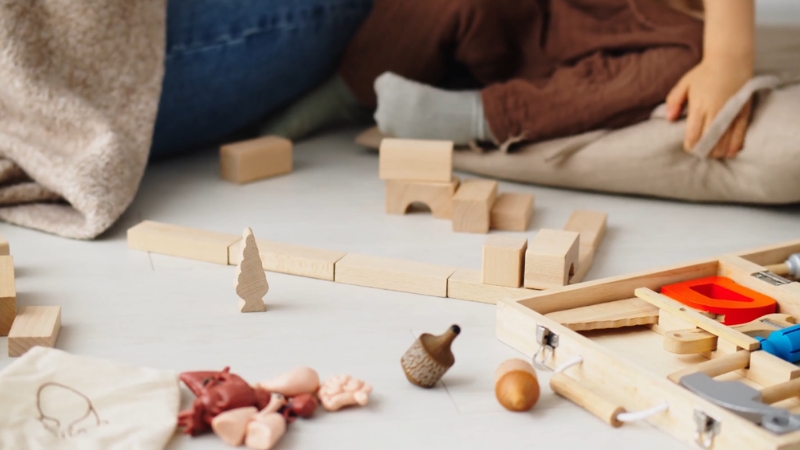
Research conducted with families in New Zealand highlights the value of unstructured play at home. Unlike scheduled sports or formal activities, unstructured play allows adults and children to invent games, tell stories, move freely, or simply be silly together.
Families who reported incorporating this kind of play described:
Importantly, adults who modeled playfulness made it socially acceptable within the household. When parents or caregivers treated play as normal rather than embarrassing, children and adults alike participated more freely.
Why Modern Life Pushes Play Out
Contemporary culture often frames adulthood as a continuous cycle of productivity. Work, achievement, and measurable outcomes dominate daily structure. Play, which has no guaranteed output, can feel inefficient.
Social norms also discourage visible playfulness in adults. Many people fear looking immature or unprofessional. Once play becomes something to apologize for, it quickly disappears.
Urban environments reinforce this divide. Most public spaces designate play areas for children only. Adult playgrounds are rare, and playful design elements are usually absent from standard infrastructure.
Rethinking Cities and Public Spaces
Urban design research suggests that cities could do more to support adult play. The most effective playful environments do not label themselves as playgrounds. Instead, they integrate playful elements into everyday movement.
Examples of subtle playful design include:
Design Feature
Potential Effect
Oversized steps
Encourage balance and varied movement
Stepping stones
Invite exploration and physical engagement
Musical swings
Turn routine motion into interactive play
Curved walking paths
Promote curiosity and non-linear exploration
Some cities have experimented with interactive installations that transform ordinary movement into playful engagement. However, these remain exceptions rather than norms.
If environments subtly invite play rather than confine it to childhood zones, adults may feel more comfortable engaging spontaneously.
The Psychological Reset Function of Play
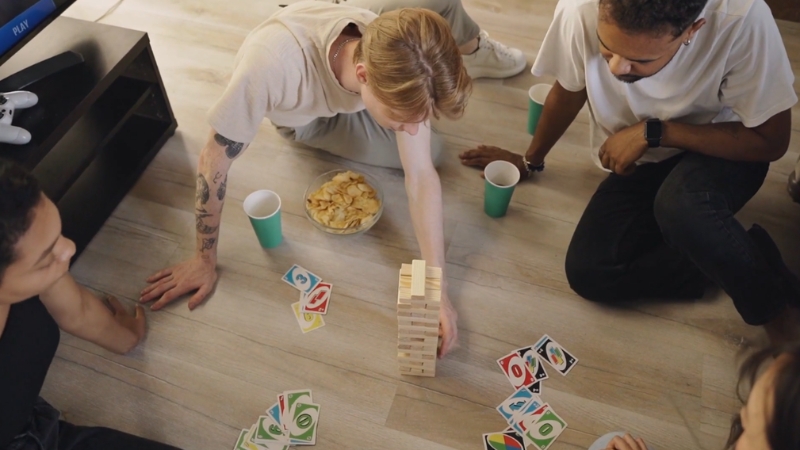
One of the most powerful aspects of play is its ability to interrupt stress cycles. When adults engage in playful behavior, they temporarily step outside performance expectations.
That reset allows the nervous system to shift away from constant alertness.
This effect supports:
Play does not eliminate responsibilities. Instead, it changes the mental posture toward them. A playful mindset allows experimentation and curiosity, which can improve creative problem-solving at work and in daily life.
Play Across the Lifespan
@katina.bajaj I wouldn’t say I’m a silly person (I’m trying!) – but what I think is liberating as a Creative Health Scientist is that play doesn’t need to look like it did when we were kids. The scientific definition of play = activity that’s done for its own sake. It’s often spontaneous and free flowing – just like meandering or learning something new. I try to incorporate at least one of these playful elements into my life daily. They’re like the adult entry points to creative freedom in my book. And of course – having fun and being silly is important too! ? #play #creativity #science #neuroscience #mentalhealth ♬ original sound – Katina Bajaj
Play has long been treated as something that belongs exclusively to childhood. Yet evidence suggests its importance does not disappear with age.
In fact, as responsibilities increase and stress accumulates, playful engagement may become more essential rather than less.
Reframing play as a legitimate component of adult wellbeing shifts how we think about mental health. Instead of viewing play as a break from “real life,” it can be seen as part of maintaining emotional and social stability.
Across psychological, social, and possibly neurological domains, research increasingly suggests that maintaining playfulness into adulthood is not indulgent. It is adaptive.
If adulthood has gradually crowded out play, the solution may not be adding more structured activities, but simply allowing room for spontaneity, curiosity, and shared enjoyment in everyday life.