

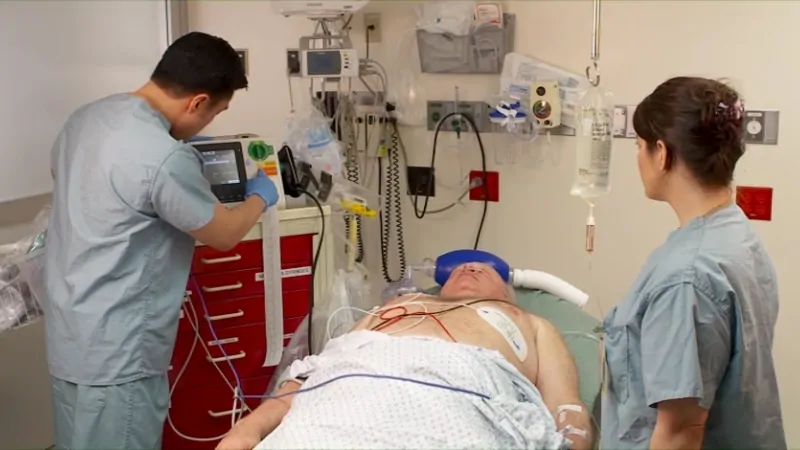
Death caused directly by planned electrical cardioversion is rare. The procedure is performed every day to restore a normal rhythm in people with atrial fibrillation, atrial flutter and several other abnormal heart rhythms.
There is no reliable universal cardioversion death rate that applies to every patient. Results differ according to the rhythm being treated, the urgency of the procedure, the patient’s heart function, other medical conditions and the length of follow-up used in each study.
Research on nonemergency cardioversion generally finds a high immediate success rate and a low rate of serious procedural complications. Deaths recorded during the following weeks are more strongly connected with heart failure, kidney disease, infection, heart attack and other underlying illnesses than with the electrical shock itself.
That distinction matters. A stable patient arriving for a scheduled outpatient procedure faces a very different risk from a critically ill patient receiving emergency treatment for an unstable rhythm.
Key Findings
- Electrical cardioversion restores sinus rhythm immediately in roughly 80% to 95% of selected patients with atrial fibrillation.
- Atrial flutter generally responds even more readily to synchronized electrical cardioversion.
- Serious complications during planned cardioversion are uncommon, and procedure-related death is exceptionally rare.
- Thirty-day mortality figures include deaths from underlying diseases and should not be presented as deaths caused by the shock.
- Stroke prevention is one of the most important parts of cardioversion planning.
- Patients with atrial fibrillation lasting 48 hours or longer generally require anticoagulation or imaging to exclude a heart clot before cardioversion.
- Restoring normal rhythm does not cure the condition. Atrial fibrillation returns in a substantial share of patients.
- Heart failure, severe ventricular dysfunction, advanced age, kidney disease and active critical illness increase overall risk.
1. Cardioversion Does Not Have One Fixed Death Rate
Older reports sometimes describe an overall cardioversion mortality rate of 0.1%, or one death for every 1,000 procedures. That figure should not be treated as a guaranteed personal risk or a precise national rate.
Studies differ in important ways. Some examine scheduled outpatient procedures. Others include hospitalized patients with heart failure, sepsis, kidney disease or recent heart attacks. A study may count deaths during the procedure, before discharge, within 30 days or during an entire year.
A large observational study of 1,017 nonemergency electrical cardioversions recorded procedural complications in 1.4% of patients. Fourteen patients died within 30 days, also 1.4%, but the researchers found that outcomes were associated more closely with the patients’ medical condition than with procedural factors.
The study does not show that cardioversion caused 1.4% of patients to die. It shows that people receiving cardioversion can carry substantial cardiovascular and medical risk before the procedure begins.
Reviews of cardioversion complications and electrical cardioversion safety describe serious adverse events as uncommon when patients are properly selected, anticoagulated and monitored.
2. Planned Electrical Cardioversion Is Generally Safe
Electrical cardioversion uses a synchronized shock to interrupt an abnormal rhythm and allow the heart’s natural electrical system to regain control.
The patient receives short-acting sedation or anesthesia. Adhesive pads are placed on the chest or on the chest and back. The machine synchronizes the shock with a specific point on the electrocardiogram, reducing the chance of triggering a dangerous ventricular rhythm.
Scheduled cardioversion is commonly completed within minutes. Patients are then monitored during recovery and generally return home the same day.
Research on sedation during electrical cardioversion and an earlier clinical review of cardioversion sedation support its use in an appropriately equipped medical setting.
The main immediate risks include:
- A blood clot moving from the heart to the brain or another organ
- A new or worsened abnormal rhythm
- Temporary low blood pressure
- Slow heart rate requiring medication or pacing
- A reaction to sedation or anesthesia
- Minor skin irritation or burns beneath the pads
A planned procedure allows the medical team to review medications, kidney function, electrolytes, anticoagulation and previous heart imaging before treatment begins.
3. Cardioversion Is Different From Defibrillation
The terms cardioversion and defibrillation are sometimes used as though they describe the same treatment. Both deliver electrical energy, but they are used in different situations.
| Treatment | How It Works | Common Uses |
|---|---|---|
| Synchronized cardioversion | The shock is timed to the heart’s R-wave | Atrial fibrillation, atrial flutter, unstable supraventricular tachycardia and some ventricular tachycardias with a pulse |
| Defibrillation | An unsynchronized shock is delivered immediately | Ventricular fibrillation and pulseless ventricular tachycardia |
| Pharmacological cardioversion | Medication is used instead of an electrical shock | Selected stable patients with atrial fibrillation or another suitable arrhythmia |
Defibrillation is used during cardiac arrest or another immediately life-threatening rhythm. Mortality in those cases is driven primarily by the cardiac arrest, heart attack or critical illness rather than by the shock.
Combining emergency defibrillation statistics with planned cardioversion statistics produces a misleading picture of procedural safety.
4. Stroke Is the Main Preventable Concern
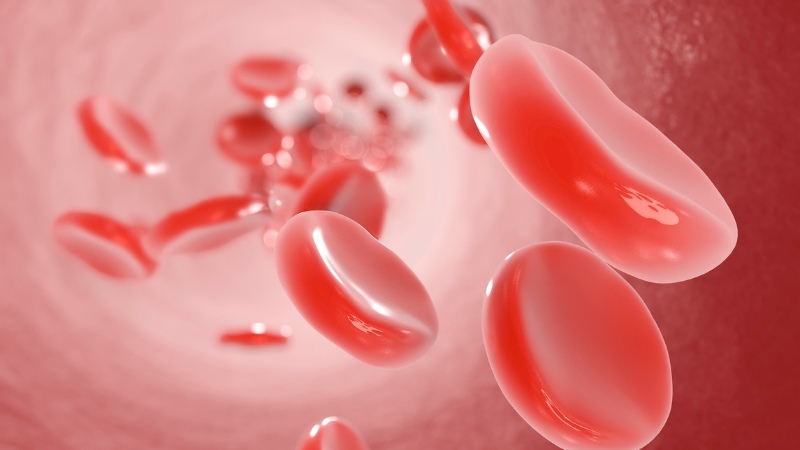
Atrial fibrillation prevents the upper chambers of the heart from contracting normally. Blood can remain inside the left atrium and form a clot, particularly in the left atrial appendage.
Restoring normal contraction can dislodge that clot. It may then travel to the brain and cause an ischemic stroke.
Historical studies placed the risk of thromboembolism after cardioversion without adequate anticoagulation at roughly 5% to 7%. Modern anticoagulation protocols reduce that risk substantially.
For atrial fibrillation that has lasted at least 48 hours, or when its duration is unknown, the standard approach generally includes one of the following:
- Therapeutic anticoagulation for at least three weeks before cardioversion and at least four weeks afterward
- A transesophageal echocardiogram or another approved imaging method to exclude a clot before earlier cardioversion, followed by anticoagulation afterward
Warfarin and direct oral anticoagulants are both used, depending on the patient’s heart valves, kidney function, bleeding risk and other clinical factors.
Research on the timing of direct oral anticoagulants reinforces the need for uninterrupted treatment around the procedure.
Studies of stroke timing after cardioversion have found that many embolic events occur during the first several days. Research has also examined silent brain lesions detected by MRI, although the clinical significance varies by study.
5. Success Is High, but Normal Rhythm May Not Last
Electrical cardioversion restores normal rhythm immediately in approximately 80% to 95% of selected atrial fibrillation patients. Atrial flutter frequently responds at the upper end of that range.
Results depend on several factors:
- How long the abnormal rhythm has been present
- The size of the left atrium
- The position of the electrode pads
- The amount and type of electrical energy used
- Body size and chest impedance
- Underlying heart disease
- Use of antiarrhythmic medication
The synchronized cardioversion technique times the shock to the R-wave to prevent delivery during a vulnerable part of the cardiac cycle.
Research describing conversion of recent-onset atrial fibrillation and imaging before cardioversion shows how timing and clot prevention influence treatment decisions.
Immediate success does not guarantee long-term rhythm control. Atrial fibrillation may return within days, months or years. A 2026 study of 506 patients with persistent atrial fibrillation found recurrence in 28.5% within one year after successful cardioversion. Other studies have reported higher rates in patients with longer-lasting AF or enlarged atria.
6. Repeat Cardioversion Does Not Automatically Damage the Heart
Some patients undergo cardioversion more than once because atrial fibrillation returns.
The need for another procedure does not by itself show that the earlier electrical shock damaged the heart. Repeat cardioversion more commonly indicates that the underlying atrial fibrillation remains active.
Older age, atrial enlargement, untreated sleep apnea, obesity, high blood pressure, thyroid disease, alcohol use and structural heart disease can all contribute to recurrence.
A study of repeat electrical cardioversion examined the characteristics that predict repeated procedures and rhythm outcomes. The evidence does not support assigning every repeat procedure a fixed mortality rate of 0.15%.
Doctors may reconsider the treatment plan when cardioversion repeatedly provides only brief relief. Options include:
- Rate-control medication
- Antiarrhythmic medication
- Risk-factor treatment
- Catheter ablation
- AV node ablation and pacing in selected cases
7. Emergency Cardioversion Carries a Different Kind of Risk

Emergency synchronized cardioversion is used when an abnormal rhythm is producing severe hypotension, shock, chest pain, pulmonary edema, altered mental status or another sign of inadequate circulation.
The patient may also have sepsis, a heart attack, major electrolyte disturbances or advanced heart failure. Those conditions make emergency patients far more likely to die than stable outpatients.
A precise universal mortality rate of 0.4% for emergency cardioversion is not supported across every emergency setting. The risk depends on the illness that caused the instability, the rhythm involved and how quickly circulation is restored.
In a true emergency, doctors do not delay life-saving cardioversion to complete several weeks of anticoagulation. Anticoagulation is started as soon as clinically appropriate, and stroke prevention continues after the procedure.
An analysis of cardioversion for acutely unstable atrial fibrillation highlights the difficulty of separating the effects of the rhythm from the critical illness that triggered it.
The earlier article linked a Google search result as an NCBI source. That search URL is retained here for transparency but should not be treated as medical evidence:
8. Elective Cardioversion and 30-Day Mortality Are Not the Same Measure

A frequently cited study of 1,017 nonemergency cardioversions reported 14 procedural complications and 14 deaths during the following 30 days.
The deaths should not be described as procedural mortality. The study included many patients with serious medical conditions, and its authors concluded that poor outcomes were associated more with the patient’s condition than with the characteristics of cardioversion.
| Outcome | Reported Result | How to Interpret It |
|---|---|---|
| Failure to restore sinus rhythm | 8.8% | Immediate cardioversion did not work |
| Procedural complications | 1.4% | All recorded complications, not deaths alone |
| Repeat cardioversion within 30 days | 7.9% | The arrhythmia persisted or returned |
| Hospital readmission within 30 days | 11% | Any qualifying readmission |
| Death within 30 days | 1.4% | All-cause mortality, not proven deaths from the procedure |
The full nonemergency cardioversion outcome study provides the necessary context.
A much smaller 2024 study of hospitalized patients found substantially worse outcomes after unsuccessful cardioversion. That finding indicates that failed treatment can identify a medically fragile patient. It does not prove that failure itself caused every later death or readmission.
The related cardioversion outcome research should therefore be read as evidence about prognosis in ill patients rather than a direct measure of shock-related mortality.
9. Direct Current Cardioversion Is Fast and Highly Effective
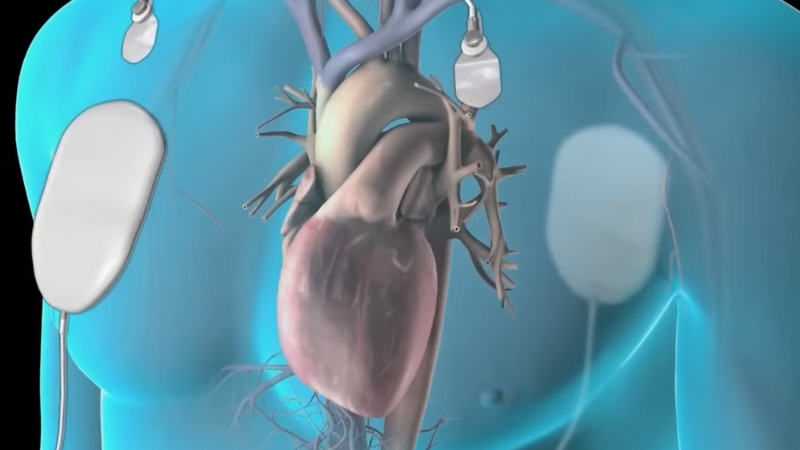
Direct current cardioversion, or DCCV, is the standard electrical form of cardioversion.
The patient is sedated, the defibrillator is placed in synchronized mode and one or more shocks are delivered. Energy settings depend on the rhythm, equipment and clinical protocol.
The electrical portion lasts only seconds. Preparation, anesthesia and recovery take longer.
A direct current cardioversion patient guide explains the procedure, consent process and expected recovery.
An older cardioversion safety study has been used to support an estimated mortality figure of 0.02%, or one in 5,000. That number comes from a specific patient population and should not be treated as the exact risk for every modern procedure.
| Feature | Typical Planned Cardioversion |
|---|---|
| Immediate rhythm success | Approximately 80% to 95% |
| Electrical treatment time | Seconds |
| Total visit | Several hours including preparation and recovery |
| Sedation | Short-acting intravenous medication |
| Discharge | Usually the same day |
| Driving | Not permitted immediately after sedation |
10. Atrial Fibrillation Is the Main Reason for Planned Cardioversion
Atrial fibrillation is the most prevalent sustained arrhythmia and one of the main reasons cardioversion is performed.
The condition can cause palpitations, fatigue, dizziness, shortness of breath and reduced exercise tolerance. It also raises the risk of stroke and heart failure.
Estimates of the number of Americans with AF vary because many people have not been diagnosed. The figure of 3.5 million cited in older reporting no longer captures the full projected burden. Researchers expect prevalence to rise as the population ages and rates of obesity, diabetes, hypertension and sleep apnea increase.
Reporting on rising AF rates describes several of those drivers.
Clinical guidance on cardioversion for atrial fibrillation explains the rhythm indications, preparation and possible complications.
Cardioversion provides the greatest chance of durable success when atrial fibrillation is relatively recent, the left atrium is not severely enlarged and the underlying triggers are being treated.
11. Heart Failure and Reduced Heart Function Raise Overall Risk
Patients with heart failure have less cardiovascular reserve and a higher chance of atrial fibrillation returning after treatment.
They also face greater risks from fluid overload, low blood pressure, kidney dysfunction and medication interactions. These risks arise from the overall illness rather than from the electrical shock alone.
The available evidence does not support one universal cardioversion mortality rate of 0.25% for every patient with heart failure.
A review of atrial fibrillation and heart failure outcomes explains the close relationship between the two conditions. Research on medical treatment for heart failure shows how modern therapy can improve cardiac function and reduce hospitalization risk.
Doctors may perform cardioversion in a hospital when a patient has:
- Severely reduced ejection fraction
- Recent worsening of heart failure
- Low blood pressure
- Pulmonary edema
- Severe valve disease
- Electrolyte abnormalities
- A history of dangerous ventricular arrhythmias
12. Severe Left Ventricular Dysfunction Requires Individual Assessment
@abeerberry1 What causes diastolic dysfunction? #fyp #medicine #doctor #cardiologist #heart #cardio #hearthealth #cardiology #echo #echocardiogram #health #diastolicdysfunction ♬ original sound – DrBerry??⚕️
Severe left ventricular dysfunction generally means that the main pumping chamber cannot eject blood effectively. An ejection fraction below 30% is one marker of severe impairment, although the complete clinical picture matters.
Such patients can still undergo cardioversion. The decision depends on blood pressure, congestion, valve disease, rhythm duration, clot risk and the likelihood that restoring sinus rhythm will improve cardiac output.
The older claim that every patient with severe ventricular dysfunction faces a 0.3% cardioversion death rate is too precise for the available evidence.
Clinical information on left ventricular dysfunction and research covering rate control, ablation and cardiac devices describe the alternatives considered when cardioversion is unlikely to provide lasting benefit.
13. Older Adults Need Careful Medication and Sedation Planning
Age alone does not rule out cardioversion. Older adults regularly undergo the procedure successfully.
Their risk depends on frailty, kidney and liver function, prior stroke, heart failure, valve disease, cognitive function and sensitivity to sedatives.
Blood thinner doses must follow the approved criteria for the medication. Dose reduction based only on age can leave a patient inadequately protected from stroke.
A pre-procedure assessment may include:
- Review of anticoagulant adherence
- Blood tests for kidney function and electrolytes
- An electrocardiogram
- An echocardiogram
- Evaluation of frailty and fall risk
- Review of previous reactions to anesthesia
- A plan for transportation and support after discharge
The earlier claim of a fixed 0.2% mortality rate for elderly patients is not sufficiently supported. Risk varies substantially among people of the same age.
14. Heart Attack Patients Are High Risk Because of the Heart Attack
Patients with acute myocardial infarction are at a high risk of #heartfailure & death.
Listen to Javed Butler, MD, MPH, MBA, @JavedButler1 & Sun Moon Kim, MD, FACC, @SunMoonKimMD discuss the results of the EMPACT-MI trial on #ACCEL Lite podcast: https://t.co/xf9RV67fLk pic.twitter.com/AAX4Qnha5T
— American College of Cardiology (@ACCinTouch) April 12, 2024
A dangerous rhythm during an acute myocardial infarction requires immediate treatment. Synchronized cardioversion may be used for unstable tachycardia with a pulse, while ventricular fibrillation and pulseless ventricular tachycardia require defibrillation.
The patient’s prognosis depends mainly on the size and location of the heart attack, the time to reopening the blocked artery, blood pressure, heart function and the presence of cardiac arrest.
Assigning a fixed 0.2% cardioversion death rate to heart attack patients understates the severity of some cases and overstates the procedural risk in others.
15. Differences Between Women and Men Are Not Fully Explained
Women and men can differ in the age at which atrial fibrillation develops, symptom burden, stroke risk, access to rhythm treatment and accompanying medical conditions.
Research has reported sex-related differences in cardioversion and longer-term outcomes. The evidence does not establish that women universally face a cardioversion mortality rate of exactly 0.05%.
The cited research on sex differences in rhythm treatment should be interpreted according to its study population rather than used as a fixed risk calculator for all female patients.
16. When Catheter Ablation Becomes Relevant
Cardioversion resets the rhythm but does not remove the heart tissue or electrical triggers that caused atrial fibrillation.
Catheter ablation targets areas involved in generating or sustaining the abnormal rhythm. It is considered when symptoms continue despite medication, cardioversion provides only temporary relief or a rhythm-control strategy is otherwise appropriate.
Ablation is more invasive and carries its own risks. It is not automatically a safer replacement for cardioversion.
The choice among repeated cardioversion, medication and ablation depends on:
- Symptom severity
- Duration and type of atrial fibrillation
- Heart structure and function
- Previous treatment response
- Stroke and bleeding risk
- Patient goals
Questions Patients Should Ask Before Cardioversion
- How long has the abnormal rhythm probably been present?
- Do I need anticoagulation before the procedure?
- Will I need a transesophageal echocardiogram?
- Which medications should I take on the morning of the procedure?
- How likely is cardioversion to work in my case?
- What makes the rhythm likely to return?
- How long must I continue my blood thinner afterward?
- Would an antiarrhythmic drug improve the chance of staying in normal rhythm?
- When should catheter ablation be considered?
- Which symptoms require urgent care after I return home?
When to Seek Emergency Help
After cardioversion, seek urgent medical attention for:
- New weakness or numbness on one side of the body
- Difficulty speaking or understanding speech
- Severe chest pain
- Fainting
- Severe shortness of breath
- A sustained rapid or very slow heartbeat
- Heavy bleeding while taking an anticoagulant
Mild skin redness and temporary tiredness after sedation are more common. The medical team should provide written discharge instructions and a number to call when symptoms are unclear.
Methodology
The figures and clinical explanations in this article were reviewed against peer-reviewed cardioversion studies, current atrial fibrillation guidance and patient information from established cardiovascular institutions.
Immediate procedural complications were separated from deaths occurring during longer follow-up periods. All-cause mortality after 30 days was not treated as proof that cardioversion caused the death.
The article is for general information and does not replace individual advice from a cardiologist or electrophysiologist.
References
- Health Central – Why Are AFib Rates on the Rise?
- NCBI – Repeat Electrical Cardioversion
- Johns Hopkins Medicine – Catheter Ablation
- ResearchGate – Sedation for Electrical Cardioversion
- NIH – Sedation for Electrical Cardioversion
- PMC – Cardioversion Complications
- PMC – Safety of Electrical Cardioversion
- American Heart Association – Transesophageal Echocardiography
- ScienceDirect – Sex Differences in Cardioversion Outcomes
- Cardiology Journal – Synchronized Cardioversion
- ResearchGate – Propafenone for Recent-Onset AF
- PMC – Imaging Before Cardioversion
- NIH – Outcomes After Nonemergency Cardioversion
- ScienceDirect – Outcomes After Cardioversion
- NCBI – National Center for Biotechnology Information
- Journal Watch – Cardioversion for Unstable AF
- ResearchGate – DOAC Timing Before Cardioversion
- PubMed – Stroke Timing After Cardioversion
- AHA Journals – MRI Findings After Cardioversion
- Royal Papworth Hospital – Direct Current Cardioversion Patient Guide
- PubMed – Direct Current Cardioversion Safety
- NCBI – Cardioversion Clinical Overview
- NCBI – Left Ventricular Dysfunction
- PMC – Heart Failure and Atrial Fibrillation
- PMC – Modern Heart Failure Medication