
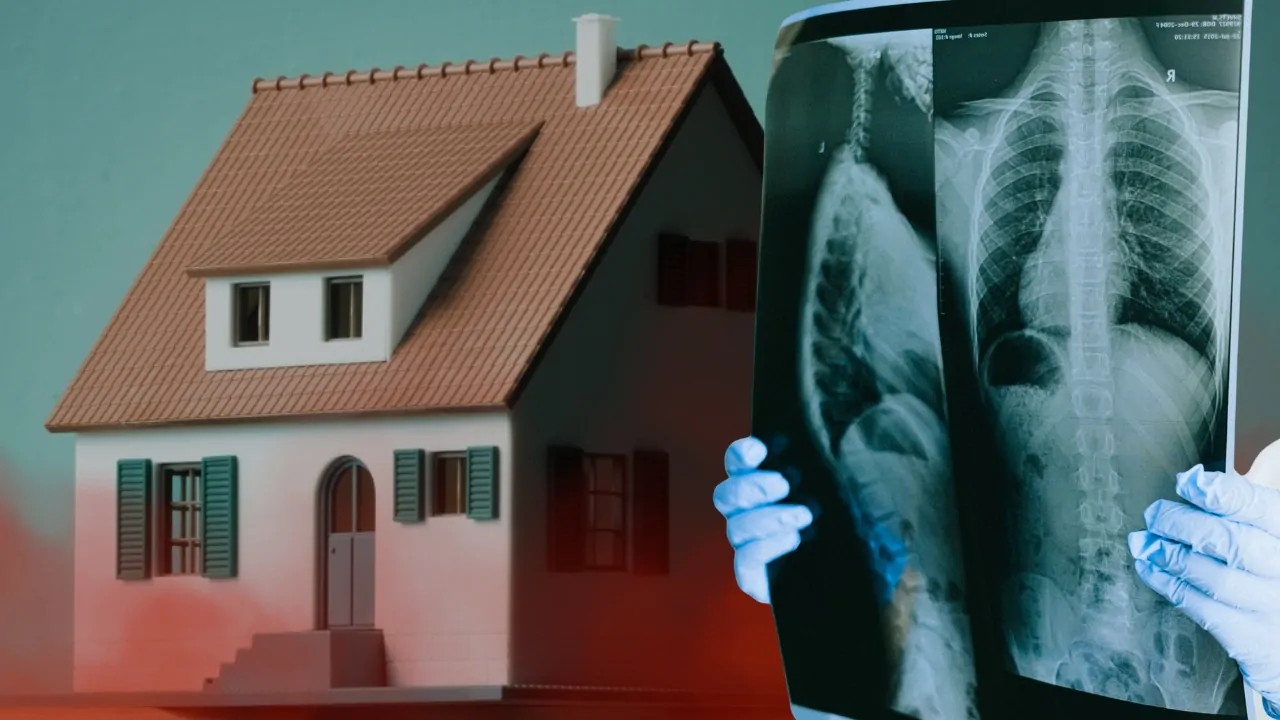
A naturally occurring radioactive gas called radon continues to pose a significant but often overlooked health risk in parts of the United States, particularly in Colorado.
Health estimates suggest that roughly 500 lung cancer deaths each year in Colorado are linked to radon exposure. Across the United States, the annual number attributed to radon is closer to 21,000 deaths, making it one of the leading environmental causes of lung cancer.
Radon itself is invisible, odorless, and tasteless. Outdoors, it usually disperses harmlessly. Problems begin when the gas seeps into buildings and becomes trapped indoors, where prolonged exposure can damage lung tissue over time.
What Radon Actually Is and How It Enters Homes
Radon forms naturally as uranium in soil and rock breaks down. Because uranium is widely present in the Earth’s crust, small amounts of radon exist almost everywhere. The issue arises when geological conditions allow higher concentrations to accumulate.
The gas can enter homes through:
Entry Point
How It Happens
Cracks in foundations
Soil gases seep upward
Basement gaps and drains
Air pressure differences pull gas inside
Crawl spaces
Poor ventilation allows buildup
Construction joints
Tiny structural openings let gas in
New homes are not immune. Even modern construction can allow radon entry if ventilation systems are inadequate.
Why Colorado Has Higher Radon Levels
Colorado’s geology plays a major role. Large areas contain granite-rich rock formations that naturally include uranium. As uranium decays, radon is produced and released into the surrounding soil.
Testing data shows:
Key Statistic
Value
Average indoor radon level in Colorado
About 6.4 pCi/L
EPA recommended action level
4 pCi/L
Homes above the recommended threshold
Roughly 50% of those tested
Homes tested overall
About half of all residences
Radon levels vary widely by county, depending on soil composition, elevation, and building characteristics.
Why Radon Exposure Matters for Health
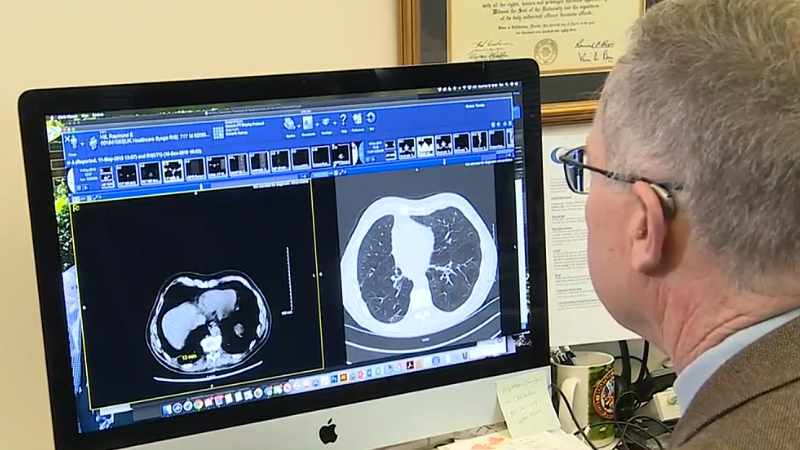
Radon becomes dangerous when inhaled over long periods. As the gas decays, it releases radioactive particles. These particles can damage lung cells by breaking chemical bonds in DNA. If cellular repair mechanisms fail, mutations can accumulate and eventually lead to cancer.
Smoking remains the leading cause of lung cancer overall. However, radon is considered the primary cause among non-smokers. It can also amplify cancer risk significantly when combined with tobacco exposure.
Estimates suggest that about 7 out of every 1,000 non-smokers exposed to elevated radon levels long-term may develop lung cancer.
The risk increases with cumulative exposure — meaning the duration and concentration of exposure both matter.
Many People Do Not Know Their Exposure Level
Radon is an invisible, odorless gas that’s the leading cause of lung cancer among people who’ve never smoked, and it can build up in homes anywhere.
Testing is simple and mitigation systems can reduce levels by up to 99%. Here’s how to lower your risk: https://t.co/WukchqkHiL
— The Conversation U.S. (@ConversationUS) February 21, 2026
Despite the potential health impact, awareness remains uneven. In Colorado, roughly half of homes have never been tested. Because radon cannot be detected by human senses, testing is the only reliable way to determine risk.
Health experts emphasize that even homes in the same neighborhood can have very different radon levels due to small geological and structural differences.
Testing Is Simple and Relatively Affordable
Radon testing typically involves placing a small kit in the lowest livable area of a home for a set period. Tests fall into two main categories:
Test Type
Duration
Purpose
Short-term test
2–90 days
Quick screening
Long-term test
90+ days
More accurate annual average
Many test kits cost under $50, and some public health programs distribute them for free. Testing is recommended, especially during colder months, when homes are sealed more tightly, and radon accumulation may increase.
Recent distribution programs in Colorado found that nearly 40% of returned tests exceeded recommended levels.
How Radon Levels Can Be Reduced
View this post on Instagram
If elevated radon levels are detected, mitigation systems can significantly lower indoor concentrations. These systems typically use fans and piping to redirect radon gas from beneath the home to the outside.
Typical mitigation details:
Measure
Purpose
Ventilation piping
Direct gas outside
Sub-slab depressurization
Prevent soil gas entry
Sealing foundation cracks
Reduce infiltration
Mechanical fans
Maintain airflow
These systems can reduce radon levels by up to 99% and typically cost between $1,000 and $3,000, depending on building structure.
Some assistance programs exist for households with limited income to help cover mitigation costs.
A Preventable Environmental Risk
@tj.radon Did you know it’s Radon? Radon is an invisible gas. The only way to know if your levels are too high is to have your home tested. Head over to tjradon.com and fill out the form to request a radon test ☺️ #Tjradon #radon #radontesting #mnrealestate #homeimprovement ♬ LET ‘EM KNOW – T.I.
Unlike many environmental health hazards, radon exposure is often manageable once identified. Testing, proper ventilation, and mitigation systems can significantly reduce risk.
Public health experts stress that awareness remains the biggest barrier. Because the gas is invisible and symptoms do not appear immediately, many people underestimate its presence.
Understanding local geology, testing homes periodically, and addressing elevated levels early can make a meaningful difference in long-term health outcomes.