
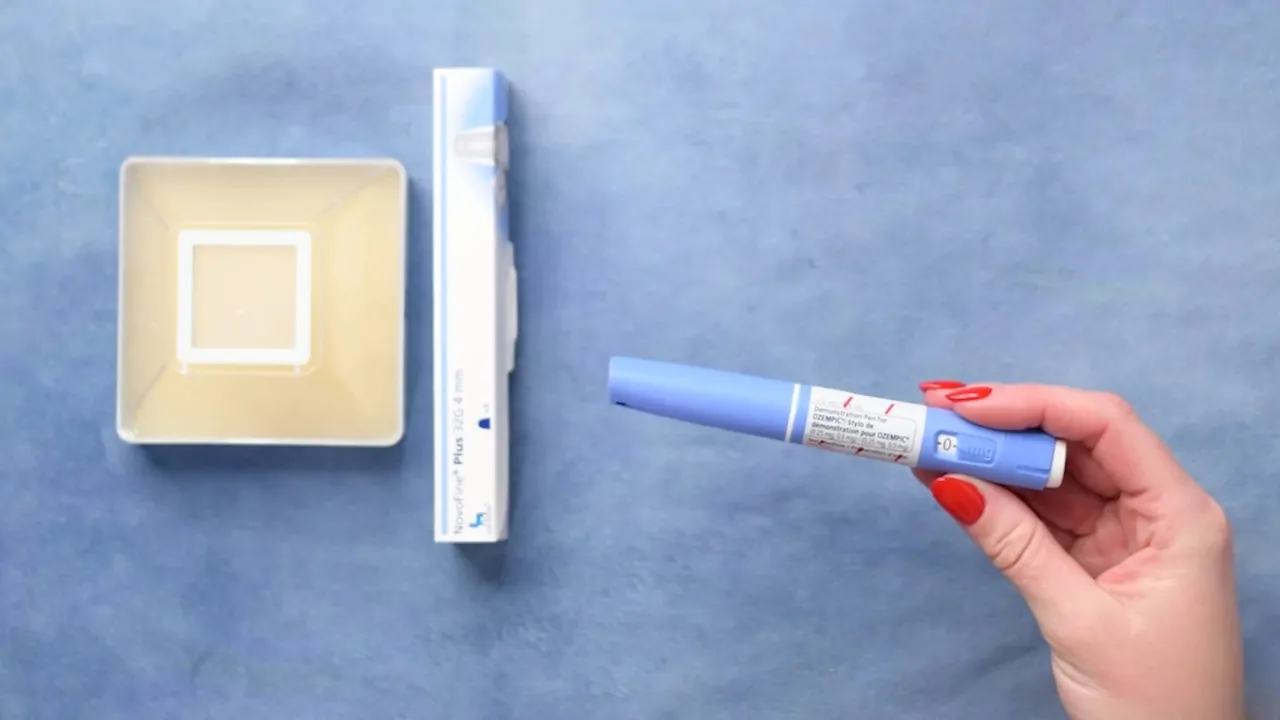
One of the world’s most famous weight-loss and diabetes drugs may be far cheaper than its brand-name price suggests. A new preprint analysis says semaglutide, the active ingredient in Ozempic and Wegovy, could potentially be manufactured for as little as $3 per month once patent barriers fall in parts of the world.
That matters because semaglutide is no niche medicine anymore. It sits at the center of a global market for obesity and type 2 diabetes treatment, yet access remains sharply unequal because branded versions are still priced far above what many patients and health systems can afford.
The researchers argue that as patents expire in countries such as Brazil, China, and India, and in many places where no patent was filed at all, there is a real opening for generic competition to do what it has done before with HIV and hepatitis medicines: push prices down and widen access dramatically.
A Blockbuster Drug With a Bargain-Basement Production Cost
View this post on Instagram
The headline number is what grabs attention: about $3 a month for injectable semaglutide. According to the new analysis, that estimate was built by looking at shipment data for key ingredients and comparing semaglutide with other medicines whose prices fell after patent expiry.
The same paper suggests newer oral formulations could be made for around $16 a month, which is still a tiny fraction of what branded products often cost today.
By contrast, branded semaglutide products have been selling at prices around $200 per month in some markets, while reporting from Bloomberg noted much higher US list-price benchmarks for Ozempic and Wegovy before recent direct-to-consumer pricing changes.
That gap is the real story. This is not just a pricing curiosity or a pharmaceutical trivia item. It is a reminder that the retail price of a blockbuster drug often reflects patent protection, market structure, and brand power far more than raw manufacturing cost. And semaglutide is not a cosmetic fad product.
It is used in the management of type 2 diabetes and obesity, two chronic conditions tied to higher risks of heart disease, stroke, kidney failure, and other serious complications.
The researchers estimate that countries where semaglutide either loses patent protection in 2026 or was never patented account for 69 percent of the global type 2 diabetes burden and 84 percent of the global clinical obesity burden.
That is why this pricing discussion has immediate public-health relevance, especially in low- and middle-income countries where disease burden is high, but drug budgets are tight.
Cheap To Make Does Not Mean Easy To Access
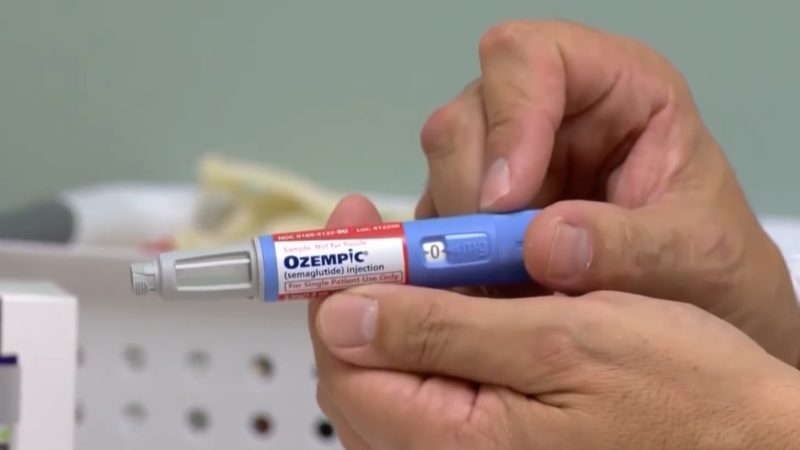
The exciting part of this story is obvious: a medicine that now feels financially out of reach for millions could, in theory, become much more accessible. But the harder part comes next.
The analysis was published as a preprint on medRxiv, meaning it has not yet been peer reviewed.
That does not make it worthless, but it does mean the findings should be treated as an informed estimate rather than a final settled verdict.
Even if the manufacturing estimate holds up, lower-cost access will still depend on patent timing, regulatory approvals, generic competition, supply chains, and whether health systems are prepared to use the drug responsibly as part of broader obesity and diabetes care.
Generic versions of Ozempic and Wegovy could be sold for under $3 a month, a new study shows https://t.co/nkOmdLn9EL
— Bloomberg (@business) March 6, 2026
There is also a useful reality check buried inside the excitement. Cheap semaglutide alone will not solve obesity or diabetes worldwide.
Public-health experts quoted in coverage of the analysis stressed that these medicines need to be integrated into real care systems, not treated as magic bullets. Still, the comparison with earlier global access campaigns for HIV, tuberculosis, malaria, and hepatitis is not just rhetoric.
Those markets showed that when patent walls fall and generic supply scales up, prices can drop from elite-drug territory to something much closer to production cost. If semaglutide follows even part of that path, this could become one of the biggest health-access stories of the next few years.