
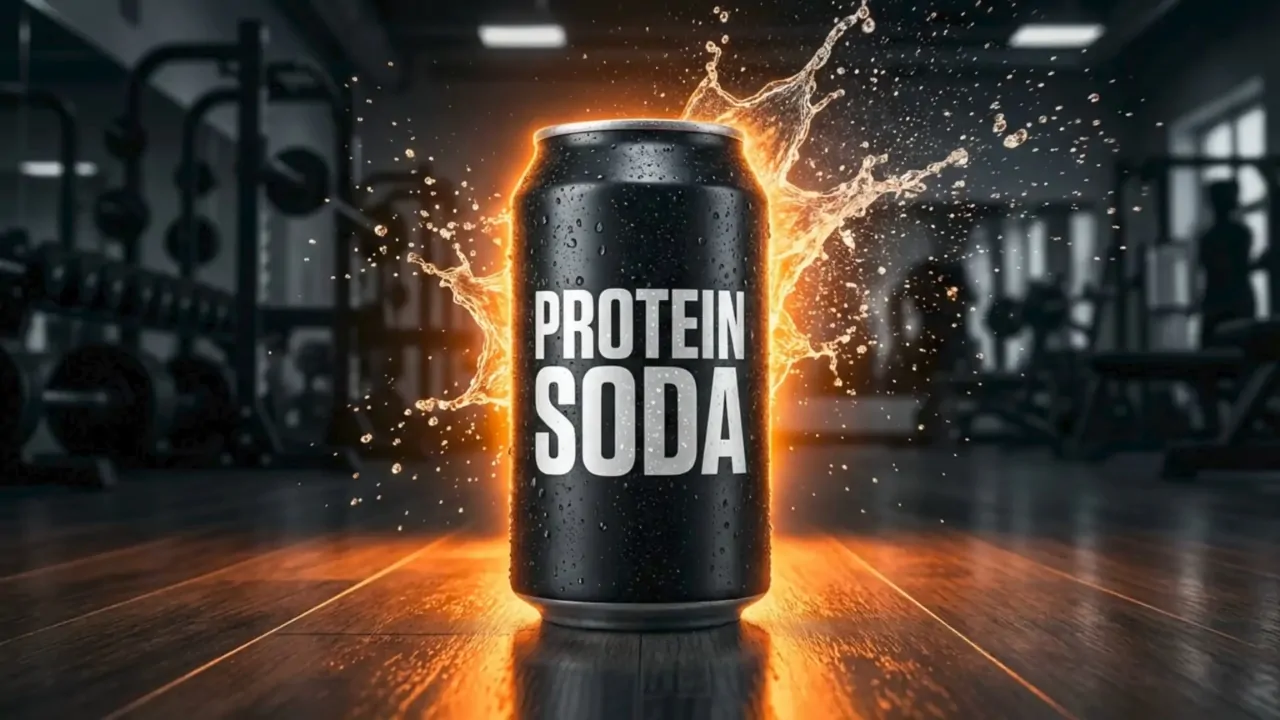
Imagine cracking open a fizzy soda that promises refreshment, wellness, protein, satiety, and maybe even muscle recovery.
Carbonation hisses, bright flavor hits, and somewhere behind all that sweetness-adjacent fun is a nutrient usually linked to tubs of powder, shaker bottles, and gym bags.
Protein soda sounds absurd at first. Soda has long been treated as an indulgence, a sugary treat, a drink people enjoy while knowing it may not fit any serious health goal.
Protein, on the other hand, carries a totally different identity.
Gym culture, macro tracking, meal replacement shakes, athletic recovery, and performance habits all orbit around it.
Why Protein Soda Exists Now?
Protein soda may look like a novelty, but it makes more sense when placed inside several bigger shifts in food, wellness, and consumer behavior.
Protein has moved into everyday life, consumers want benefits without giving up pleasure, and functional beverages have become one of the easiest ways to sell health in a familiar format.
Protein Has Become a Mainstream Wellness Obsession
Protein no longer belongs only to bodybuilders, athletes, or people measuring every gram after a workout.
For many consumers, protein has become a basic part of what health and wellness mean.
Rather than a passing trend, it now works as a foundation ingredient, one that signals strength, satiety, energy, and smarter eating.
Food and beverage makers have already spent years adding it to snacks, bars, yogurts, cereals, coffees, waters, desserts, and frozen foods.
After protein-heavy products saturated many shelves, the nutrient became table stakes for the general population.
In other words, a product with added protein no longer feels extreme. It feels normal.
Proteinification of everything captures the moment well. It is no longer confined to one aisle or one type of consumer.
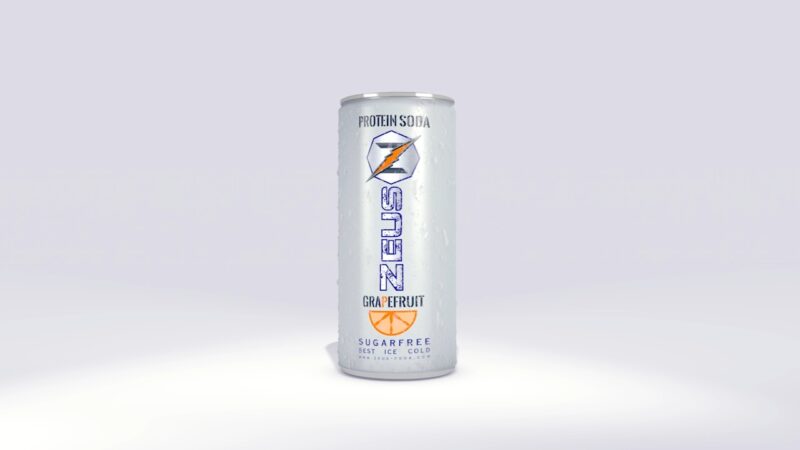
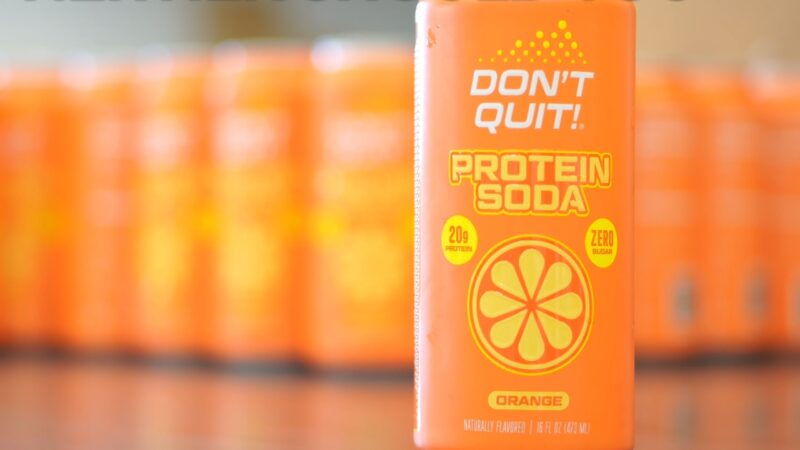
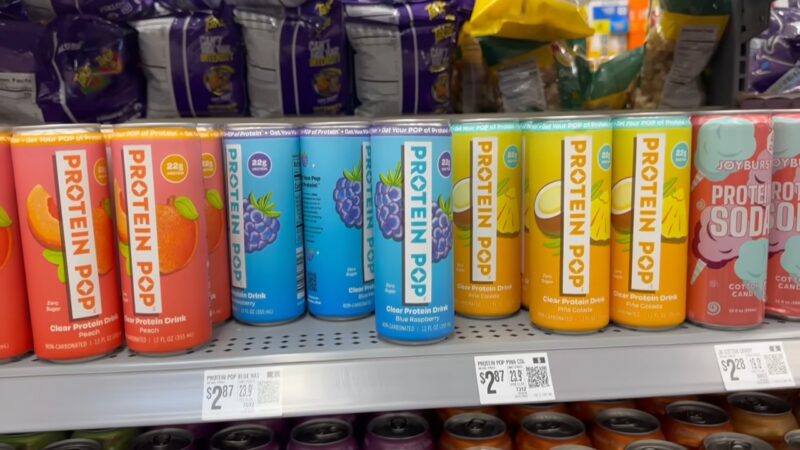
Protein soda is one of the most eye-catching results of that shift. A category once associated with sugar and empty calories can now be reframed as a delivery system for a mainstream wellness nutrient. Nutrition alone does not explain protein soda. Convenience, flavor, and fun matter just as much. A thick shake may deliver protein, but it can feel heavy, chalky, serious, or too tied to a workout routine. A protein bar can feel practical but not always exciting. A fizzy can of soda feels casual. Soda already plays a role in daily life for millions of people. Consumers know how to drink it, when to drink it, and why they want it. Protein soda slips into an existing habit instead of asking people to build a new one. Many target buyers are not counting macros before a workout. They may simply want refreshment that does not feel like a compromise. Protein is showing up where consumers already are, especially in canned, pre-packaged formats that match existing beverage preferences. That detail matters. Protein soda does not ask consumers to scoop powder, wash a shaker, or enter a supplement store. They just open a can. Protein soda also belongs to a larger wave of drinks that promise added benefits. Functional beverages are now expected to do more than hydrate or taste good. Many claim to support gut health, skin, energy, focus, mood, recovery, satiety, or longevity. Protein sodas already check many boxes for modern consumers: function, flavor, convenience, portability, and social-media-friendly novelty. They work as beverages, snacks, wellness signals, and content objects all at once. Consumer interest has expanded around ingredients tied to physical and emotional health. Longevity ingredients are also moving into drink formats, with NAD consumer-interest growth projected at 29.6% year over year for 2026. Protein soda fits into that same pattern: familiar drinks carrying benefits that once belonged to supplements. Before getting into why the product feels strange, it helps to define it plainly. Protein soda is not a full meal replacement, and it is not simply a shake with bubbles. It is a canned, carbonated, soda-like drink with added protein. Most versions look similar to standard sodas and often come in standard-size cans. Flavors tend to be bright, familiar, and easy to understand, such as fruit, cream soda, cola-inspired, or citrus-style profiles. Protein levels vary by brand, but many protein sodas contain around 10 grams per can. Some go much higher. That connection matters because whey is still one of the most familiar protein formats for everyday supplement users, with products like whey protein offering concentrate, isolate, and goat whey options made with simple, clean-leaning ingredient positioning. One early product in the category debuted with 22 grams of whey protein isolate, giving it a count closer to a shake while still using a soda-like format. Brand positioning often includes low sugar, low calorie counts, bright flavors, better-for-you branding, no artificial ingredients, and a tone that is lighter than old-school gym nutrition. Consumers want performance benefits like sustained energy, satiety, and muscle recovery, but in drinks that feel light, refreshing, and easy to add to daily routines. One side is pleasure, nostalgia, fizz, and sweetness. Another side is discipline, macros, recovery, and gym culture. Soda means pleasure, nostalgia, carbonation, sweetness, childhood habits, fast food meals, movie theaters, and treats. Protein means discipline, health tracking, powders, recovery, and macro counting. Strangeness comes when brands try to make soda feel purposeful. A product once associated with empty calories now asks to be read as useful. A can that used to signal indulgence now signals function. Gone are the days when drinks only meant serious whey shakes at the gym. Protein soda makes the category more playful. It takes a nutrient associated with effort and puts it inside a format associated with ease. Protein soda is not only about nutrition. It is also about signaling. Carrying a can of protein soda communicates that a person wants the fun drink, but also wants the wellness upgrade. Its cultural neighbors include prebiotic soda, collagen water, adaptogen drinks, greens powders, mushroom coffee, electrolyte sticks, and functional everything. Health claims that once spoke to niche groups now shape mainstream food and beverage innovation. Social media influencers, diet fads, and GLP-1 medications have helped create dozens of micro-trends around ingredients promising mood or health benefits. Protein soda can spread quickly in that environment because it is easy to film, easy to explain, and just strange enough to make people curious. Protein soda is also trending as part of wellness routines, not only workout routines. That gives it access to people who want small health upgrades without adopting an intense fitness identity. Protein soda sounds ridiculous because wellness culture itself has gotten ridiculous. Yet it also makes clear market sense. Consumers want health benefits in familiar formats. They want pleasure without feeling careless. They want small upgrades that fit daily life instead of total routine changes. They want treats that can justify themselves. The line between treat, supplement, and lifestyle product is getting blurry.
Consumers Want Wellness without Giving up Pleasure
Functional Beverages Are Booming
What Exactly Is Protein Soda?
Why It Feels Weird
Protein soda feels strange because it combines two identities that used to sit on opposite sides of the food culture map.Opposite Identities in One Can
Wellness as A Vibe
FAQs
Summary