


Hormone balance matters because hormones help regulate metabolism, blood sugar, sleep, stress response, appetite, reproduction, thyroid function, and energy use. When that system is off, the effects can show up as fatigue, poor sleep, weight changes, irregular periods, low libido, mood changes, acne, reduced muscle mass, or trouble concentrating.
This is not a fringe issue. In the United States, about 15.8% of adults have diabetes, about 2 in 5 adults have obesity, nearly 5 out of 100 Americans age 12 and older have hypothyroidism, and PCOS affects many women, with androgen excess seen in 60% to 80% of cases.
Those numbers do not mean every case is caused by “hormone imbalance,” but they show how central hormone-related systems are to public health according to the CDC.
What Natural Hormone Balance Actually Means
Natural hormone balance does not mean making every hormone “higher.” It means your body is producing, releasing, and responding to hormones in a healthy range and rhythm.
Cortisol should rise and fall in a normal daily pattern.
Insulin should help move glucose into cells without chronic overload. Thyroid hormones should support normal energy use.
Sex hormones should match age, sex, life stage, and overall health. The point is stability and function, not chasing internet trends or trying to force hormones upward with random supplements.
Why Hormone Balance Is Crucial For Long-Term Health
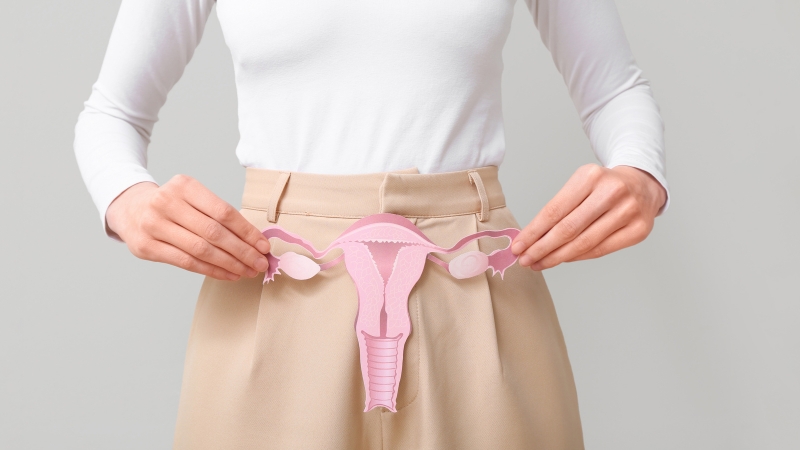
A healthy hormone system affects far more than reproductive health. Poor sleep can disrupt cortisol and glucose regulation. Chronic stress can push the hypothalamic pituitary adrenal axis into a pattern that raises cortisol and worsens insulin resistance.
Low physical activity makes metabolic regulation worse, while regular movement influences endocrine function in a positive way. This is one reason hormone health is tied to larger outcomes such as weight control, diabetes risk, cardiovascular strain, and healthy aging.
The numbers behind those risks are concrete. CDC data show that more than one-third of U.S. adults report sleeping less than 7 hours, 24.2% of adults meet both aerobic and muscle-strengthening guidelines, and 46.3% meet neither guideline.
At the same time, 15.8% of adults have diabetes and about 2 in 5 U.S. adults have obesity. None of these figures proves a single hormonal cause, but together they show how common the lifestyle patterns are that can disturb endocrine health and how large the downstream health burden has become.
Signs Your Hormones May Need Attention
The most common signs are not glamorous, but they are useful. Persistent tiredness, brain fog, increased abdominal fat, cravings, sleep disruption, irritability, heat or cold intolerance, irregular menstrual cycles, new acne, hair thinning, reduced exercise recovery, and unexplained changes in sexual function can all justify a closer look.
In women, PCOS can involve irregular ovulation and androgen excess. In men, sleep loss and aging can affect testosterone and cortisol balance. Thyroid disease can also mimic general burnout because it changes how the body uses energy.
The Most Effective Natural Ways To Improve Hormone Balance

Prioritize Sleep Like It Is Treatment
Sleep is one of the strongest natural hormone regulators you control every day. It affects cortisol, insulin sensitivity, appetite signaling, and reproductive hormones.
CDC data show more than one-third of adults do not get enough sleep, and separate national data show 14.5% of adults had trouble falling asleep while 17.8% had trouble staying asleep.
When sleep is short or fragmented, the endocrine system has to work under stress instead of on schedule. A practical target for most adults is consistent sleep timing and enough total sleep each night, not just more time in bed on weekends.
Improve Blood Sugar Stability
Blood sugar swings do not just affect diabetes risk. They also affect insulin, appetite, energy, and fat storage. With U.S. adult diabetes prevalence at 15.8%, this is not a minor issue.
Meals built around protein, fiber, and minimally processed carbohydrates generally support steadier glucose control than meals dominated by refined starches and sugar. That means fewer sharp spikes, fewer crashes, and less hormonal strain on insulin pathways over time.
Use Exercise As A Hormone-Regulating Tool
Physical activity influences insulin sensitivity, stress hormones, sleep quality, and body composition. Yet only 24.2% of adults meet both aerobic and muscle-strengthening guidelines, while 46.3% meet neither. That gap matters.
The most useful approach for hormone balance is not extreme training. It is consistent training. A weekly mix of walking or cardio, plus resistance work that preserves muscle, tends to support healthier endocrine responses than long stretches of inactivity followed by occasional hard workouts.
Reduce Chronic Stress Instead Of Normalizing It
Stress is unavoidable. Chronic stress is the problem. When stress becomes constant, cortisol signaling can stay elevated or become dysregulated, and that can affect sleep, glucose handling, appetite, and recovery.
This is one reason people under prolonged stress often feel wired and tired at the same time.
Natural stress reduction is not a vague wellness slogan. It means practical behaviors that lower total load: better sleep timing, fewer late-night work sessions, exercise that does not become overtraining, and deliberate recovery time.
Maintain a Healthy Weight without Crash Dieting

Body fat is not just stored energy. It is a metabolically active tissue that influences hormones and inflammation. CDC states that about 2 in 5 U.S. adults have obesity, which is linked to multiple chronic diseases. Aggressive dieting can also backfire by worsening stress, sleep, recovery, and adherence.
The better strategy is a sustainable calorie pattern with adequate protein, regular movement, and enough sleep. Slow improvement is usually more protective of hormone health than repeated cycles of restriction and rebound.
Check Your Thyroid When Symptoms Fit
Many people use the phrase “hormone imbalance” when the real issue is an undiagnosed thyroid disorder. NIDDK says nearly 5 out of 100 Americans age 12 and older have hypothyroidism, and about 1 out of 100 have hyperthyroidism.
If someone has persistent fatigue, constipation, feeling cold, dry skin, hair changes, palpitations, or unexplained weight shifts, thyroid testing is more useful than guessing. Natural health habits still matter, but they do not replace diagnosis when symptoms strongly suggest a thyroid problem.
Do Not Confuse “Natural Support” With Research Chemicals
This part matters because the market around hormones is full of confusion. Some websites sound like wellness brands while actually selling research materials, not consumer health products.
For example, Modern Aminos states on its site that its compounds are strictly for laboratory and research use only, are not approved for human consumption, and should not be used for non-laboratory purposes. That is an important distinction.
If you are trying to improve natural hormone balance, the evidence-based first line is sleep, nutrition, exercise, weight management, and appropriate medical testing, not self-experimentation with research compounds.
When Hormone Symptoms Affect Fertility
View this post on Instagram
Hormone health also matters for fertility. CDC data from the National Survey of Family Growth report updated national estimates of infertility and impaired fecundity in women and men in the United States. Disorders such as thyroid disease, PCOS, and severe metabolic dysfunction can interfere with ovulation, sperm quality, and cycle regularity.
That does not mean every fertility problem is hormonal, but it does mean cycle changes, acne, excess hair growth, low libido, erectile changes, or unexplained infertility should not be brushed off as “just stress” without proper evaluation.
What A Practical Hormone-Friendly Routine Looks Like
A realistic hormone-supportive routine is boring in the best way. Go to sleep at roughly the same time. Eat meals that do not leave you crashing two hours later. Train several times per week. Keep body weight moving in a healthier direction if needed.
Reduce alcohol excess. Avoid smoking. Get evaluated when symptoms persist. None of that is trendy, but it is the pattern most consistently supported by endocrine and public health evidence.
Simple Numbers That Put The Issue In Perspective
Hormone-Related Health Indicator
Current Figure
U.S. adults with obesity
About 2 in 5
U.S. adults with total diabetes
15.8%
U.S. adults meeting both aerobic and strength guidelines
24.2%
U.S. adults meeting neither aerobic nor strength guidelines
46.3%
U.S. adults reporting less than 7 hours of sleep
More than one-third
Americans age 12+ with hypothyroidism
Nearly 5 in 100
Americans age 12+ with hyperthyroidism
About 1 in 100
Women with PCOS who show androgen excess
60% to 80%
When To See A Doctor Instead Of Trying To “Fix” It Yourself
See a clinician if symptoms are persistent, severe, or new. That includes missed periods, infertility, nipple discharge, rapid weight change, severe fatigue, palpitations, heat or cold intolerance, erectile dysfunction, dramatic hair loss, or symptoms suggesting adrenal crisis or major thyroid dysfunction.
True endocrine disorders need testing, and some are serious. NIDDK notes that adrenal insufficiency is rare, but adrenal crisis can be life-threatening. Hormone health should be respected, not guessed at.
Bottom Line

Improving natural hormone balance is crucial because hormones regulate many of the systems that keep you functioning well every day: energy, sleep, metabolism, appetite, fertility, stress response, and healthy aging.
The most effective natural strategies are also the least flashy: better sleep, better blood sugar control, regular exercise, lower chronic stress, healthier body composition, and proper testing when symptoms suggest a real endocrine disorder. The numbers show this matters on a large scale, not just at an individual level.