
For centuries, people have told the same eerie story. In the instant between life and death, time seems to break apart. Memories rush back. Familiar faces appear.
Entire lifetimes feel as if they unfold in a single breath. It sounds like folklore, the kind of thing you hear in religion, myth, or whispered accounts from people who came frighteningly close to the end.
But now science is starting to look directly at that final threshold, and what researchers are finding is far more unsettling and fascinating than most people realize.
The old assumption was simple. The heart stops, the brain shuts down, and that is the end of the story. Clean. Immediate. Final. Except it may not be that simple at all.
Evidence from recent studies suggests the brain does not go dark the moment the heart stops beating. In fact, for a short but extraordinary window, it may do something quite different. It may surge.
View this post on Instagram
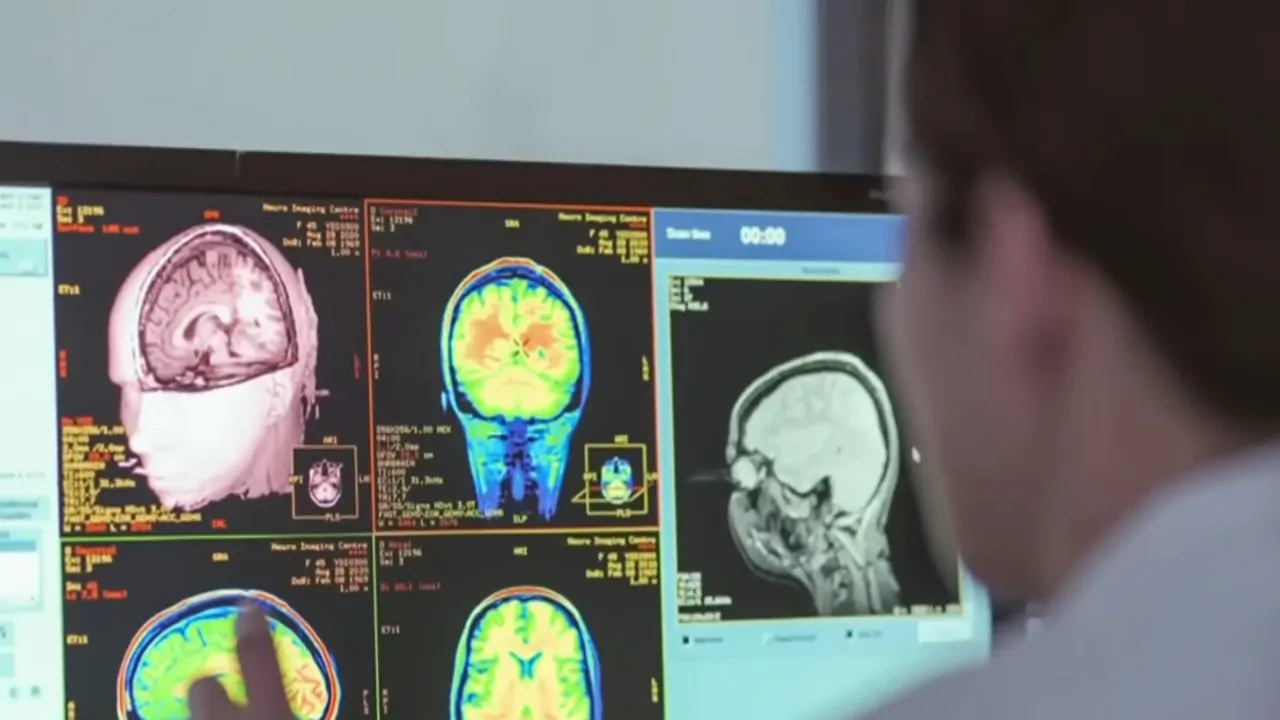
That possibility moved from speculation to serious discussion after a remarkable case recorded in 2022. Doctors in Canada were monitoring an 87-year-old man with epilepsy when he unexpectedly went into cardiac arrest. Because he was already connected to EEG equipment, his brain activity was being recorded in real time as he died.
What appeared on the screen caught global attention. Even after the heart stopped, the brain showed organized patterns of activity, including gamma oscillations, the same kinds of brain waves associated with memory, awareness, dreaming, and deep internal focus.
Think about that for a moment. At the very edge of death, when the body was failing, the brain did not appear to collapse into silence. It appeared to remain active in ways that looked surprisingly familiar, almost as if it were reaching back through memory one last time.
Why The “Seven Minutes Of Life” Idea Has Captured So Much Attention
That is where the now widely repeated idea of “seven minutes of life” enters the conversation. The phrase is dramatic, maybe too dramatic, but it points to something real. When the heart stops pumping, blood flow to the brain ends. Yet neurons do not die all at once.
For a brief stretch, they remain alive enough to react to the sudden loss of oxygen. In that unstable state, the brain can produce bursts of electrical activity, and some scientists believe those bursts may help explain reports of vivid near-death experiences.
This is where the story becomes impossible to ignore. People who survive cardiac arrest often describe scenes that are strangely consistent. They report seeing bright light, feeling detached from the body, hearing voices, or reliving major moments from their lives with impossible clarity.
Some describe it as peace. Others describe it as overwhelming. A few claim they perceived details from the room around them even while they were considered clinically dead.
Researchers such as Dr. Sam Parnia, through the AWARE studies, have spent years examining those accounts. The results do not prove supernatural explanations, and careful scientists are right to avoid jumping to conclusions.
But they do suggest something important. The line between life and death may be less immediate, less neat, and far more biologically active than most of us were taught.
One explanation is brutally physical. As oxygen disappears, the dying brain is flooded by chemical changes. Neurotransmitters such as glutamate can surge, overstimulating neurons and triggering abnormal but highly synchronized firing.
In plain language, the brain may enter a final state of hyperactivity before systems begin to fail completely. Under those conditions, memory fragments, sensory distortions, emotional intensity, and altered awareness could all erupt at once.
Animal studies have hinted at this for years. In rats, researchers observed spikes of coherent brain activity shortly after cardiac arrest. Human findings, while rarer and much harder to capture, now suggest something similar may happen in us as well.
Not for hours. Not indefinitely. But long enough to force serious questions about what consciousness is doing in the final moments of biological collapse.
Death May Be A Process, Not A Single Instant
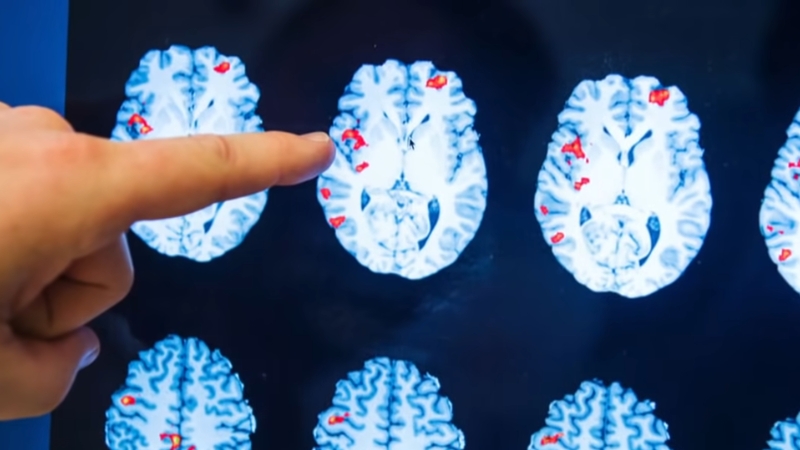
And that is the part that unsettles people. If the brain can remain active after the heart stops, what exactly counts as the end? Is death a single moment, or is it a process with stages we are only beginning to understand?
Medicine has already moved away from the old idea that death is instantaneous. These findings push that rethink even further.
They also reopen one of humanity’s oldest arguments. Are these final experiences nothing more than a brain under extreme stress, generating one last storm of electrical chaos? Or are they touching something deeper, something science can describe but not fully explain?
Neuroscience leans toward biology. Spiritual traditions see transition, passage, and even meaning. The truth may be less cinematic than either side wants, but it is clearly more complex than silence.
That complexity matters in the real world. It affects how doctors define death. It affects how long medical teams observe a patient after cardiac arrest. It affects how families understand the final moments of someone they love.
Most of all, it changes the emotional picture. The dying brain may not vanish in an instant. It may fight, flare, remember, and process more than we once believed.
So the next time someone says death is a moment, not a process, the science suggests otherwise. The heart may stop first. But the brain, incredibly, may have one last word.