
Many people recover from minor falls without a lasting effect on survival, while a hip fracture, serious head injury or extended period of immobility can mark the start of a major decline.
The outcome depends on the injury, age, frailty, heart and lung health, cognitive status, mobility before the fall and how quickly treatment begins. The fall itself is only one part of the prognosis. Pneumonia, blood clots, infection, delirium and loss of physical conditioning can influence survival during the following weeks and months.
Current data show why families and clinicians take every fall seriously. More than 14 million Americans aged 65 and older report falling each year. Falls remain the leading cause of fatal and nonfatal injury in this age group.
The latest provisional national data place the age-adjusted fall death rate for adults aged 65 and older at 78.4 deaths per 100,000 in 2024, up 21% from 2018. Risk rises sharply with age and is highest among people aged 85 and older.
- About one in four adults aged 65 and older reports a fall each year.
- Approximately 37% of older adults who fall report an injury requiring medical care or limiting activity.
- A minor fall does not automatically shorten life expectancy.
- Hip fractures carry a median one-year mortality of about 22% in recent research.
- Older age, dementia, frailty, heart failure and kidney disease are associated with poorer survival.
- Early surgery, rehabilitation and prevention of a second fall improve the chances of recovery.
How Much Can a Fall Reduce Life Expectancy?
A fall without a serious injury may have little effect on life expectancy. The prognosis changes when the fall causes a major fracture, intracranial bleeding or a prolonged inability to walk.
Doctors therefore estimate risk by looking at the injury and the overall condition of the patient rather than assigning one number to every fall.
| Outcome After a Fall | General Effect on Prognosis |
|---|---|
| No fracture or major head injury | Many patients recover, although the fall may reveal balance problems, medication effects or underlying frailty. |
| Hip fracture | Associated with substantial one-year mortality, reduced mobility and a higher likelihood of long-term care. |
| Traumatic brain injury | Outcome depends on the type of bleeding, neurological damage, anticoagulant use and treatment delay. |
| Vertebral compression fracture | Can lead to chronic pain, reduced movement, breathing difficulty and additional fractures. |
| Extended time on the floor | Raises the risk of dehydration, kidney injury, hypothermia, pressure injury and infection. |
A serious fall also serves as a marker of health that was already declining. Weak leg muscles, osteoporosis, impaired vision, dementia and cardiovascular disease can contribute to the fall and make recovery more difficult afterward.
Falls Among Older Adults Are Increasing
Falls are common enough to be treated as a major public-health issue rather than an unavoidable part of aging.
More than 14 million older Americans report falling during a typical year. An estimated nine million sustain an injury that requires treatment or restricts normal activity for at least one day.
Many incidents are never reported to a physician. An older person may dismiss the fall because there was no obvious fracture, feel embarrassed or worry that family members will question whether independent living remains safe.
That silence can delay the identification of treatable risks such as low blood pressure, poor vision, medication interactions, muscle weakness or an unsafe home environment.
Age Changes the Risk
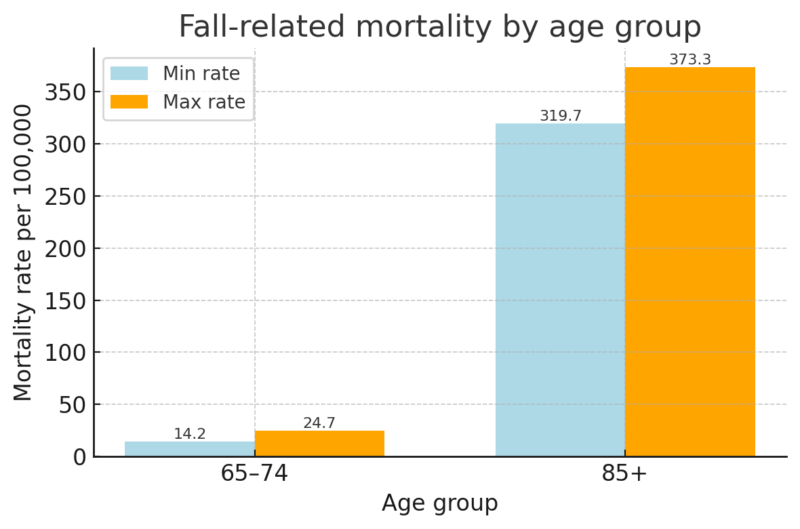
The chance of dying from a fall increases substantially with age. Final 2023 data showed an overall fall death rate of 69.9 per 100,000 among adults aged 65 and older.
Among men aged 85 and older, the rate reached 373.3 per 100,000. The corresponding rate for women was 319.7.
Those figures describe deaths recorded across an entire population. They do not mean that an individual aged 85 has a 32% or 37% chance of dying after one fall.
Men Have Higher Fall Death Rates
Women report more falls and sustain more osteoporotic fractures, but men have higher fall-related death rates.
In 2023, the rate was 74.2 deaths per 100,000 for men aged 65 and older and 66.3 for women. Differences in medical conditions, injury patterns, risk-taking, muscle loss and delays in seeking treatment may contribute.
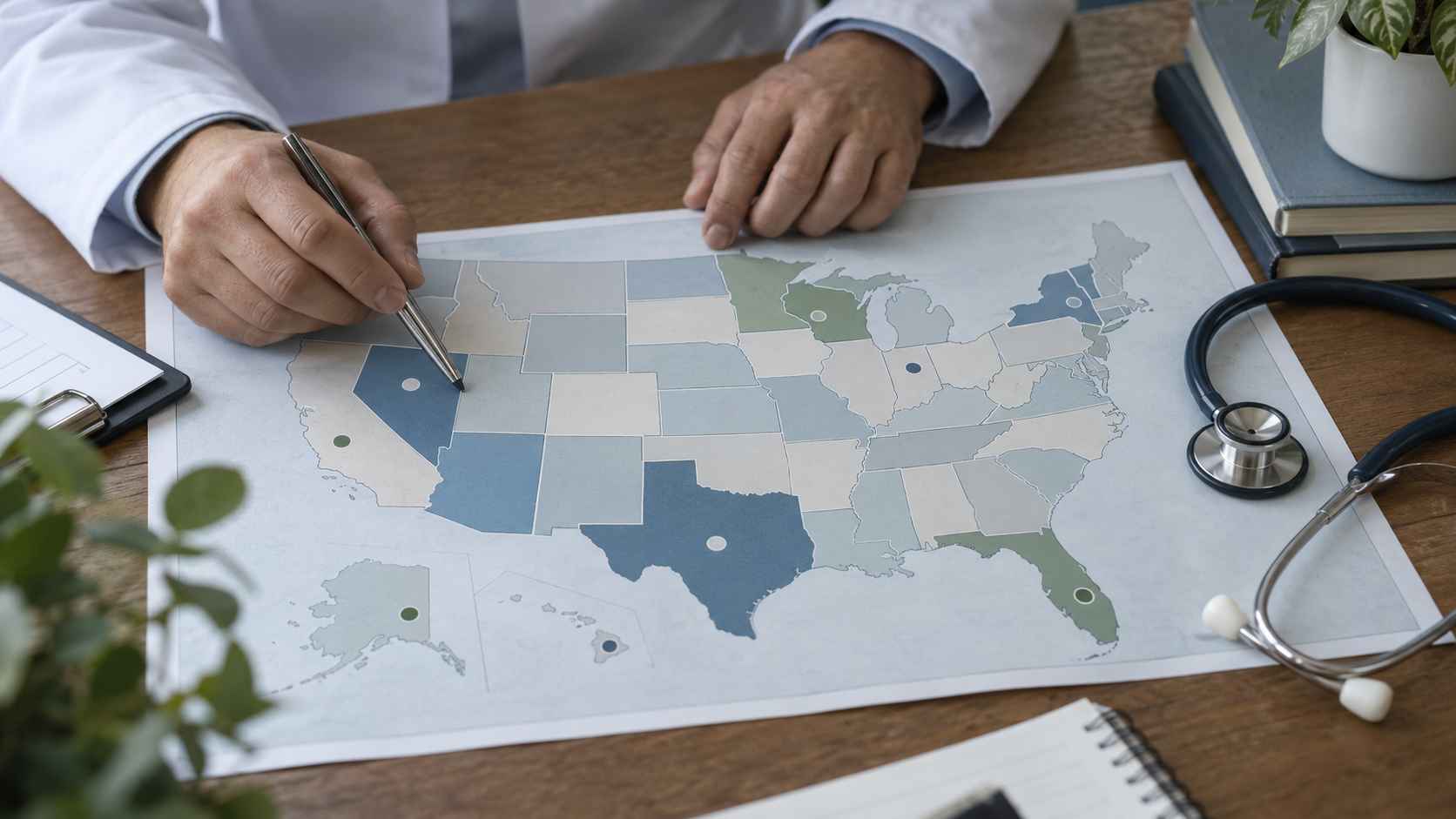
State Rates Differ Widely
| Location | 2023 Fall Death Rate per 100,000 |
|---|---|
| Alabama | 29.5 |
| United States | 69.9 |
| Wisconsin | 158.4 |
Differences in age structure, reporting, climate, rural access to trauma care and health conditions can influence state rates. The numbers alone do not prove that winter weather caused every difference.
Why a Ground-Level Fall Can Become Serious
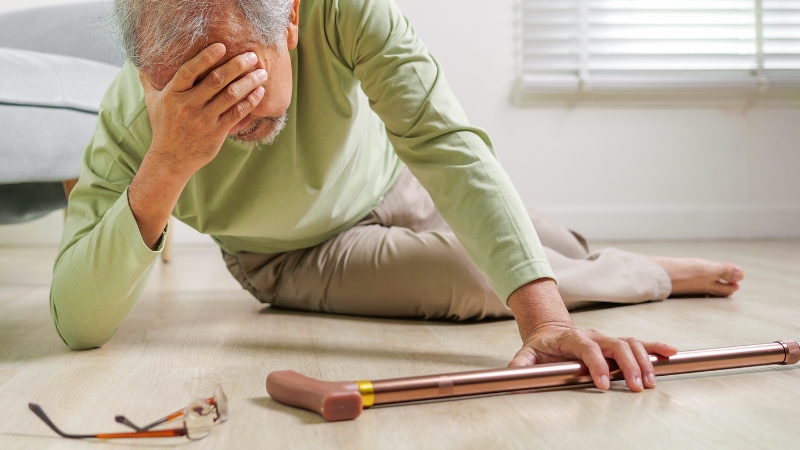
Most falls in older adults occur from standing height rather than from roofs or ladders. The distance may be limited, but the body has less capacity to absorb the impact.
Several age-related changes increase the chance of severe injury:
- Osteoporosis: Weakened bones fracture under forces that a younger skeleton could withstand.
- Sarcopenia: Loss of muscle reduces balance, protective reactions and cushioning during impact.
- Slower reflexes: The hands and arms may not move quickly enough to protect the head or hip.
- Blood-thinning medication: Anticoagulants increase concern about internal or intracranial bleeding.
- Frailty: Limited physical reserve makes surgery, hospitalization and rehabilitation harder to tolerate.
A fall can also be the first visible sign of an infection, irregular heartbeat, stroke, dehydration or medication side effect. Medical evaluation should therefore address why the fall occurred as well as the resulting injury.
Hip Fractures Have the Clearest Effect on Survival
A hip fracture is one of the most serious fall injuries in later life. More than 280,000 people in the United States experience a hip fracture each year.
A 2026 clinical review reported a median one-year mortality rate of approximately 22%. Earlier studies have produced higher or lower results depending on age, sex, health status and the type of patients included.
Another large 2026 study covering almost 200,000 adults aged 65 to 90 found one-year mortality of 11.6%. That lower figure illustrates why no single percentage applies to every patient.
Men generally have poorer survival than women after a hip fracture. Older patients and those with dementia, cancer, kidney disease, heart disease or chronic lung disease also face greater risk.
Survival After Hip-Fracture Surgery
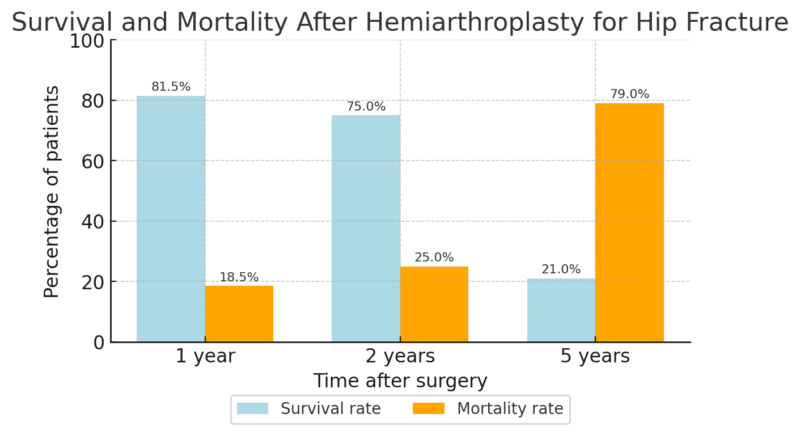
Surgery is generally recommended because remaining in bed with an untreated fracture carries serious risks. Joint replacement or fixation with metal hardware allows earlier movement and reduces pain.
Survival still depends on more than successful surgery. Delirium, pneumonia, blood clots, heart complications and loss of muscle can develop during hospitalization.
Prompt treatment, coordinated geriatric care and early physical therapy are associated with better results.
Independence After a Hip Fracture
Survival does not always mean a return to the previous level of independence.
A recent clinical review found that approximately 42% to 71% of patients recover their previous ability to perform basic daily activities within six months. The wide range reflects major differences among patients and rehabilitation programs.
Some people return home and walk independently. Others require a cane, walker, home assistance or permanent residential care.
Recovery is more difficult when the patient already needed help with bathing, dressing or walking before the fracture.
Traumatic Brain Injury After a Fall
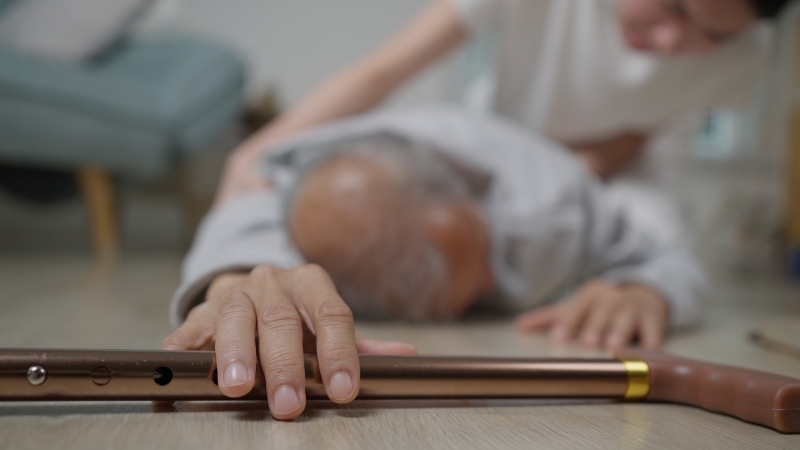
Falls are a major cause of traumatic brain injury among older adults. The injury may involve a concussion, brain contusion, subarachnoid hemorrhage or subdural hematoma.
Age-related brain shrinkage stretches the small veins between the brain and skull. A fall can tear those vessels, allowing blood to collect gradually.
Symptoms may appear immediately or develop over several hours or days. Warning signs include:
- Increasing confusion or unusual sleepiness
- Severe or worsening headache
- Vomiting
- Weakness on one side
- Difficulty speaking
- Loss of consciousness
- A new seizure
- Unsteady walking after the fall
Any head impact deserves prompt attention when the person takes warfarin, apixaban, rivaroxaban, dabigatran or another blood thinner.
Mortality Depends on the Brain Injury
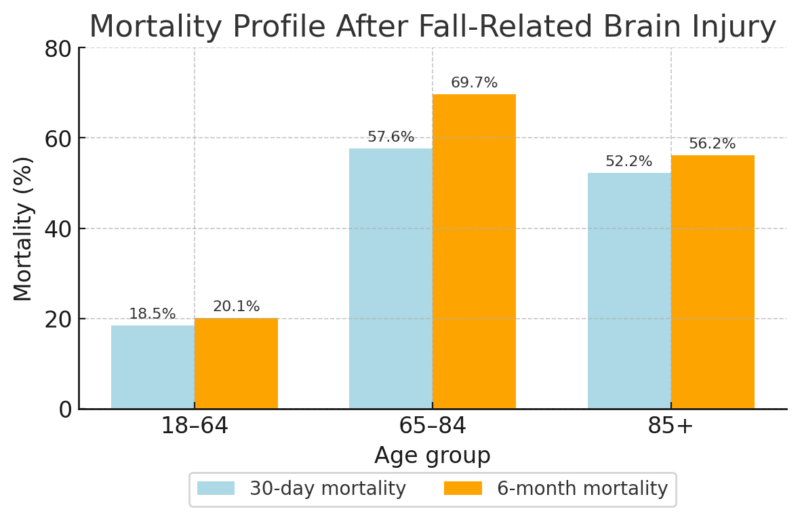
A universal one-year mortality figure for all fall-related brain injuries would be misleading. A mild concussion and a large subdural hematoma have very different outcomes.
Prognosis depends on the size and location of the bleed, neurological condition on arrival, treatment delay, age, frailty and use of anticoagulants.
Chronic subdural hematoma can remain dangerous long after hospital discharge because it frequently occurs in medically complex older patients.
Vertebral Compression Fractures Can Be Missed
A vertebral compression fracture occurs when weakened spinal bone collapses. It may follow an obvious fall, although osteoporosis can allow the fracture to develop after a minor movement.
The injury can cause sudden back pain, loss of height, a curved posture and reduced mobility. Some fractures produce limited symptoms and remain undiagnosed.
Vertebral fractures are associated with higher long-term mortality, but the fracture does not act alone. Patients with these injuries are generally older, have weaker bones and carry a greater burden of chronic disease.
Pain and spinal deformity can reduce physical activity and restrict breathing. Lower mobility increases the risk of further falls, muscle loss and respiratory infection.
The earlier article attributed a fixed percentage of vertebral-fracture deaths to pneumonia using a general World Health Organization page. That source does not support a specific percentage for vertebral-fracture patients, so the claim has been removed.
How a Fall Can Cause a Delayed Decline
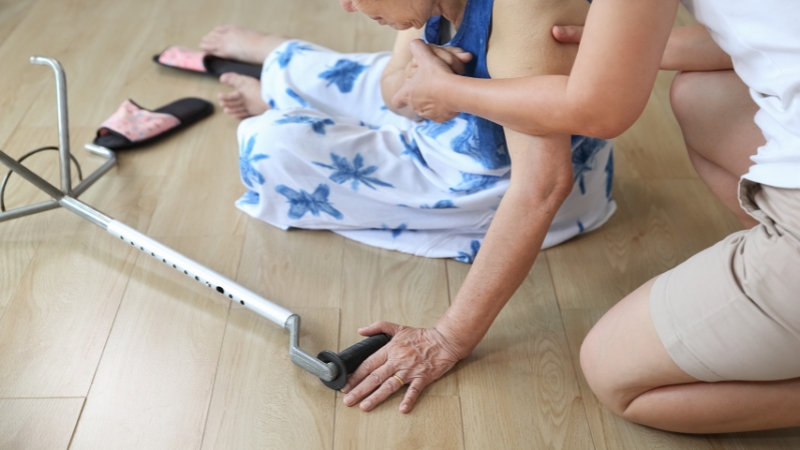
A fall rarely causes every later complication directly. The larger danger is the sequence that follows a serious injury.
Extended Time on the Floor
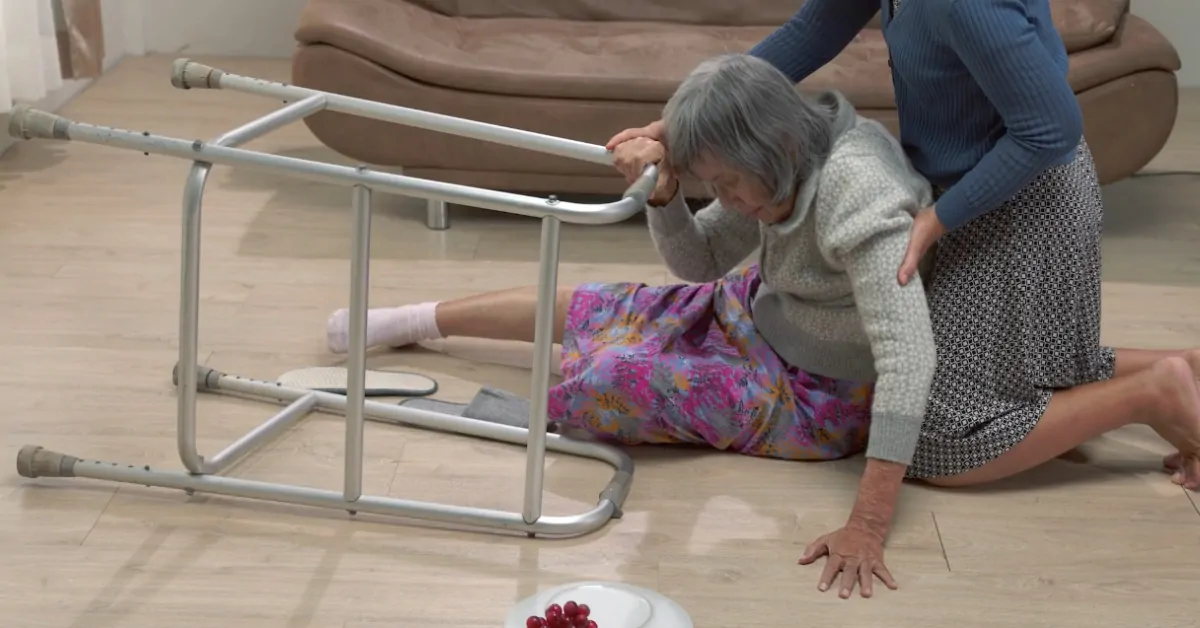
An older person who cannot get up may remain on the floor for hours. This is sometimes called a long lie.
Possible complications include:
- Dehydration
- Hypothermia
- Pressure injuries
- Muscle breakdown
- Acute kidney injury
- Delayed treatment of the original fracture or head injury
A medical alert device, wearable fall detector or regularly scheduled check-in can shorten the time before help arrives.
Immobility and Blood Clots
Fractures and bed rest slow blood flow through the legs. A clot can form in a deep vein and travel to the lungs, producing a pulmonary embolism.
Hospitals reduce this risk through blood-thinning medication, compression devices and early movement when medically safe.
Pneumonia and Infection
Pain and weakness can reduce deep breathing and coughing. Bed rest also increases the risk of pressure injuries and urinary complications.
These problems are particularly dangerous in people with dementia, chronic lung disease, heart failure or poor nutrition.
Delirium
Hospitalized older adults can develop sudden confusion after surgery, anesthesia, infection, pain or sleep disruption.
Delirium is associated with longer hospitalization, poorer rehabilitation and a higher likelihood of institutional care.
Fear of Falling Can Slow Recovery
@nikki.demus The “Fear of Falling” is a psychological factor that INCREASES fall risk. Once an older adult has a fall, especially if it’s a traumatic fall that results in injury, it can cause them to have a trauma response by not participating in daily activities like getting out of bed, walking, getting dressed, and going out into the community. The crazy thing is, lack of movement translates to loss of balance, strength and confidence, which moves towards the cycle of another fall . Follow me for more fall prevention tips and education ? @nikki.demus #fallprevention #occupationaltherapy ♬ original sound – nikki.demus
Fear after a fall is understandable. The problem begins when that fear causes an older person to stop walking, leave daily tasks to others and avoid social activity.
Reduced movement weakens the legs and worsens balance. Confidence falls, isolation increases and the risk of another fall rises.
Fear of falling should therefore be addressed during rehabilitation rather than dismissed as anxiety. Supervised walking, balance training, occupational therapy and gradual exposure to normal activities can help rebuild confidence.
The earlier article linked a World Health Organization mental-health page to a specific mortality hazard ratio. That page does not establish the stated figure, so the unsupported statistic has been removed.
What Determines Recovery After a Major Fall?
The strongest predictors of recovery are generally present before the fall occurs.
| Factor | Effect on Recovery |
|---|---|
| Walking independently before the fall | Associated with a greater chance of returning home and regaining mobility |
| Dementia or delirium | Can limit participation in rehabilitation and raise complication risk |
| Frailty | Reduces tolerance for surgery, infection and prolonged hospitalization |
| Heart, lung or kidney disease | Raises the risk of medical complications |
| Early rehabilitation | Helps preserve muscle, balance and daily function |
| Family and home support | Can improve medication use, nutrition, mobility and follow-up care |
Age is important, but it is not the only consideration. A physically active 85-year-old can have a better recovery than a frail 72-year-old with several advanced diseases.
Preventing a Second Fall
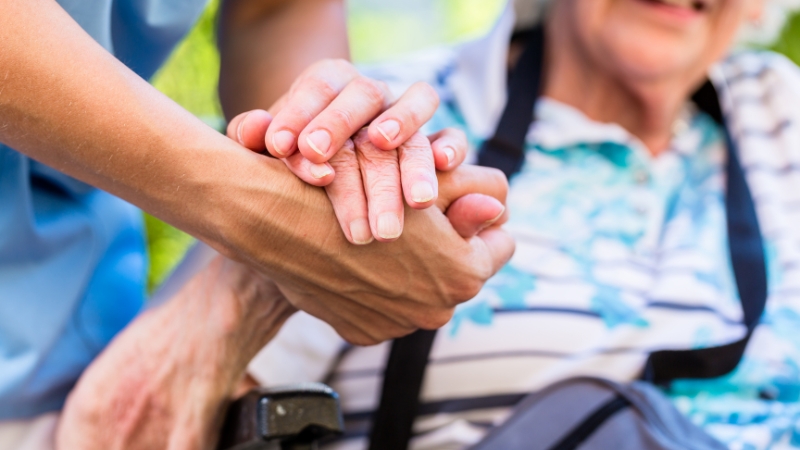
A first fall identifies a period of increased vulnerability. Prevention should begin before the patient leaves the hospital or clinic.
Exercise and Physical Therapy
Programs that combine balance work, functional training and leg strengthening have the best evidence for reducing falls.
Tai chi, supervised resistance training and individualized physical therapy can improve stability when matched to the health and mobility of the patient.
Medication Review
Sedatives, sleeping pills, some antidepressants, blood-pressure drugs and medications with anticholinergic effects can contribute to dizziness or slower reactions.
A physician or pharmacist should review the full medication list, including over-the-counter sleep aids.
Vision and Hearing
Corrective lenses should be current, and cataracts should be evaluated when they interfere with daily activities. Research has found that treating impaired vision can support safer mobility.
Hearing assessment can also help because hearing loss may reduce awareness of environmental hazards.
Bone Health
Anyone with a hip or vertebral fracture should be evaluated for osteoporosis. Treatment may include bisphosphonates, denosumab or an anabolic bone medication, depending on fracture history and bone density.
Calcium and vitamin D should be considered according to dietary intake, blood levels and medical guidance. Evidence does not support indiscriminate supplementation for every older adult, as explained in our review of vitamin D, calcium and fracture prevention.
Home Safety
- Install grab bars near the toilet and shower.
- Add secure handrails on both sides of stairs.
- Remove loose rugs and electrical cords from walking paths.
- Improve lighting in hallways, bedrooms and bathrooms.
- Use non-slip flooring in wet areas.
- Keep frequently used items within easy reach.
- Choose supportive footwear with a stable sole.
When Should an Older Adult Seek Emergency Care After a Fall?
Call emergency services when a person has:
- Loss of consciousness
- New confusion, weakness or difficulty speaking
- Severe head, neck, back or hip pain
- An inability to stand or bear weight
- A visibly shortened or rotated leg
- Heavy bleeding
- Chest pain or severe shortness of breath
- A seizure
- A head impact while taking a blood thinner
Do not lift a person who may have a hip, spine or head injury unless the location presents an immediate danger.
What Families Should Ask the Medical Team
- What caused the fall?
- Was a head injury ruled out?
- Does the patient have osteoporosis?
- Which medications raise fall risk?
- When should physical therapy begin?
- Will the patient need a walker or home equipment?
- Is the home safe for discharge?
- Which symptoms require urgent reassessment?
- What is the expected level of independence after rehabilitation?
Bottom Line
A fall in an older adult does not carry one predetermined life expectancy. A person who avoids a major injury may recover fully, while a hip fracture, severe brain injury or prolonged immobility can substantially alter survival and independence.
The latest research places median one-year mortality after hip fracture near 22%, although recent patient-level studies have reported lower rates in selected populations. Age, dementia, frailty and chronic disease explain much of that variation.
The period after the first fall deserves immediate attention. Medical review, rehabilitation, bone treatment, safer medication use and changes inside the home can reduce the likelihood of another injury.
Methodology
This article uses national fall data from the Centers for Disease Control and Prevention and recent peer-reviewed research covering hip fractures, older-adult trauma and fall prevention.
Population death rates were kept separate from the probability that one patient will die after one fall. Mortality recorded during months or years after an injury was not automatically attributed to the fall itself.
Unsupported universal percentages from the earlier draft were removed when the linked source did not establish the stated claim. Current evidence was presented as ranges where outcomes vary substantially by age, injury and health status.
References
- Centers for Disease Control and Prevention – Older Adult Falls Data
- National Center for Health Statistics – Unintentional Fall Deaths in Adults Age 65 and Older
- University of Rochester Medical Center – Short Falls in Older Adults
- National Library of Medicine – Ground-Level Falls in Older Adults
- JAMA – Hip Fractures: A Review
- Orthopedics – One-Year Mortality Following Hip Fracture
- National Library of Medicine – Long-Term Survival After Hip-Fracture Surgery
- ResearchGate – Incidence and Mortality of Chronic Subdural Hematomas
- World Health Organization – Falls Fact Sheet
- World Health Organization – Mental Health of Older Adults
- World Health Organization – Pneumonia Fact Sheet
- National Library of Medicine – Cataract Surgery and Fall Risk