
Florida has the highest rate of dementia among Medicare recipients in the country, affecting 8.2% of enrollees—roughly 90,000 people in the Tampa Bay area alone. It also recorded the nation’s lowest nursing exam pass rate in 2024 at just 64.8%, despite having over 17,000 test-takers.
The state’s uninsured rate for residents under 65 stands at 13.9%, significantly higher than the national average of 9.5%. At the same time, Florida saw a 10% drop in fatal drug overdoses, with the age-adjusted rate falling from 35.2 to 31.7 per 100,000.
These numbers, drawn from 2025 health data, show a state with sharp disparities, leading in medical excellence in some areas while falling behind in basic coverage and workforce stability.
1. Florida Has the Highest Dementia Rates Among Medicare Recipients
Let’s start with a stat that’s both sobering and urgent: Florida leads the country in dementia prevalence among Medicare recipients.
According to recent estimates, about 8.2% of beneficiaries are living with Alzheimer’s or other forms of dementia. And that’s just the people over 65 who are enrolled in Medicare.
To put that in perspective, Tampa Bay alone is home to around 90,000 individuals battling dementia. The emotional toll on families, caregivers, and communities is enormous—and it’s growing.
Why is the rate so high? A few things play into it:
One silver lining: There’s been a slow but meaningful expansion of memory care programs and community-based services, especially in metro areas. But for caregivers in rural counties? Resources remain frustratingly thin.
2. Lowest Nursing Exam Pass Rate in the U.S. — and It’s Making the Shortage Worse
In 2024, Florida found itself at the bottom of a very important list: the lowest nursing exam (NCLEX) pass rate in the country. That’s despite the state producing the most candidates.
Here’s the real kicker: more test-takers didn’t translate into more nurses.
Let’s break that down:
Metric
Florida (2024)
NCLEX Pass Rate
64.8% (Lowest in U.S.)
Total Test-Takers
17,000+
Nurse Vacancy Rate
7.8%
Unfilled Nursing Positions
16,000+
Some nursing programs have come under scrutiny for offering quantity over quality, enrolling large numbers of students without adequate faculty or clinical training. The result? Students are walking into the licensing exam unprepared, and the shortage deepens.
For hospitals already stretched thin, especially in rural and underserved areas, this is a major problem. Some are turning to traveling nurses or offering retention bonuses just to keep the floors staffed.
So if you’re in Florida and wondering why your ER wait times feel endless or your primary care doctor looks permanently exhausted… now you know.
3. Florida’s Drug Overdose Deaths Are Dropping—and That’s a Big Deal
Now for a rare bit of good news: Florida saw a nearly 10% drop in fatal drug overdoses between 2022 and 2023. The age-adjusted overdose death rate fell from 35.2 to 31.7 per 100,000 people.
That’s a big shift, especially considering how grim the numbers were during the pandemic years.
So what changed?
- Naloxone is more available than ever, thanks to new state-level distribution programs and pharmacy partnerships.
- There’s been a stronger push toward peer recovery programs, especially in urban centers.
- Isolation levels—one of the sneaky accelerators of substance use—have gone down as communities have reopened.
Still, challenges remain. Fentanyl is still everywhere. Rural areas continue to lack detox and recovery services. And stigma around addiction hasn’t magically vanished. But momentum is moving in the right direction—and that’s worth celebrating.
4. Nearly 1 in 7 Floridians Under 65 Has No Health Insurance
View this post on Instagram
Here’s where things get sticky. Florida has the fourth-highest uninsured rate in the nation for people under 65—13.9%, compared to the national average of 9.5%, according to the CDC.
That’s a lot of people skipping doctor’s visits, delaying prescriptions, or walking out of urgent care with an IOU.
The major reason? Florida hasn’t expanded Medicaid.
Unlike 40+ other states, Florida’s leadership has repeatedly opted out of the expansion offered under the Affordable Care Act. That leaves hundreds of thousands of low-income adults in what’s known as the “coverage gap”—too poor to qualify for subsidies on the marketplace, but not eligible for Medicaid under current rules.
Here’s who’s hit the hardest:
- Part-time workers
- Seasonal or gig economy workers (think: hospitality and tourism sectors)
- Immigrants and undocumented residents
Some residents are turning to alternatives like direct primary care to get more reliable access without depending on traditional insurance.
According to CraftConcierge, a Tampa-based provider, the model offers a flat monthly fee for routine care, which can be especially helpful for people stuck in that Medicaid gap or managing chronic conditions without coverage
5. Child Food Insecurity Is Shockingly High in Some Counties

Statewide, Florida doesn’t rank the worst in the country for child food insecurity. But in certain counties? The numbers are alarming.
According to the Florida Policy Institute, some regions report child food insecurity rates as high as 35.3%. That means more than 1 in 3 children don’t have reliable access to nutritious meals.
You’ll see the worst numbers in parts of rural North Florida and inner-city areas where wages are low, grocery options are limited, and transportation is a challenge.
And while schools have stepped up with free breakfast and lunch programs, summer and holiday gaps remain a problem. So do long bureaucratic wait times for SNAP benefits (formerly food stamps).
It’s not just a hunger issue—it’s a long-term health risk. Kids facing chronic food insecurity are more likely to develop:
- Type 2 diabetes
- Behavioral issues
- Mental health struggles
- Learning delays
Solving this one takes more than food banks. It takes better wages, affordable housing, and stronger safety nets. Right now, it’s patchy at best.
6. Florida’s Top Hospitals Are Among the Best in the Nation
UF Health Shands Hospital is the only Florida hospital ranked among the nation’s best in 9 medical specialties by @USNews for 2020-21. Through the expertise provided by our hospitals, colleges and research facilities, we’re #MovingMedicineForward https://t.co/OANwkUimF4 pic.twitter.com/xSG23w5wmj
— UF Health (@UFHealth) July 28, 2020
Now, let’s balance out some of the tough news with a genuine bright spot: Florida is home to some of the best hospitals in the country.
Newsweek’s 2025 hospital rankings gave high marks to several facilities, including:
- Mayo Clinic in Jacksonville – regularly recognized for excellence in oncology, neurology, and transplant care.
- Tampa General Hospital – known for its trauma services, advanced cardiac care, and patient safety initiatives.
- Cleveland Clinic Weston – a leader in orthopedic surgery and joint replacements.
So while the healthcare system has some major access issues, the quality of care, once you get in, is top-notch in many areas. These hospitals are teaching institutions too, which means they’re training the next generation of clinicians and investing in research.
It’s also worth noting that many of Florida’s best hospitals are expanding telemedicine and mobile outreach programs to reach more remote communities. So the benefits are starting to extend beyond city limits.
7. Where Does Florida Rank Overall in Health in 2025? It’s Complicated
America’s Health Rankings puts out an annual report that blends dozens of health indicators—from smoking rates and physical activity to air quality and public health funding. Florida’s 2025 position? Somewhere in the middle of the pack—but trending slightly downward.
Why?
Let’s look at some of the conflicting factors:
Positive Indicators
Concerning Indicators
Decrease in drug overdose deaths
High dementia rates among older adults
Strong hospital infrastructure
Poor nursing exam pass rate
Public-private partnerships in care
High uninsured rate
Urban access to specialty medicine
Rural care deserts and food insecurity
The reality? Florida’s public health landscape is full of contradictions. It has world-class hospitals and critical shortages of frontline nurses. It has innovative overdose response programs—and counties where kids go to bed hungry.
And whether you’re healthy or struggling often depends more on your ZIP code than your genetics.
Final Thought
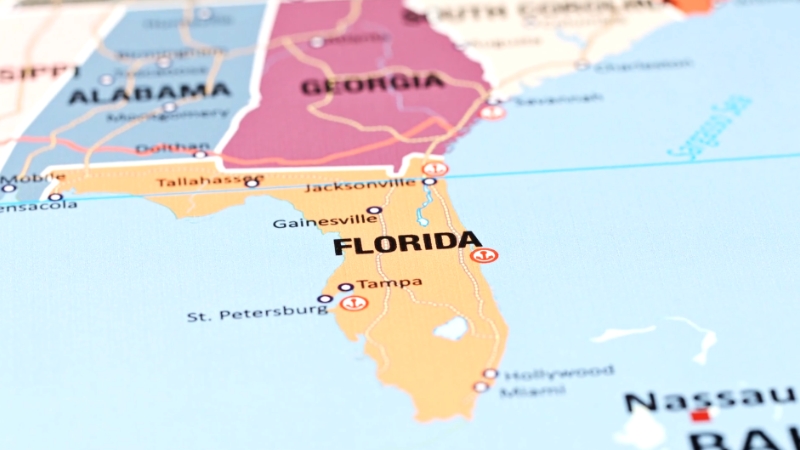
Florida’s health rankings in 2025 tell a story of extremes. It’s a state that offers both the best and the worst, depending on where you live, how much you earn, and whether you can get the care you need when you need it.
That’s not just a policy problem—it’s a human one.
Change is possible, and in some corners, it’s already happening. But the real test for Florida won’t be how well it ranks on paper—it’ll be whether all its people, from coastal retirees to rural families, can live with health, dignity, and a fair shot at wellness.