
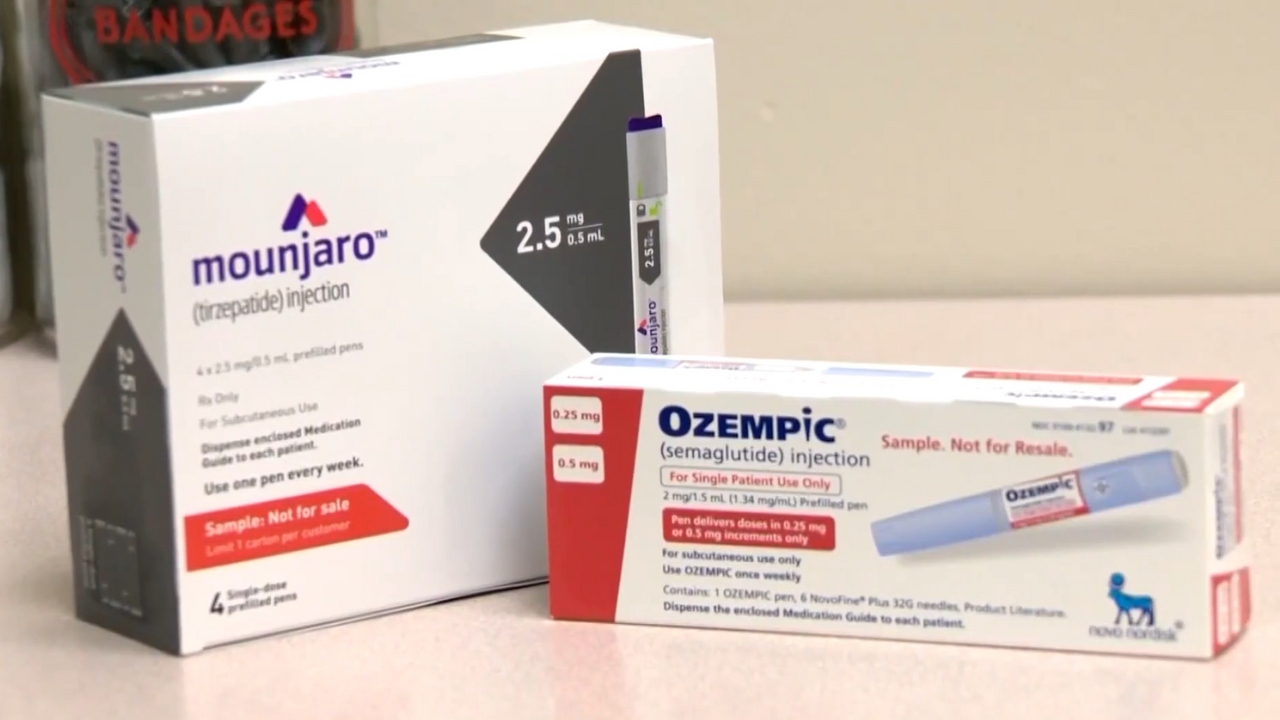
GLP-1 drugs such as Ozempic, Wegovy, and Zepbound have transformed obesity treatment, helping millions lose significant weight. But for a large number of patients, the medications fall short, fail entirely, or come with side effects that make long-term use impossible.
New research and clinical experience are now revealing why. Obesity, scientists say, is not a single disease with a single solution. Instead, it is a complex condition with many biological forms, each driven by different genetic, hormonal, neurological, and behavioral factors.
That realization is pushing medicine toward a future of personalized obesity care, where treatment is tailored to an individual’s specific biology rather than relying on one blockbuster drug for everyone.
A Lifelong Condition, Not A Willpower Problem

For many people, obesity begins early and persists despite repeated attempts to control it. Anna Olson, now 36, says her weight shaped how she saw herself from childhood.
Hunger felt constant, intense, and impossible to satisfy. Diets, medications, and exercise programs failed repeatedly.
Doctors often offered the same advice: eat less.
What science now makes clear is that obesity is rarely about discipline alone. Researchers have identified dozens of contributing factors, from inherited genetic traits and disrupted hunger hormones to differences in brain signaling, metabolism, gut biology, and emotional regulation.
In Olson’s case, genetic testing revealed multiple biological drivers interfering with her hunger and satiety signals. One GLP-1 drug worked only briefly.
Another, Zepbound, better matched her underlying hormone imbalance and finally produced lasting results. She has since lost 65 pounds and kept it off while remaining on treatment.
Why GLP-1 Drugs Work for Some and Fail for Others
GLP-1 medications mimic natural hormones that regulate appetite, slow digestion, and improve blood sugar control. But their effectiveness varies widely.
Clinical data show that a significant share of patients lose less than 5 percent of their body weight on GLP-1 therapy. Others experience nausea, vomiting, or fatigue severe enough to stop treatment. Some see metabolic improvements without meaningful weight loss.
According to specialists, this variation reflects the fact that obesity has multiple biological subtypes. Treating all patients with the same medication is increasingly seen as an oversimplification.
Obesity Has Subtypes, and Biology Matters
View this post on Instagram
Dr Andres Acosta, a gastroenterologist at the Mayo Clinic, says early research suggests obesity can be grouped into distinct phenotypes based on genetic and hormonal traits.
Some people have what researchers call a “Hungry Gut,” driven by abnormal gut hormone signaling. Others have a “Hungry Brain,” where appetite control circuits in the brain do not respond properly to fullness signals. Emotional eating and slowed metabolism represent other pathways.
These differences help explain why GLP-1 drugs work best for people whose obesity is rooted in gut hormone dysfunction, while those with brain-based appetite signaling issues may respond better to older medications or drug combinations.
Genetic tests designed to identify these phenotypes are already being used in some clinics, though they are not yet covered by insurance.
Personalized Treatment Reduces Stigma And Improves Results
For Olson, learning that she had a “Hungry Brain” phenotype and a rare genetic condition called Bardet-Biedl syndrome changed how she viewed herself. Instead of blaming willpower, she could focus on biology.
That shift helped her and her doctors select a treatment plan that addressed her specific drivers of obesity. Beyond weight loss, her cholesterol and blood sugar improved, and she regained the physical confidence to travel and move more freely.
Experts say this kind of personalization may also reduce stigma, which remains one of the biggest barriers to effective obesity care.
The Limits Of Today’s GLP-1 Boom
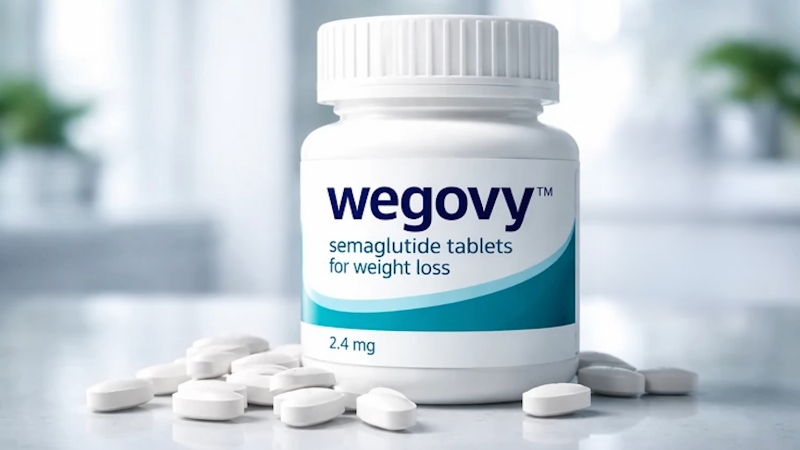
GLP-1 use has exploded and is expected to grow further as prices fall, and new options emerge, including oral versions such as the Wegovy pill developed by Novo Nordisk.
But doctors caution that enthusiasm has outpaced realism. Roughly half of patients lose 15 percent or more of their body weight on GLP-1 drugs. The other half do not. Yet many people assume they will fall into the high-response group.
Dr Jennifer Manne-Goehler, a metabolic disease specialist at Harvard University, says obesity must be treated as a lifelong condition. One medication is rarely enough for sustained control over decades.
Lifestyle Still Matters More Than Many Expect
While GLP-1 drugs are powerful tools, they are not standalone solutions. A large review of 37 weight-loss studies found that people who rely solely on GLP-1 therapy tend to regain weight more quickly once treatment stops compared with those who also adopt behavioral changes.
Doctors emphasize that nutrition, movement, sleep, and mental health interventions remain essential, regardless of medication choice. Personalized care does not replace lifestyle change; it makes it more targeted and sustainable.
Gene Therapy And The Search For A One-Time Fix
As limitations of long-term injections become clearer, researchers are exploring more radical approaches. One of the most controversial is gene therapy designed to program the body to produce its own GLP-1 hormone for years after a single treatment.
One Shot Gene Therapy for Obesity
Several biotech companies in the United States are working on gene therapies that could help treat obesity with a single injection. The idea is to avoid the common problem seen with GLP 1 weight loss drugs like Wegovy and Mounjaro, where many… pic.twitter.com/0ICUH8FdLX
— Gandalv (@Microinteracti1) January 26, 2026
Biotech company Fractyl Health is preparing clinical trials of a gene therapy called Rejuva, which delivers genetic instructions directly to the pancreas. The goal is to eliminate the need for lifelong injections and reduce side effects caused by hormone spikes.
But experts warn that permanence carries serious risks. Unlike pills or injections, gene therapy cannot be easily reversed if complications arise. Long-term effects on the pancreas remain unknown.
Insurance Pressure Is Driving Riskier Ideas
Interest in one-time therapies is being fueled by cost. Many insurers are pulling coverage for GLP-1 drugs due to their high price, forcing patients to stop treatment even when it works.
Dr Fatima Cody Stanford of Massachusetts General Hospital has said that nearly 70 percent of her patients lost GLP-1 coverage in the past year. For many, stopping medication was not a choice.
That financial pressure is accelerating interest in alternatives that could bypass recurring drug costs, even if they carry higher upfront risk.
The Future Of Obesity Care Is Precision, Not Promises
Experts agree that obesity treatment is entering a transition phase. GLP-1 drugs were a breakthrough, but not the final answer.
The next stage will focus on diagnosing the biological drivers of obesity and matching patients to the right combination of medications, behavioral support, and possibly advanced therapies.
Personalized obesity care is still several years away from widespread use. But researchers say the shift has already begun, and it may finally replace one-size-fits-all treatment with medicine that reflects how complex obesity truly is.