
In a narrow alleyway in a low-income neighborhood, a small cooking fire burns beneath a metal pot. At first glance, the scene looks ordinary.
What feeds the flames is not. Instead of wood or charcoal, the fire is fueled by plastic waste pulled from nearby streets.
Across many cities in the Global South, plastic trash has quietly become a household energy source. This is not an isolated behavior or a temporary measure.
It is a daily survival strategy shaped by the absence of affordable fuel, unreliable electricity, and failing waste systems.
The shift has unfolded gradually and largely out of public view. It happens inside homes and courtyards, far from industrial zones and formal landfill sites. Until recently, it has remained poorly documented.
What the Data Now Shows
Plastic waste has become a household fuel in the world’s poorest cities https://t.co/tIVrBeef8Z #EarthDotCom #EarthSnap #Earth pic.twitter.com/8KeICFCaFE
— Earth.com (@EarthDotCom) January 19, 2026
A 2025 study by the Curtin Institute for Energy Transition, published in Nature Communications, offers one of the clearest snapshots yet.
Surveying households across low-income urban areas in sub-Saharan Africa, South Asia, and Latin America, researchers found that 16 percent of respondents had personally burned plastic at home for cooking or heating. Nearly half said they had witnessed others doing so.
These figures likely understate the true scale. Much of this activity is informal and hidden.
It does not appear in official energy statistics or waste management records. But the consistency of reports across regions suggests a widespread pattern rather than isolated incidents.
Why Plastic Is the Fuel That Remains
Plastic is not chosen because people believe it is safe. It is chosen because it is available.
In informal settlements, electricity is often unreliable or absent altogether. Gas connections are rare, and refill costs can exceed household incomes.
Firewood and charcoal, once fallback options, are increasingly scarce due to deforestation, urban expansion, and rising demand.
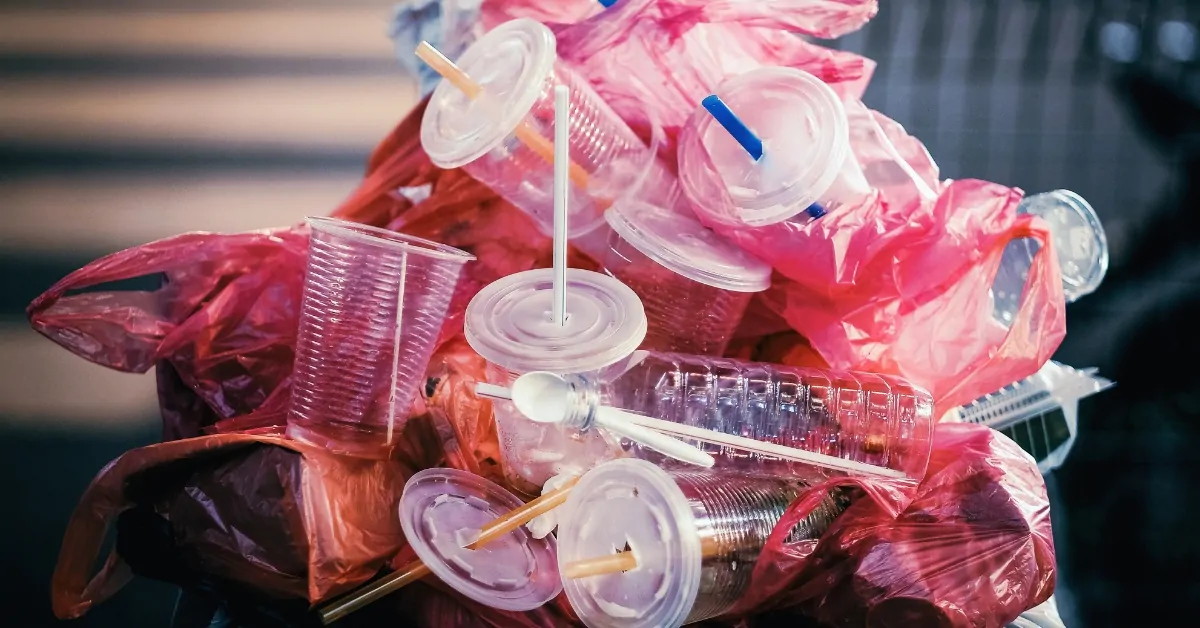
Plastic waste, by contrast, accumulates rapidly. Single-use food packaging, beverage bottles, detergent containers, and plastic bags dominate the urban waste stream.
Where trash collection does not reach, these materials pile up in streets and open spaces. When fuel runs out, trash becomes combustible.
Inside the Home, the Risks Multiply
Burning plastic in household stoves produces far more than heat. Low temperature combustion releases a complex mix of toxic pollutants directly into living spaces.
PVC is particularly dangerous. When burned, it emits dioxins and furans, compounds known for their persistence in the environment and their ability to accumulate in human tissue over time.
These chemicals do not simply disperse. They settle on walls, clothing, food, and soil.
Most plastic burning occurs indoors, often in single-room homes with limited ventilation. Women and children face the highest exposure because they spend the most time near cooking areas.
Older adults and people with limited mobility are also at elevated risk.
Beyond Smoke, Contamination Spreads
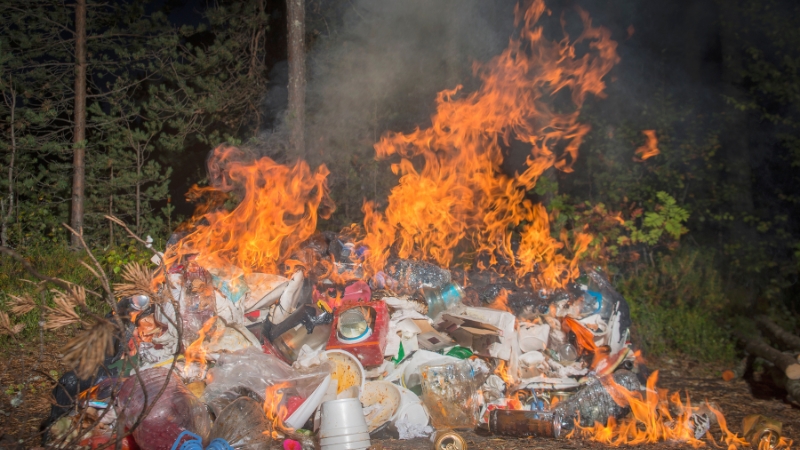
The health risks extend beyond inhalation. Researchers documented contamination of soil and food sources near burn sites.
Toxic residues settle into surrounding environments, entering crops, livestock feed, and local water supplies.
This creates a long term exposure pathway that persists even when fires are not actively burning. Food contamination transforms a household coping mechanism into a broader public health concern.
Burning Plastic as a Coping Mechanism
For many families, burning plastic is not about convenience. It is about survival.
Households described fuel shortages, rising prices, and the absence of waste services as interconnected pressures. Burning plastic solves two immediate problems at once. It reduces visible waste and replaces fuel that costs money or labor to obtain.
Fuel stacking is common. Plastic is mixed with wood or charcoal to stretch limited supplies. Even households that prefer cleaner fuels often resort to plastic when alternatives are unavailable.
Why Bans and Regulations Fall Short
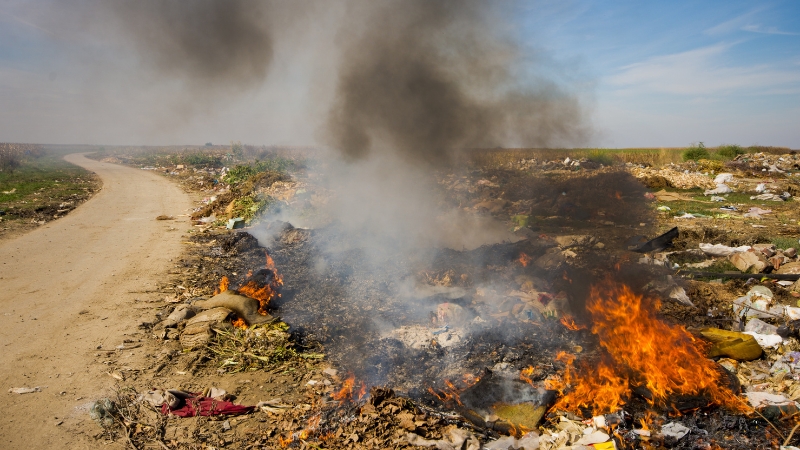
Many cities have regulations against open burning, but enforcement rarely reaches informal settlements. When it does, it can have unintended consequences.
Fear of fines or confiscation pushes families to burn plastic indoors, where exposure is more concentrated.
Because plastic burning occurs at the household level, it often falls between policy categories. It is not treated as an energy issue. It is not fully addressed as a waste management failure.
Public health surveillance rarely captures long-term exposure from domestic combustion.
Gaps in Evidence and Understanding
Most existing data come from surveys, observational studies, and indirect environmental sampling. Direct measurement of emissions and long-term health outcomes in informal settings remains limited.
Monitoring is difficult. Informal housing, variable fuel use, and limited resources complicate data collection. As a result, the full scale of health impacts is still not well quantified.
What Solutions Might Actually Reduce the Practice
View this post on Instagram
Researchers caution that banning plastic burning without providing alternatives is unlikely to work. Effective solutions must address both energy access and waste management at the same time.
Cleaner cookstoves, affordable fuel subsidies, and inclusive waste collection systems show promise in pilot projects. But adoption depends on cost, reliability, and cultural fit.
A stove that still requires expensive fuel will not be used. A waste system that bypasses informal settlements will not reduce burning.
A Problem That Remains Largely Invisible
For now, plastic continues to burn quietly in homes and alleyways across the Global South. It remains undercounted in national statistics and largely absent from urban planning discussions.
Yet its consequences for air quality, food safety, and public health are becoming increasingly difficult to ignore. What appears to be trash on the street has become, for millions, the last available source of fuel.