
A new early-stage clinical trial suggests that a single dose of the psychedelic compound DMT may quickly reduce symptoms of major depressive disorder, especially in patients who have not responded well to traditional treatments.
Researchers observed noticeable improvement within one week after administration, with some benefits lasting several months.
While the study is still small and preliminary, it adds to growing scientific interest in psychedelic-assisted therapies for difficult-to-treat depression.
What DMT Is And Why Researchers Are Studying It
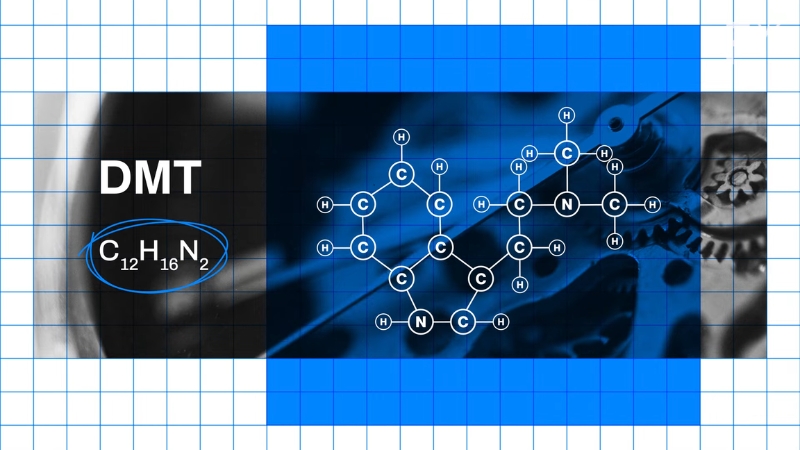
Dimethyltryptamine, commonly known as DMT, is a short-acting psychedelic compound that affects serotonin receptors in the brain.
These receptors are closely linked to mood regulation and emotional processing. Unlike other psychedelics such as psilocybin or LSD, which can produce effects lasting several hours, intravenous DMT acts quickly and wears off within minutes.
This short duration makes it potentially easier to use in controlled clinical environments. Traditional psychedelic therapy sessions often require extensive monitoring for hours, sometimes involving multiple clinicians.
DMT’s rapid onset and brief effects may simplify treatment logistics while still delivering therapeutic benefits.
Details Of The Clinical Trial
Early results are promising.https://t.co/22nPZ3Z22D
— ScienceAlert (@ScienceAlert) February 16, 2026
The study involved 34 adults diagnosed with moderate to severe major depressive disorder. All participants had previously tried standard treatments without adequate success.
Researchers divided them into two groups in a double-blind, placebo-controlled setup so neither the participants nor the clinicians initially knew who received DMT.
The drug was administered intravenously over about ten minutes. Each participant remained under therapist supervision during the session to ensure safety and emotional stability, though therapists generally stayed quiet during the experience.
Rapid Improvement In Symptoms
Within one week, participants who received DMT showed significantly better depression scores compared with those who received a placebo.
The researchers used the Montgomery-Åsberg Depression Rating Scale, a widely accepted clinical tool for measuring depression severity.
Two weeks after treatment, those given DMT averaged about seven points lower on this scale than the placebo group. Clinically, that level of reduction is considered meaningful and noticeable in everyday functioning.
Some participants maintained improvement for up to three months, and a few remained in remission for at least six months.
Interestingly, receiving a second dose did not significantly improve outcomes compared with a single dose, suggesting that one treatment session might be sufficient for certain patients.
Safety And Side Effects Observed
The treatment appeared generally well-tolerated. Most reported side effects were mild to moderate, including temporary nausea, anxiety, slight pain at the injection site, and short-lived increases in heart rate or blood pressure immediately after dosing.
No serious treatment-related adverse events were recorded during the study, though researchers emphasize that larger studies are necessary to confirm safety.
Limitations Researchers Acknowledge
Despite encouraging results, the study has clear limitations. The psychedelic effects of DMT are noticeable, which may have affected the double-blind design since participants might guess whether they received the drug.
The sample size was also relatively small, with only 34 participants. Larger trials with longer follow-up periods will be needed to determine how reliable, safe, and cost-effective this treatment could be compared with existing therapies.
What This Means For Depression Treatment
Major depressive disorder remains one of the leading causes of disability worldwide. Standard antidepressants such as SSRIs help many patients, but a significant portion either do not respond adequately or experience unwanted side effects.
Research into psychedelics, including psilocybin, LSD, and now DMT, reflects an expanding search for alternative approaches that may work differently from traditional medications.
Future Research Direction
View this post on Instagram
Scientists emphasize that these findings are an early step rather than definitive proof. Larger controlled trials comparing DMT directly with standard antidepressants and other psychedelic therapies will be essential.
Researchers also want to better understand how the compound affects brain networks involved in mood regulation.
If future evidence confirms effectiveness and safety, short-acting psychedelics like DMT could become a new option for patients with treatment-resistant depression.