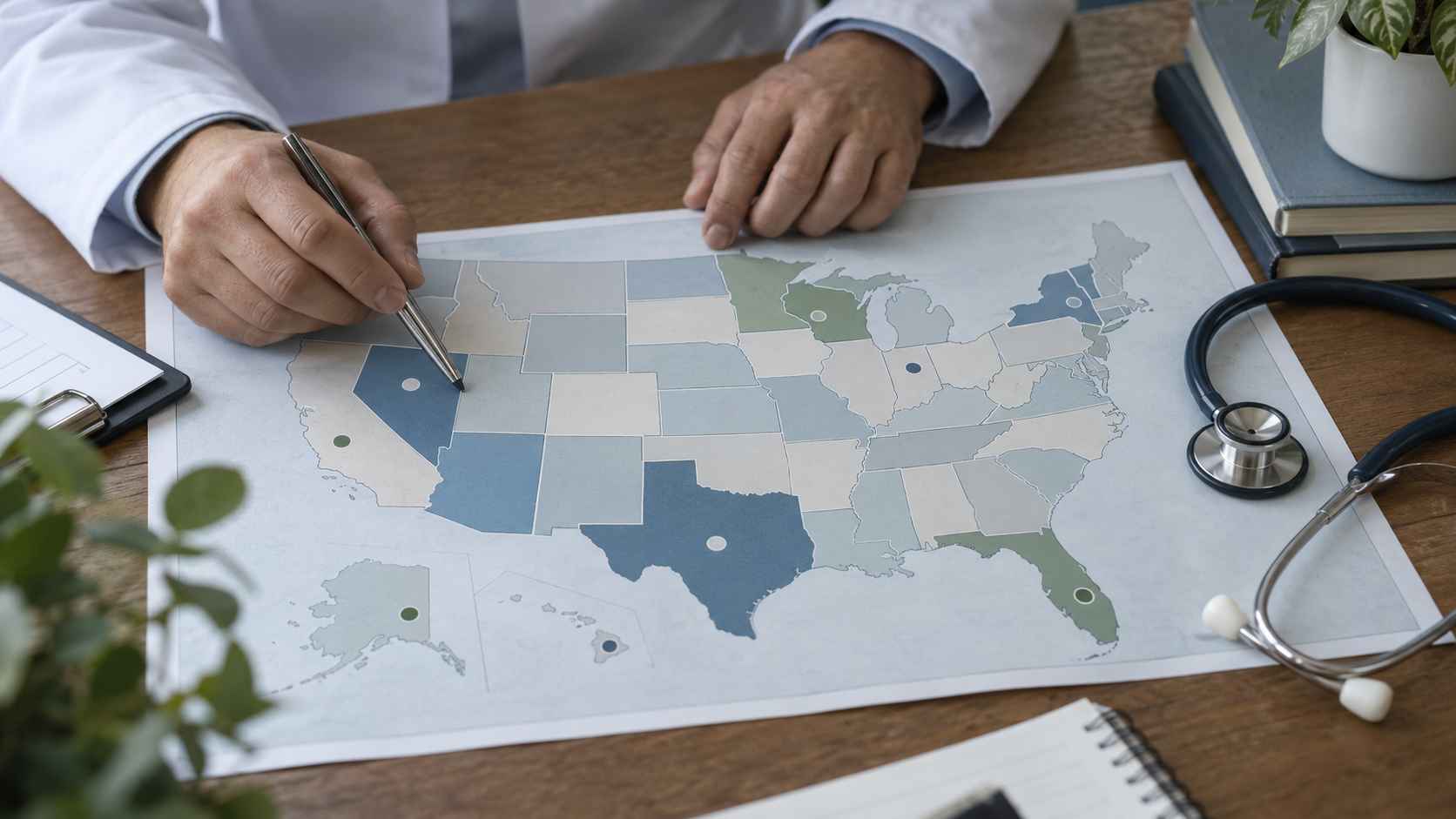

Postpartum depression (PPD) is a form of depression that develops after childbirth. It can affect mood, sleep, energy, concentration and a mother’s ability to feel connected to her baby.
PPD is different from the “baby blues.” Mild sadness, irritability and emotional changes are common during the first days after birth and usually improve on their own. Postpartum depression lasts longer, causes more severe symptoms and can interfere with everyday life if it is left untreated.
Hormonal changes after delivery, previous mental health problems, lack of sleep, difficult pregnancy or birth experiences, financial pressure and limited social support can all contribute to the condition.
Many women also use pregnancy and fertility tools such as Femia to track symptoms and changes before and after pregnancy. Apps can provide useful information and help women notice patterns, but postpartum depression still requires proper medical assessment when symptoms become persistent or severe.
PPD is an important part of the wider picture of anxiety and depression in the United States. Knowing how common it is, who faces greater risk and what symptoms deserve attention can help families seek care sooner.
Postpartum Depression: Definition, Prevalence, and Undiagnosed Cases
Postpartum depression can begin during the first weeks after childbirth or develop later during the first year. Symptoms vary, but many women experience persistent sadness, anxiety, exhaustion, difficulty concentrating, changes in sleep or appetite and feelings of guilt or inadequacy.
Some mothers also struggle to bond with their baby or feel emotionally disconnected from everyday life.
About 1 in 7 women experience postpartum depression during the first year after giving birth.
The true number may be higher because many cases are never formally diagnosed.
Estimates commonly cited in postpartum mental health research suggest that roughly 600,000 women in the U.S. experience postpartum depression each year. When pregnancy losses such as miscarriage and stillbirth are included in broader perinatal depression estimates, the number can approach 900,000.
‘Finding peer support meant the world to me.’
Thank you to this mum for sharing your story: https://t.co/KqqZdQ7zsU
? If you have been affected by this story, need any support, or want to meet others affected by postpartum psychosis, get in touch: https://t.co/kpUFgZxAvg pic.twitter.com/bqNzIL25E3
— Action on Postpartum Psychosis (@ActionOnPP) January 13, 2025
Why Do So Many Cases Go Undiagnosed?
A large share of women with postpartum depression never receive a formal diagnosis.
Estimates suggest that nearly 50% of mothers with PPD are not diagnosed by a healthcare professional.
Several barriers contribute to that gap. Some women assume severe sadness, anxiety or exhaustion are simply part of becoming a parent. Others feel embarrassed discussing their symptoms or worry that admitting they are struggling will lead to judgment.
Access to care also matters. A woman may have several medical appointments during pregnancy but far fewer contacts with healthcare professionals after delivery. If postpartum visits focus mainly on physical recovery and no mental health screening takes place, symptoms can be missed.
Routine screening and clear conversations about maternal mental health make it easier to identify depression before it becomes more severe.
Risk Factors for Postpartum Depression
Postpartum depression can affect women with no previous mental health history, but certain circumstances raise the likelihood of developing it.
Risk usually comes from several factors acting together rather than one single cause.
Medical History and Mental Health
- Past Depression or Anxiety – Women who experienced depression or anxiety before pregnancy face a higher risk of postpartum depression. Previous mental health problems are among the most important predictors.
- Previous Postpartum Depression – A mother who experienced PPD after an earlier pregnancy has a higher chance of developing it again after another birth.
- Family History of Mental Illness – A close family history of depression or bipolar disorder can indicate greater vulnerability to mood disorders.
Hormonal and Physical Changes
- Hormone Shifts – Estrogen and progesterone levels fall rapidly after delivery. Those changes can affect mood in women who are vulnerable to depression.
- Thyroid Issues – Postpartum thyroid problems can cause fatigue, low mood, irritability and other symptoms that overlap with depression.
- Lack of Sleep – Repeated nighttime waking and fragmented sleep can worsen emotional regulation, anxiety and exhaustion.
Social and Economic Challenges
- Lack of Support – Limited emotional or practical help from a partner, family or friends increases stress during an already demanding period.
- Financial Stress – Housing costs, medical bills, childcare expenses and lost income can add significant pressure after childbirth.
- Young Maternal Age – Younger mothers can face additional financial, educational and social challenges that increase vulnerability to depression. Our broader look at the U.S. birth rate also shows how maternal age patterns have changed in recent years.
Pregnancy and Birth Complications
- Difficult Pregnancy – High-risk pregnancies, prolonged bed rest and serious pregnancy complications can contribute to prolonged stress.
- Traumatic Birth – Emergency procedures, unexpected C-sections, severe pain or complications affecting the mother or baby can increase the risk of depression and anxiety after delivery.
- Miscarriage or Stillbirth – Pregnancy loss is associated with grief, anxiety and depression and can require specialized mental health support.
Postpartum Depression by Race and Ethnicity

Postpartum depression affects women in every racial and ethnic group, but rates and access to treatment differ substantially.
Income, insurance coverage, access to maternity care, exposure to discrimination, family support and the availability of mental health professionals can all influence who develops symptoms and who receives treatment.
PPD Rates by Race and Ethnicity
A study published in the American Journal of Obstetrics and Gynecology analyzed more than 442,000 births and found that documented postpartum depression increased from 9.4% in 2010 to 19.3% in 2021.
- White: 13.5% in 2010 → 21.8% in 2021 (60% increase)
- Black: 9.2% in 2010 → 22.0% in 2021 (140% increase)
- Hispanic: 8.9% in 2010 → 18.8% in 2021 (110% increase)
- Asian/Pacific Islander: 3.6% in 2010 → 13.8% in 2021 (280% increase, the largest relative increase)
The increase does not necessarily mean the underlying rate of depression rose by the same amount. Greater awareness, more routine screening and better documentation can also increase the number of diagnosed cases.
Why Are PPD Rates Increasing?
- More Awareness and Screening – Screening has improved in many maternity and primary care settings, allowing more cases to be identified.
- Economic and Social Pressures – Financial pressure, unstable employment, high childcare costs and limited paid leave can add stress during pregnancy and after birth.
- Health Disparities – Access to mental health care differs by location, insurance status, income and race, affecting how quickly women receive diagnosis and treatment.
Postpartum Depression in Fathers
Depression after the arrival of a baby is not limited to mothers.
Fathers can also develop depression during the first year after their child is born. Sleep deprivation, relationship changes, financial pressure, new responsibilities and concern for a partner who is experiencing postpartum depression can all contribute.
Postpartum Depression in Fathers
- About 10% of new fathers experience paternal postpartum depression.
- The risk rises when the mother is also experiencing postpartum depression.
- Symptoms in men can include irritability, anger, social withdrawal, loss of interest, anxiety, sleep problems and increased alcohol or substance use.
Those symptoms are easy to overlook because depression is commonly associated with sadness. A father who becomes withdrawn, unusually angry or unable to function normally may also need mental health support.
It Also Affects Adoptive Parents
Adoptive parents can experience depression after a child joins the family as well.
The condition is sometimes described as post-adoption depression syndrome (PADS). Symptoms can include anxiety, fatigue, changes in appetite, low mood, hopelessness, concentration problems and difficulty adjusting to new responsibilities.
Research on post-adoption depression has reported rates ranging from 10% to 32% among adoptive parents. One study from Purdue University found that 71% of adoptive parents reported no or low depressive symptoms, while 6.2% experienced symptoms at clinically significant levels.
How Breastfeeding Affects Postpartum Depression
Breastfeeding and postpartum mental health have a complicated relationship.
Women who successfully breastfeed often report benefits associated with physical closeness and the release of hormones such as oxytocin. Research has also found an association between breastfeeding and lower rates of postpartum depression.
That relationship works in both directions. Women experiencing depression may find breastfeeding harder, and difficult breastfeeding experiences can increase stress and emotional distress.
A review available through PubMed Central describes the relationship between breastfeeding and maternal mood as bidirectional rather than simply protective.
Potential Benefits of Breastfeeding for Mental Health
- Association With Lower PPD Rates – Women who breastfeed have shown lower rates of postpartum depression in several studies, although breastfeeding itself is not the only factor involved.
- Hormonal Effects – Oxytocin and prolactin are involved in breastfeeding, bonding and stress regulation.
- Physical Contact – Feeding can provide regular periods of close contact between mother and baby.
When Breastfeeding Becomes a Stressor
- Latching Issues – Difficulty getting a baby to latch can make feeding painful, exhausting and frustrating.
- Pain or Low Supply – Some women experience pain or low milk production, which can turn feeding into a major source of stress.
- Pressure and Guilt – Expectations surrounding breastfeeding can intensify guilt or feelings of failure when feeding does not go as planned.
Maternal mental health should remain the priority. Breastfeeding is one part of infant care, and difficulty breastfeeding does not mean a mother has failed or caused postpartum depression.
When Postpartum Depression Needs Medical Attention
Persistent sadness, hopelessness, severe anxiety, panic, inability to sleep even when the baby is sleeping, loss of interest in normal activities and difficulty functioning are all reasons to speak with a healthcare professional.
Symptoms involving thoughts of self-harm, suicide or harming the baby require urgent medical assessment.
Postpartum psychosis is a separate and much rarer medical emergency. Symptoms can include severe confusion, hallucinations, delusions, extreme agitation and rapidly changing behavior.
Early treatment matters because postpartum depression is treatable. Depending on severity, care can include psychotherapy, medication, practical support and treatment of related problems such as severe insomnia or thyroid disease.
FAQs
Last Words
Postpartum depression is common and treatable, but many women still go through it without receiving a diagnosis.
Previous depression or anxiety, limited support, sleep disruption, stressful pregnancy or birth experiences and financial pressure can all increase risk. Symptoms can also appear months after delivery rather than immediately after birth.
Screening helps, but families also play an important role. Changes in mood, behavior, sleep and daily functioning deserve attention when they persist or become severe.
A woman who believes she may have postpartum depression should speak with her doctor, obstetrician, primary care provider or mental health professional. Early care can shorten the period of severe symptoms and make recovery easier for both the mother and her family.