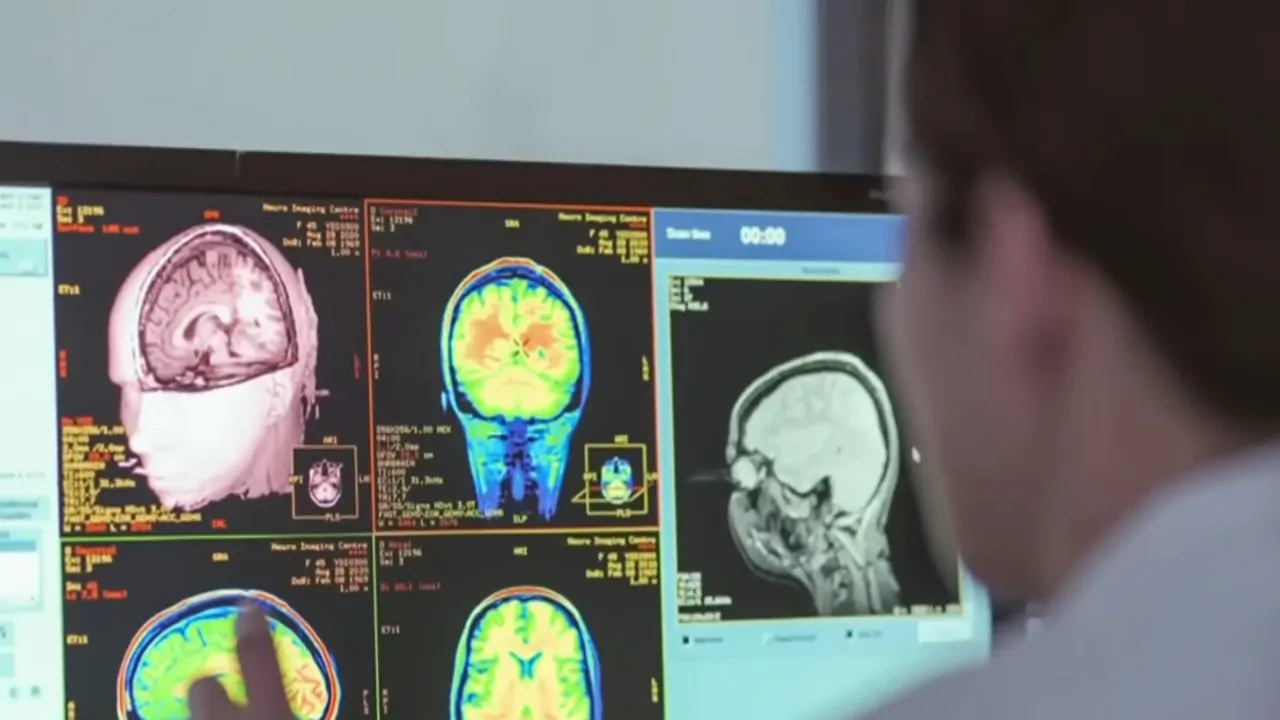

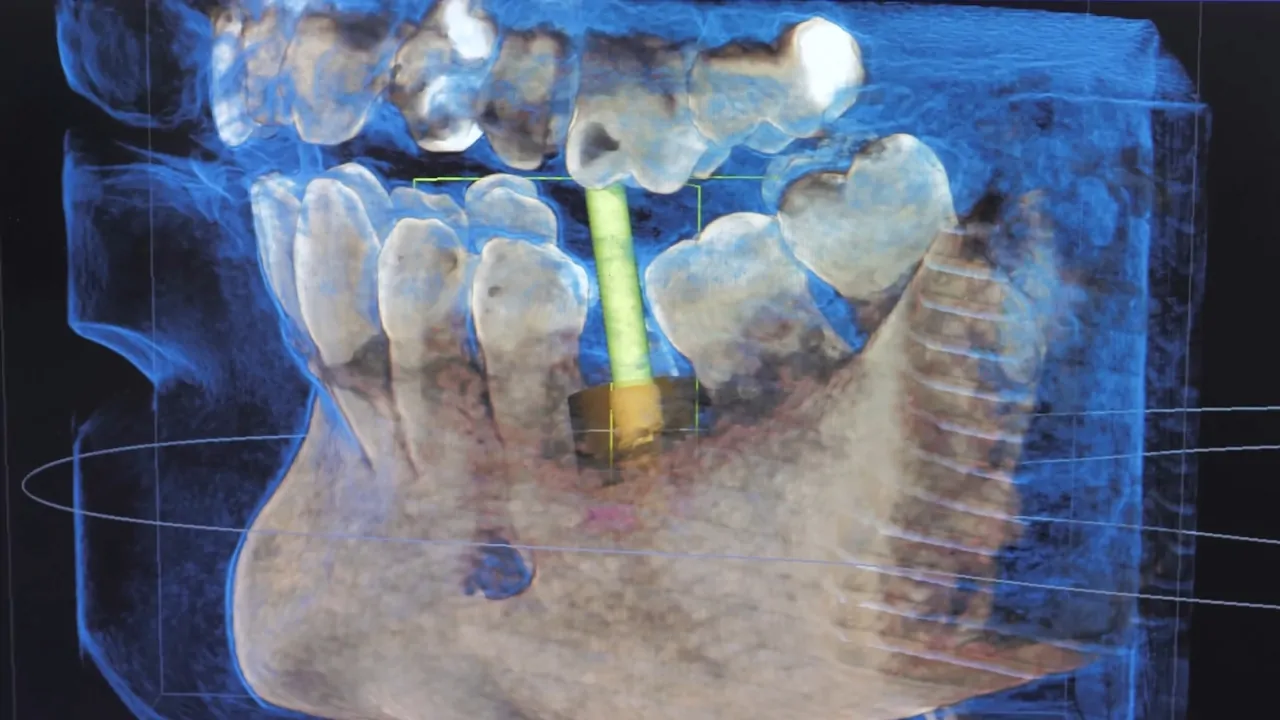
Tooth regrowth therapy is still experimental and not clinically available. The leading approach, an antibody therapy that blocks the USAG-1 protein to stimulate new tooth development, entered first-in-human clinical trials in 2024.
If ongoing trials confirm safety and effectiveness without major setbacks, the earliest plausible clinical availability is around 2030, initially for patients born with missing teeth rather than general tooth replacement
Why Natural Tooth Regrowth Has Historically Been Impossible
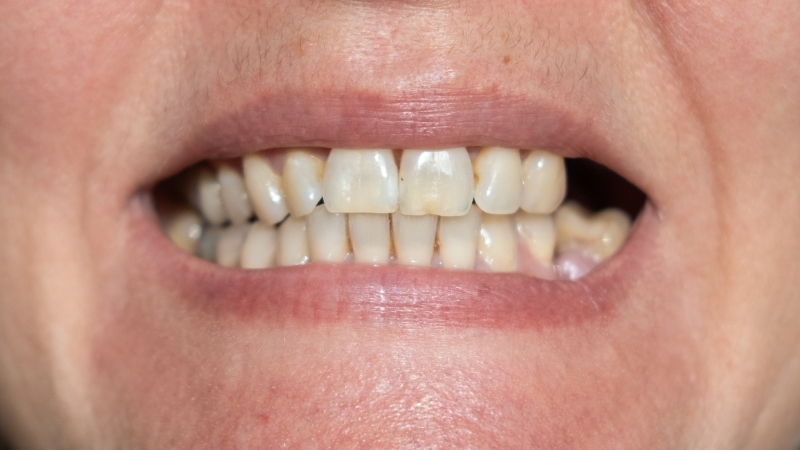
Humans develop two dentitions:
Dentition stage
Typical timing
Regenerative potential
Primary (baby teeth)
Childhood
Naturally replaced once
Permanent teeth
Adolescence onward
No natural replacement
After permanent teeth erupt, the tooth bud precursor cells remain inactive. Conventional dentistry, therefore, relies on prosthetics such as implants, bridges, and dentures instead of biological regeneration.
Modern research focuses on reactivating developmental pathways that exist during embryonic tooth formation but remain suppressed in adults.
Core Biological Mechanism Under Investigation
USAG-1 Inhibition Strategy
The most advanced tooth regeneration program targets a protein called USAG-1 (Uterine Sensitization Associated Gene-1). This protein suppresses signaling pathways involved in tooth bud formation, particularly BMP and Wnt pathways essential for dental tissue development.
Blocking USAG-1 theoretically allows dormant tooth-forming cells to resume growth. Animal studies showed:
These results justified human trials but do not guarantee equivalent results in humans because tooth development involves complex anatomical, immune, and biomechanical interactions.
Current Clinical Trial Status (As Of 2026)
@pauliancross According to reports, Japanese scientists are planning human clinical trials for a tooth-regeneration drug 🦷 🇯🇵 If all goes smoothly, the clinical trial is expected to begin next year, and the tooth regeneration therapy might be available for humans as early as 2030. #ClinicalResearch #Medicine #Science #STEM ♬ Something To Ask – OCULA
Human trials began in Japan under a collaboration between academic researchers and biotechnology developers specializing in regenerative dentistry.
Known Trial Characteristics
Trial parameter
Current status
Phase
Phase 1 clinical trial
Start period
Around late 2024
Primary goal
Safety and dosage assessment
Secondary observation
Early biological tooth development signals
Participants
Adults missing at least one tooth
Follow-up duration
Multi-year monitoring expected
Phase 1 trials do not aim to prove effectiveness. They establish whether the treatment causes adverse effects before larger trials begin.
No peer-reviewed clinical data confirming full human tooth regrowth has yet been released publicly.
Expected Development Timeline
Drug and biologic therapies follow structured approval pathways:
Stage
Purpose
Estimated duration
Phase 1
Safety, tolerability
~2 years
Phase 2
Preliminary effectiveness
2–3 years
Phase 3
Large population confirmation
3–5 years
Regulatory review
Approval process
1–2 years
Assuming smooth progress, first limited approvals around 2030 remain plausible but not guaranteed. Unexpected side effects, inconsistent tooth formation, or manufacturing challenges commonly delay regenerative therapies.
Which Patients Will Likely Benefit First
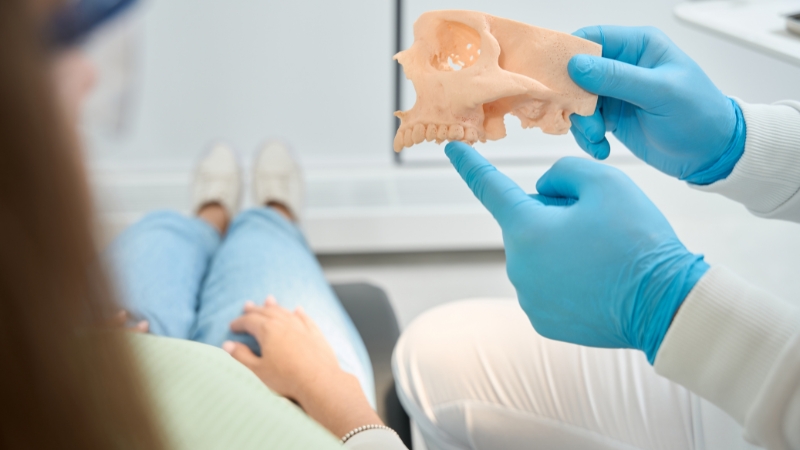
Congenital Tooth Agenesis
Patients born missing multiple teeth represent the initial target population. Reasons:
Severe Oligodontia in Children
Future pediatric trials are anticipated once adult safety data are confirmed. Younger patients may respond better because developmental signaling remains more active.
Routine Adult Tooth Loss
This includes tooth loss from:
This broader indication requires stronger evidence because adult bone remodeling, immune response, and tissue healing vary widely.
Current Clinical Practice Versus Regeneration Research
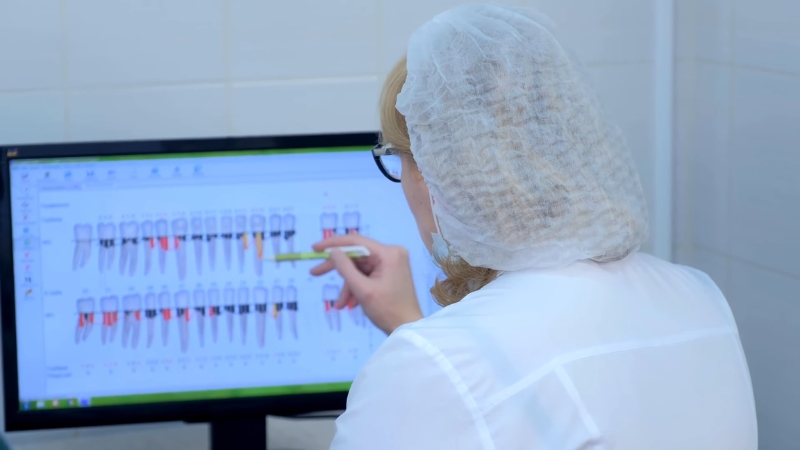
Until regeneration therapies prove effective, dentistry relies on restorative and orthodontic interventions.
Clinics such as Horsey Orthodontics continue managing missing teeth through established methods like orthodontic spacing control, implant preparation, and bite correction because regenerative therapies remain experimental.
Comparison With Existing Tooth Replacement Options
Treatment
Biological tooth replacement
Typical lifespan
Invasiveness
Dental implant
Artificial titanium root
15–25 years average
Surgical
Fixed bridge
Artificial tooth anchored to neighbors
10–15 years
Moderate
Dentures
Removable prosthetic
Variable
Non-surgical
Regenerative therapy
Potential natural tooth
Unknown
Still experimental
Even if tooth regrowth becomes viable, implants and prosthetics will remain important for decades due to cost, accessibility, and medical contraindications.
Scientific Challenges Still Unresolved
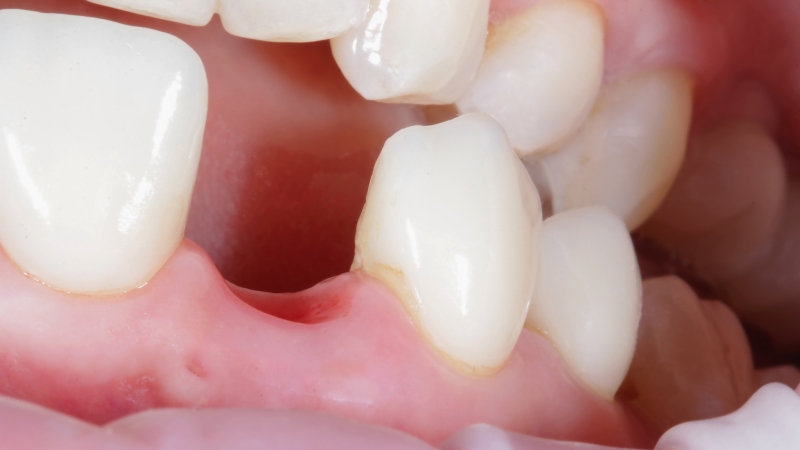
Predictable Tooth Positioning
A regenerated tooth must erupt in the correct anatomical location. Misalignment could require orthodontic correction or surgical intervention.
Structural Integrity
Researchers must confirm:
Vascular and Nerve Integration
Without proper blood supply and innervation, regenerated teeth could remain nonfunctional.
Long-Term Safety
Manipulating developmental pathways carries risks, including abnormal tissue growth or immune reactions. Multi-year observation is necessary before approval.
Alternative Regenerative Strategies Under Investigation
Although USAG-1 antibody therapy leads clinical progress, parallel approaches exist.
View this post on Instagram
Stem Cell Dental Tissue Engineering
Researchers attempt to grow tooth buds using:
This remains preclinical because controlling tooth shape and eruption remains difficult.
Enamel Regeneration Biomaterials
Protein-mimicking peptides aim to repair early enamel decay rather than regrow whole teeth. These may reach clinical practice sooner.
Gene Therapy Approaches
Experimental gene editing aims to activate dormant dental genes. Ethical, safety, and regulatory barriers remain substantial.
Economic And Healthcare Implications
If tooth regeneration becomes clinically viable:
However, initial costs will likely be high due to biologic drug manufacturing, specialized delivery methods, and clinical monitoring requirements.
Evidence-Based Conclusion
🚨#SCIENCE: Scientists are racing to grow human teeth in the lab pic.twitter.com/XfrmO80rYT
— Entrelligence (@entrelligence_) October 27, 2025
Human tooth regrowth therapy has progressed from laboratory research into early clinical testing, primarily through USAG-1 antibody inhibition designed to restart natural tooth development. No confirmed human tooth regeneration outcomes have yet been published.
Clinical availability before 2030 remains unlikely, and initial use will probably focus on congenitally missing teeth rather than routine tooth replacement. Existing dental restoration methods, therefore, remain the standard of care while regenerative dentistry continues controlled clinical evaluation.