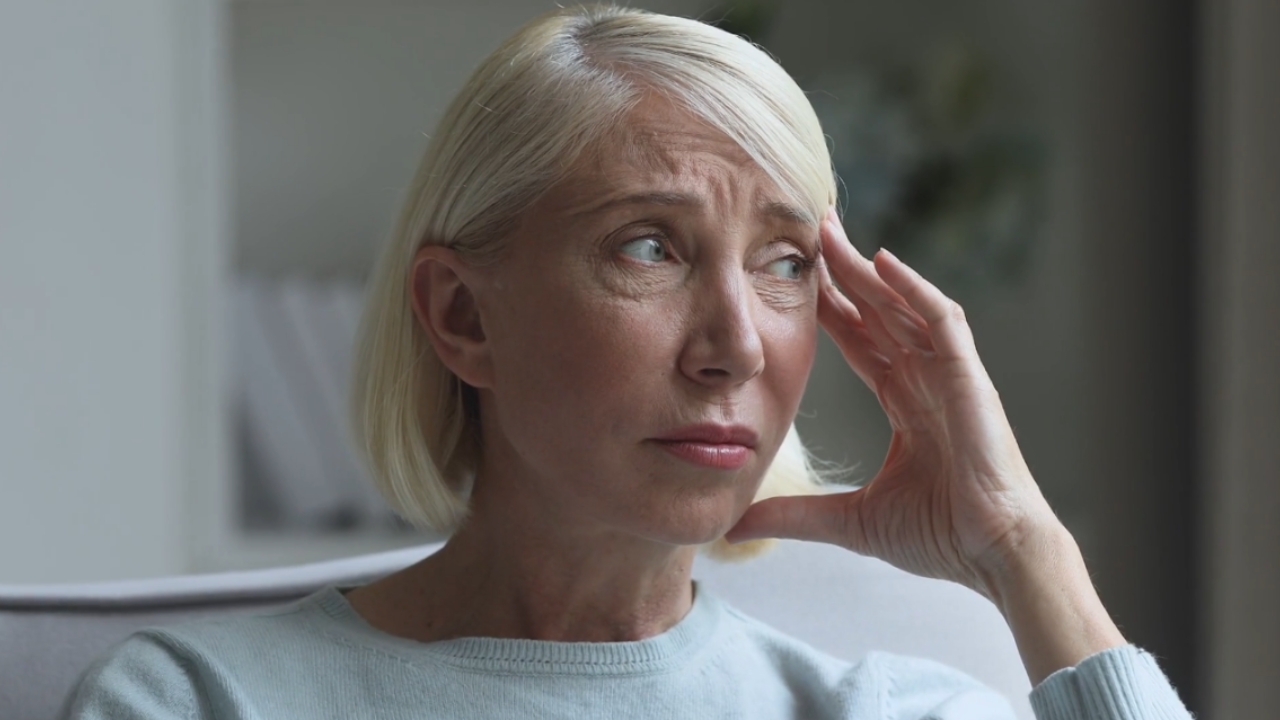
Nearly two in three women over the age of 50 in the UK are grappling with mental health difficulties, according to a new nationwide survey, yet the vast majority never ask for help.
The findings paint a stark picture of midlife for many women, where menopause, changing family roles, financial strain, and physical changes collide at the same time.
For many, the result is anxiety, exhaustion, and a quiet withdrawal from daily life that often goes unseen by those around them.
The survey of 2,000 women aged 50 and over, commissioned by the British Association for Counselling and Psychotherapy (BACP), found that almost 90 percent of those experiencing mental health struggles have not sought any form of support.
Therapists describe this as an “epidemic of silence” surrounding women’s mental well-being in midlife.
A Convergence of Pressures
Women taking part in the research described a wide range of challenges that emerged or intensified after turning 50. Menopause-related symptoms were among the most frequently cited, with brain fog affecting 38 percent of respondents and navigating menopause itself cited by 34 percent.
Sleep disruption, memory problems, and anxiety were commonly reported, often undermining confidence at work and in everyday decision-making.
But hormonal change was only part of the story. Many women said they were simultaneously dealing with bereavement as parents died, caring for ageing relatives, children leaving home, or the breakdown of long-term relationships.
Financial pressure also featured heavily, particularly for women facing reduced income or uncertainty later in life.
More than half of respondents, 58 percent, said they now feel anxious or overwhelmed by things that would not have troubled them earlier in life.
The Hidden Cost of “Coping”
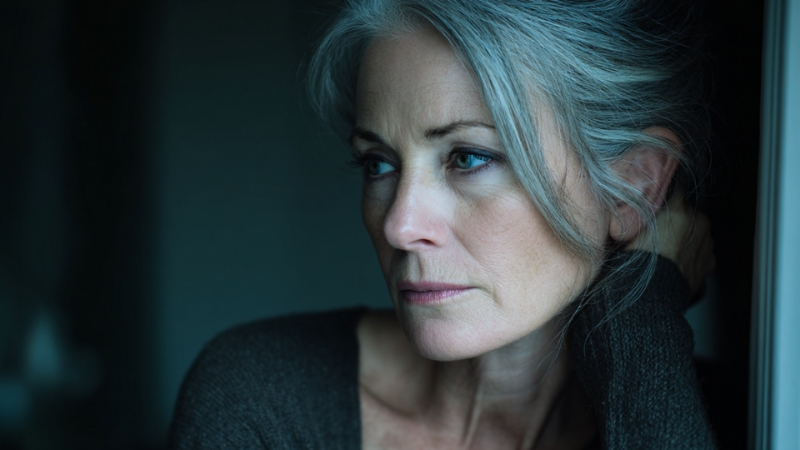
The impact of these pressures often showed up in everyday behavior. Nearly six in 10 women said their struggles affected their sleep.
Around 43 percent experienced noticeable weight gain or loss, while 38 percent avoided social events altogether. More than a quarter withdrew from friendship groups, further increasing isolation.
Despite this, many women said they felt unable to talk openly about how they were feeling. Almost half said they believed they needed to “hold it together” for others.
A quarter described adopting a “stiff upper lip,” while others feared they would not be understood or did not want to burden friends or family.
Dr Lisa Morrison, BACP’s director of professional standards, policy and research, described the findings as deeply concerning. She said midlife often brings multiple life changes at once, and that trying to manage them alone can have a devastating impact on daily functioning and overall well-being.
Menopause and Mental Health
@drlouisenewsonIt was brilliant being back on @thismorning this week for their menopause clinic. One of the viewers who phoned in was a 39-year-old woman experiencing hot flushes and anxiety, wondering if it could be menopause causing her symptoms. Although hot flushes can occur during perimenopause and menopause, symptoms affecting our brains are actually usually more common – in fact, 98% of women we see in our Newson Health clinic report symptoms affecting the brain – such as brain fog, poor memory, fatigue, irritability and mood changes. So, it’s really important that we consider changing hormones when women experience symptoms such as anxiety and low mood. We often suggest trialling HRT to see if it helps, as antidepressants will not be effective for low mood associated with menopause.
Therapists report a growing number of women seeking help specifically for menopause-related mental health concerns, particularly anxiety. Fluctuating oestrogen levels during perimenopause and menopause are known to affect mood, sleep, and cognition, which can make women doubt their own competence and abilities.
Alongside physical symptoms, many women are navigating major transitions at home and work. Even a combination of two or three stressors, layered on top of normal daily responsibilities, can leave women feeling overstretched and unsupported.
Janet Lindsay, chief executive of Wellbeing of Women, said hormonal changes during menopause can have a profound effect on mental health. Still, cultural attitudes often lead women to downplay or hide their struggles.
Without proper support, she warned, symptoms such as anxiety, low mood, irritability, and brain fog can significantly reduce quality of life.
A Wider European Pattern
View this post on Instagram
The findings come amid broader concerns about women’s mental health across Europe. A separate survey of 9,600 mothers in 12 European countries found that 71 percent of mothers in the UK felt overloaded, while nearly half reported mental health challenges such as depression or burnout.
Taken together, the data highlight a consistent pattern: women, particularly in midlife, are experiencing high levels of psychological strain, but social expectations and stigma continue to discourage open conversation and early support.
The BACP says its new campaign aims to challenge “stiff upper lip” culture and encourage women over 50 to see therapy and mental health support as a practical resource, not a sign of weakness. For many women, therapists say, simply acknowledging the strain of midlife may be the first step toward relief.