
Modern government scams run on impersonation, urgency, and fear. In 2026, these schemes often reach people by:
Many of them pretend to represent agencies such as the IRS or the Social Security Administration.
Filing season gives criminals an opening because money, deadlines, and personal data already sit at the center of people’s attention.
IRS scam warnings tied to National Slam the Scam Day on March 5, 2026, framed these fraud attempts within a broader identity theft and fraud problem.
The Channels Scammers Use Most
Scammers use every communication channel that can create speed and trust. Email is still a staple because phishing messages can copy official language, logos, and formatting with very little effort.
A fake email may lead to a counterfeit login page, steal credentials, or carry a malicious attachment.
Text messages are especially effective because they feel immediate and personal.
Many people glance at a text and react before stopping to question it. Smishing messages often use urgent prompts, short links, and direct commands.
Fake IRS texts may push people toward account verification, refund claims, or QR code scans. Fraud tied to unclaimed property can also appear by text, using surprise and urgency to get a fast tap.
Phone calls still sit at the heart of many impersonation scams. Robocalls can deliver threats at scale.
Spoofed numbers can make the caller look official. AI voice tools can make the person on the line sound credible and polished.
Calls about debts, account problems, legal action, or urgent payment are some of the most common types.
Social media and direct messages have also become major tools. Fake accounts can copy agency colors, jargon, and profile imagery so that they appear endorsed by a government office.
A target who would ignore a suspicious email might still trust a social message that looks polished and familiar.
Using a username generator can also help limit exposure by creating usernames that do not reveal a real name, birth year, or other personal details scammers may use to connect accounts to an identity.
IRS Scams – Fake Tax Threats by Text, Email, and Phone
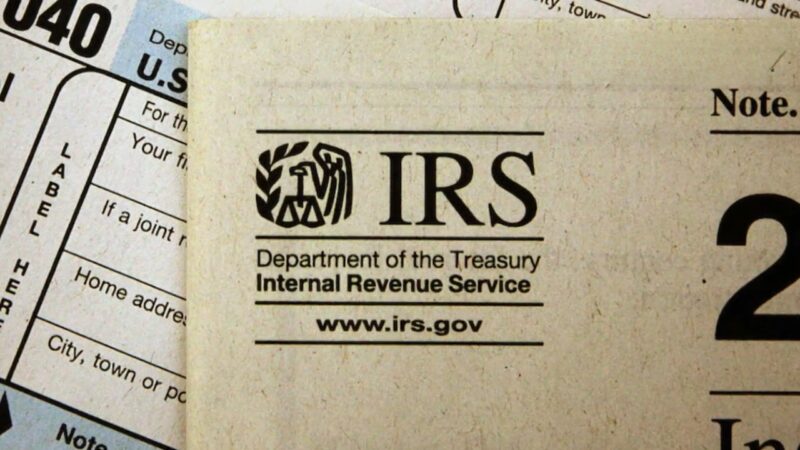
IRS scams are among the most familiar forms of government impersonation fraud.
Messages can also appear via direct message on social platforms.
Alarm language plays a big role in these attempts because fear increases the chance of a rushed reply.
Several message patterns show up again and again:
Many fake IRS messages push the target to verify an account, enter personal information, or claim a refund.
Links inside those messages often lead to counterfeit IRS pages built to steal logins, Social Security numbers, banking details, or other tax information.
QR codes add another layer of deception. A quick scan can send someone straight to a bogus site that looks official at first glance.
Phone impersonation is also a major risk. Criminals now use robocalls, spoofed caller ID, and AI voice tools to make fake IRS calls sound more convincing.
Some calls may appear to come through a legitimate number.
Others may sound polished enough to pass a quick gut check. Technology makes the lie smoother, but the objective stays old-fashioned. Scammers want money or private data.
Real IRS contact practices help expose the fraud:
Social Security Scams – Fear, Threats, and Fake Protection
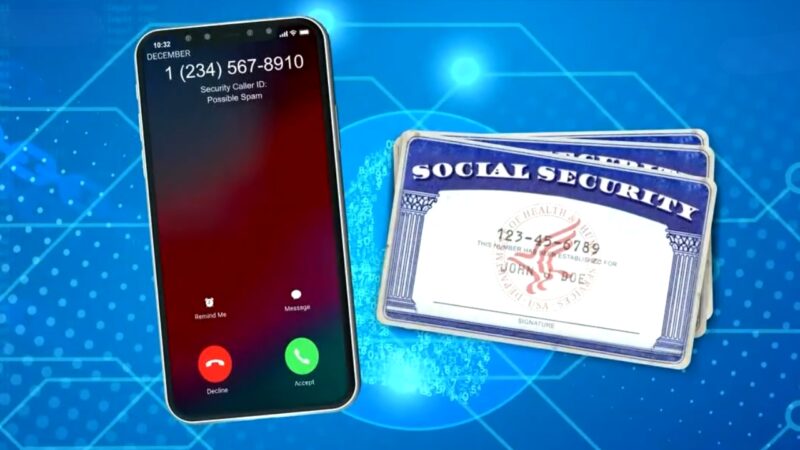
Social Security scams often lean heavily on fear.
Criminals may impersonate the Social Security Administration or another government office and contact targets by phone, email, text, letter, website, or social media.
Some even use the name of a real employee to make the lie feel stronger. A picture, attachment, or copied official style can add a false sense of proof.
Threats in these scams are often intense.
Common pressure tactics include:
Spoofed phone numbers make these scams even more convincing.
A call may appear to come through an official government line or even a local police department number.
Scammers may claim they are transferring the victim to law enforcement or another official who can help protect funds or stop an arrest.
That fake handoff is designed to deepen trust and keep the target on the line.
Confusion around benefit changes can also create an opening. Criminals may mention a cost-of-living adjustment or another increase and claim that payment or personal information is needed to activate it.
Panic about losing benefits, fear of legal trouble, and trust in fake protective instructions all feed the scam.
The “Unclaimed Funds” Angle – Government Scam as Opportunity, Not Threat
View this post on Instagram
Not every government-style scam uses fear. Some use excitement instead. Unclaimed funds fraud flips the formula and tells the target that money or property is waiting to be collected.
In March 2026, scam warnings described calls and texts claiming that people were eligible for thousands of dollars in unclaimed assets.
Specificity makes these messages persuasive. A scammer may name a precise dollar amount and claim that the money is tied to unclaimed property, stocks, or another asset.
Official-sounding agency names can make the story feel legitimate.
Urgency still plays a central role. Targets may hear that time is running out or that a filing period was extended just for them.
A few details often give away the setup:
Fees are often used to close the trap. A scammer may ask for a processing fee, a release payment, or some form of account verification charge.
Once money or personal details are handed over, the promised funds never appear.
Opportunity-based scams can be just as effective as threat-based ones because they create hope instead of panic.
The Red Flags That Expose the Scam

Several warning signs cut across almost every fake federal agency scam. Unexpected contact is often the first clue.
A sudden text, email, call, or direct message claiming to represent a federal office should never be treated as trustworthy just because it looks official.
Alarm language is another major signal. Claims that time is running out, that immediate action is required, or that severe consequences will follow are classic pressure tactics.
Requests for personal information should also trigger suspicion, especially when they arrive by text, social media, or email.
Payment methods can expose the fraud quickly.
No legitimate federal agency is going to demand:
Secrecy is another danger sign. Victims may be told not to tell family, not to contact the bank, or not to speak with another agency.
That instruction exists for one reason. Scammers know that outside voices can break the spell.
Summary
There are some things legitimate government agencies will never say or ask you to do. Learn them and other signs of government imposter scams: https://t.co/9peYp9RsVd #SlamTheScam #NCPW2026 pic.twitter.com/ObZELHPTQp
— CFTC (@CFTC) March 6, 2026
Fake federal agency scams keep changing shape, but the structure stays almost the same every time.
Criminals impersonate a trusted office, create urgency, and push the target toward disclosure or payment.
Tax threats, Social Security panic, fake unclaimed funds notices, and polished direct messages all fit that pattern.
A government seal is not proof. A caller ID match is not proof.
Verification should happen through official government channels and official .gov websites, never through links, numbers, or instructions included in a suspicious message.