

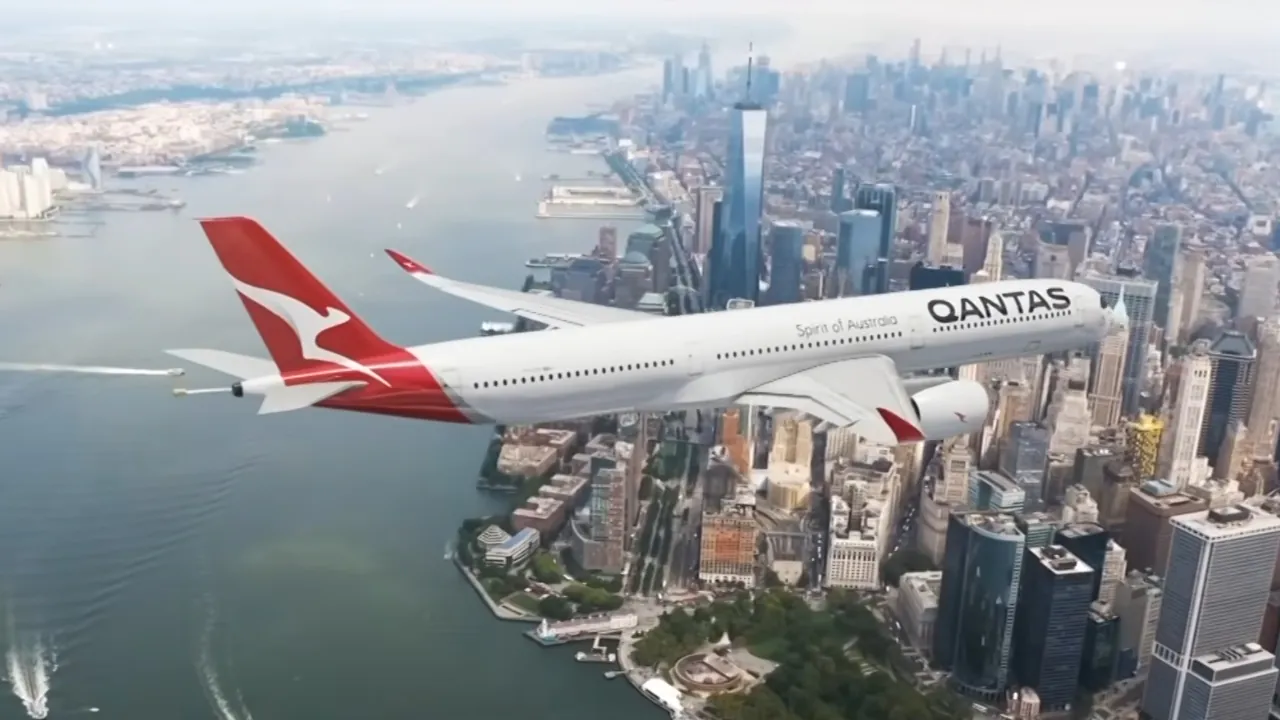
Sydney to London is already a long trip, but Qantas plans to make it a single nonstop flight lasting up to 22 hours.
The airline plans to start daily nonstop service between Sydney and London in October 2027, with tickets scheduled to go on sale in February 2027. The route will be the first commercial passenger service under Project Sunrise, the long-running Qantas program built around flights from the east coast of Australia to major cities on the other side of the world.
The aircraft will be a specially modified Airbus A350-1000ULR. The route will cover about 10,573 miles, or 17,015 kilometers, and flight time will range from about 19 to 22 hours depending on winds, routing, and operating conditions.
The Associated Press reported that the flight would overtake the Singapore Airlines service between Singapore and New York, now widely treated as the longest regularly scheduled nonstop route.
The bigger story is the passenger tradeoff. Qantas is asking travelers to choose one very long flight over a journey with a midpoint break. For business travelers, families, and Australians heading to Europe, the promise is simple: skip the connection, save several hours, and arrive without changing planes.
A Flight Long Enough To Change The Passenger Bargain
The old Kangaroo Route between Australia and London once took multiple stops. Qantas Group CEO Vanessa Hudson said the route had seven stops when the airline first flew it in 1947. Project Sunrise removes the last one.
Qantas says the direct Sydney to London service will cut up to four hours from current one-stop journeys.
Fox Business reported that Qantas sees demand for ultra-long-haul travel, citing airline research that found 70% of surveyed Australians would consider booking a nonstop flight of that length, rising to 80% among premium travelers.
For passengers, four hours saved can feel enormous on paper. The harder question comes after hour 15. A nonstop flight avoids airport security lines, gate changes, missed connections, and the tired feeling of starting another boarding process halfway through the trip.
It also removes the chance to walk through a terminal, eat proper food, and reset mentally before the second leg.
What Passengers Will Actually Get?
Qantas is avoiding a packed layout. The Project Sunrise A350 will carry 238 passengers, far below many Airbus A350-1000 layouts. The cabin plan includes six First suites, 52 Business suites, 40 Premium Economy seats, and 140 Economy seats.
More than 40% of seats will sit in premium cabins, according to Qantas aircraft details. Economy passengers get a 33-inch pitch in most of the cabin, while 42 Economy Plus seats at the front of Economy will offer a 34-inch pitch, priority boarding, and priority overhead locker access.
The airline is also building the flight around small comfort decisions that matter after a full day in the air: free Wi-Fi, Bluetooth audio, larger entertainment screens, USB-C charging, meal pre-selection, and an in-flight entertainment system timed with lighting, meals, and rest periods.
The Stretch Space May Become The Most Talked About Feature
View this post on Instagram
The aircraft will include a Wellbeing Zone between Premium Economy and Economy. Qantas describes it as a dedicated space with stretch handles, guided movement content, a hydration station, and refreshments.
That zone will not turn Economy into a lounge. The value is simpler. Passengers get a place to move without feeling like they are blocking the aisle or hovering beside a galley. On a 22-hour flight, that small social permission counts.
The design also shows where ultra-long-haul flying is heading. The airplane cabin is no longer being treated only as rows of seats. Qantas is trying to make the aircraft function like a controlled time-zone chamber, where light, food, movement, and sleep cues all point toward the destination clock.
The Jet Lag Plan Goes Beyond Mood Lighting
Qantas has worked with the University of Sydney Charles Perkins Centre on passenger wellness research. The partnership includes Project Sunrise test flights from New York and London to Sydney in 2019, when researchers gathered passenger data during ultra-long flights.
The early findings from Qantas and University of Sydney researchers pointed to a practical idea: jet lag can be reduced by shaping the flight experience around the destination time zone. That includes lighting schedules, meal timing, sleep timing, and movement.
Qantas says the A350 will have 12 lighting scenes, including Sunrise, Sunset, and Awake, built around circadian science. The cabin will also connect entertainment, lighting, meal service and rest periods so passengers can follow the rhythm of the destination before the aircraft lands.
Why The Plane Had To Be Different?
What a beauty, @Qantas! 🤩 ‘Vega’ is ready to make history, and we can’t wait to see this gorgeous #A350-1000ULR flying the world’s longest routes! 🦘 https://t.co/mBTRx34dlO
— Airbus (@Airbus) June 18, 2026
The route needs more than a normal long-haul aircraft. Airbus says the A350-1000ULR adds a rear centre tank that increases fuel capacity by 20,000 liters. The aircraft also has a higher maximum takeoff weight and Rolls-Royce Trent XWB-97 engines.
Qantas has ordered 12 A350-1000ULR aircraft for Project Sunrise. The first aircraft, named Vega, is due for delivery in April 2027, with commercial launch still subject to aircraft certification and regulatory approval.
The extra fuel also explains the reduced seat count. Every pound has a job on a flight of that length. Fewer passengers, a premium-heavy layout and limited cargo room are part of the economics. A 22-hour route is less about filling every seat and more about selling the right seats at the right price.
Who Should Book The 22-Hour Flight?
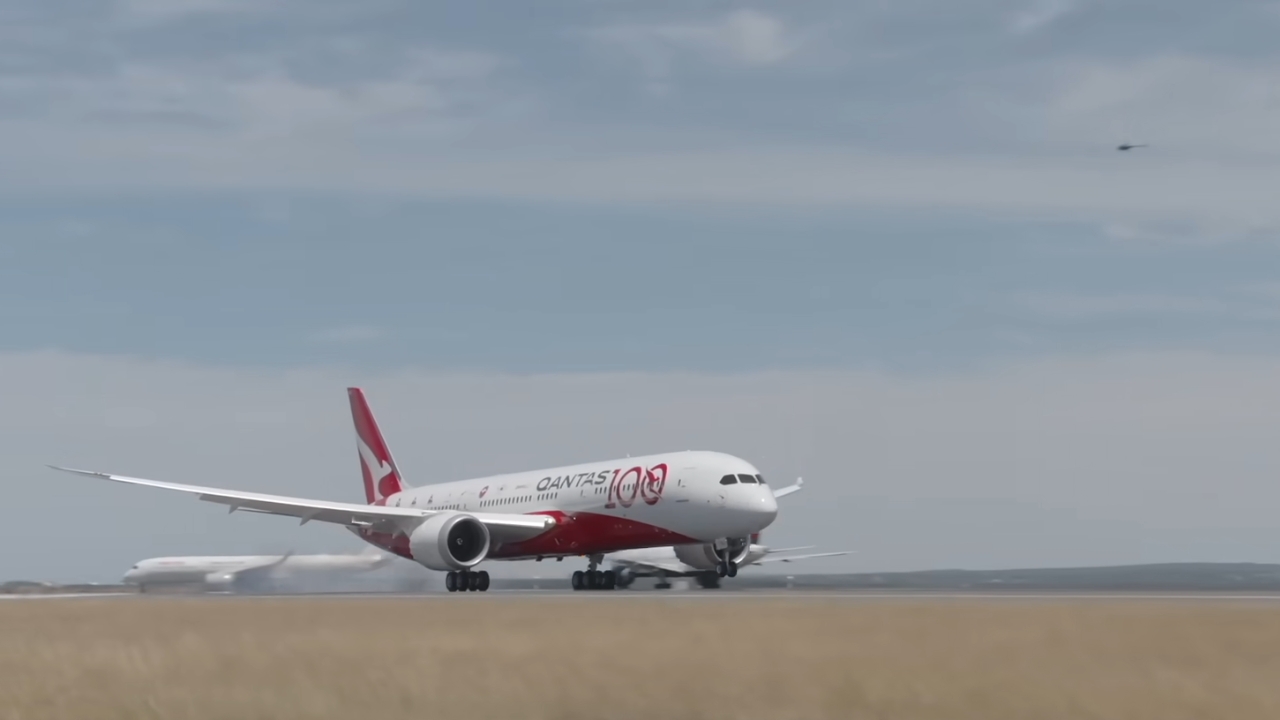
The nonstop option fits travelers who hate connections, need to save time, or plan to sleep for a large block of the flight. Business travelers in First or Business will likely get the cleanest version of the bargain: board once, sleep properly, and land closer to the final destination clock.
Premium Economy passengers get a middle ground. The cabin offers more space than the Economy and avoids the highest fare levels. For many travelers, Premium Economy may become the most practical seat on the route.
Economy is the tougher decision. A 33-inch pitch is generous compared with many long-haul aircraft, and the Wellbeing Zone helps. Still, 19 to 22 hours in Economy will test patience, sleep habits, and circulation.
Travelers with a history of blood clots, recent surgery, pregnancy, limited mobility, or other risk factors should speak with a clinician before booking a journey of that length.
The CDC warns that sitting for long periods can increase the risk of deep vein thrombosis, especially on trips longer than four hours. The basic advice remains plain: move when possible, exercise legs in the seat, drink water, and follow medical guidance for personal risk.
How To Prepare For A Flight That Long?
A 22-hour nonstop needs a different mindset from a normal overnight flight. Passengers should think of it as one long controlled day, with sleep planned before boarding.
- Choose the seat carefully. An aisle seat helps anyone who wants to move without disturbing other passengers.
- Start on the destination time early. Meal timing and sleep timing work better when the body gets the same signals before and during the trip.
- Pack for a full day. Eye mask, compression socks, charger, lip balm, toothbrush, water bottle, and loose layers all become more useful after hour 10.
- Use the Wellbeing Zone early. Waiting until legs feel stiff defeats the purpose. Movement needs to happen in small blocks.
- Limit alcohol. Long flights already make sleep and hydration harder. Alcohol can make both worse.
Qantas says Sydney to New York will follow after the London launch. AP reported that the Sydney to New York route would run about 9,950 miles, or 16,013 kilometers.
The Bottom Line
@qantasSydney to London. Non-stop. Who’s in? 🇦🇺🇬🇧♬ original sound – Qantas
Qantas is close to turning a long aviation promise into a bookable flight. Sydney to London nonstop will be a record-setting route, a passenger endurance test, and a business experiment at the same time.
The flight will save time, simplify the route, and remove connection risk. The cost will be a single cabin stretch that can reach 22 hours. For premium passengers, the tradeoff may look easy. For Economy travelers, the answer will depend on seat choice, health, sleep habits, and tolerance for a very long day in the air.
Project Sunrise will show whether travelers want the shortest journey badly enough to spend almost a full day in one aircraft. By late 2027, Qantas expects to find out.