

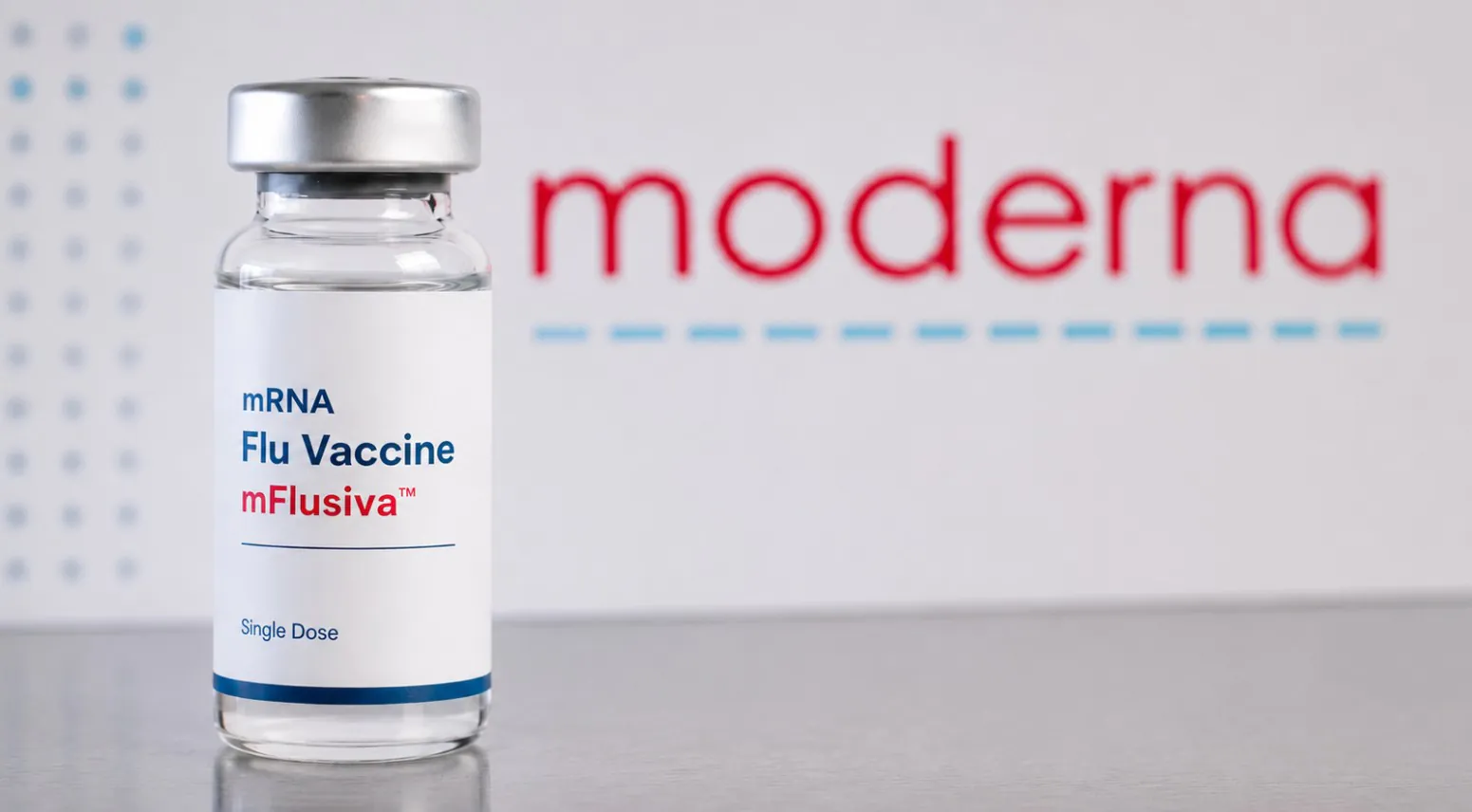
The Food and Drug Administration has approved the first seasonal flu vaccine made with mRNA technology, giving Americans age 50 and older a new option before the 2026–27 flu season.
The vaccine, called mFlusiva, is made by Moderna. It uses the same basic technology behind the company COVID-19 vaccines, though it targets influenza strains selected for the coming season.
The approval ends an unusually difficult regulatory process. The FDA initially refused to review the application earlier this year, raising concerns that Moderna had used the wrong comparison vaccine for older adults. The agency later reversed course after the company proposed separate approval routes for people ages 50 to 64 and those 65 and older.
Moderna now expects mFlusiva to reach selected U.S. retailers within weeks. That puts the vaccine on track to become available during the coming fall vaccination campaign.
The New Flu Vaccine Is Approved for Adults 50 and Older
The FDA granted regular approval for adults ages 50 to 64 based on results from a Phase 3 trial involving 40,805 participants in 11 countries.
Researchers compared mFlusiva with an existing standard-dose flu vaccine. Moderna reported that its shot reduced the risk of laboratory-confirmed influenza by 26.6% compared with the standard vaccine used in the study.
The difference was larger for serious cases. The company reported a 47.9% reduction in flu illnesses that led to hospitalization, an emergency room visit or urgent medical care.
Approval for people age 65 and older followed a different route. The FDA granted accelerated approval after a separate trial found that mFlusiva produced higher antibody levels than a licensed high-dose vaccine in older adults.
That result shows that the immune system responded to the vaccine. It does not yet provide the same direct evidence that mFlusiva prevents more flu cases than a high-dose shot among people over 65.
Moderna will have to confirm that benefit through additional research after the vaccine reaches the market. The company plans a large follow-up study covering two flu seasons.
What Makes an mRNA Flu Vaccine Different?
Traditional flu vaccines are commonly made using viruses grown in eggs or cell cultures. Manufacturers then process those viruses or their proteins into the final vaccine.
An mRNA vaccine takes another route. It carries genetic instructions that teach cells to produce a harmless piece of a flu virus protein. The immune system recognizes that protein and prepares defenses against the actual virus.
The vaccine does not contain a live flu virus and cannot cause influenza. The mRNA also breaks down after delivering its instructions.
The larger advantage lies in manufacturing. An mRNA vaccine can be redesigned and produced without growing large quantities of virus, giving manufacturers greater flexibility when public health officials select the strains for each flu season.
That speed could become useful when circulating viruses change after the annual strain selection has already been made. Whether mRNA vaccines consistently match flu seasons better than established products will require several years of use and comparison.
The Approval Followed Months of Regulatory Conflict
The path to approval became public in February when the FDA initially declined to review Moderna application.
The agency argued that the main trial had compared mFlusiva with a standard-dose flu shot, even though adults 65 and older are generally advised to receive a high-dose, adjuvanted or recombinant vaccine when one is available.
Moderna said the decision was inconsistent with earlier discussions and stressed that regulators had raised no major concerns about safety or overall effectiveness.
The company then proposed full approval for adults ages 50 to 64 and accelerated approval for older adults, supported by a separate study against a high-dose vaccine. The FDA accepted the revised approach.
In June, an independent FDA advisory committee voted unanimously that the benefits of mFlusiva outweighed the risks for both age groups. The FDA meeting records show that advisers reviewed the safety and effectiveness data before recommending approval.
The final decision arrived on August 5, the target date set after the application entered formal review.
Side Effects Were Similar to Other Vaccines
The most common reactions included pain at the injection site, fatigue, headache and muscle aches. These symptoms generally appeared soon after vaccination and cleared within several days.
FDA reviewers reported no new major safety concern in the clinical program. Moderna said its Phase 3 safety analysis covered more than 70,000 adults who received either mFlusiva or a comparison vaccine.
Approval does not end safety monitoring. Reports from doctors, patients, pharmacies and health systems will continue to be reviewed after wider use begins.
Who Should Consider the New Vaccine?
mFlusiva gives adults 50 and older another choice alongside standard, high-dose, adjuvanted and recombinant flu vaccines already used in the United States.
The FDA approval alone does not decide which product every person should receive. Federal vaccine recommendations, medical history, age, allergies and local supply can all affect the final choice.
Adults over 65 already have several vaccines designed to produce a greater immune response. People in this age group should discuss the available options with a doctor or pharmacist, especially while the additional mFlusiva effectiveness study remains underway.
Our earlier report on preventable diseases affecting older adults explains why influenza remains a serious concern for seniors and people living with chronic medical conditions.
Flu Still Sends Hundreds of Thousands to Hospitals
Seasonal influenza changes sharply from one year to the next. The number of infections, hospital admissions and deaths depends on the circulating strains, vaccine match and level of immunity in the population.
Older adults carry a large share of the severe burden. Age weakens the immune response, while heart disease, lung disease, diabetes and other conditions increase the danger of complications.
Influenza can also worsen an existing medical problem rather than appearing as the sole cause on a death certificate. As we already reported in our review of daily deaths and leading causes in the United States, influenza and pneumonia remain an important part of national mortality figures.
The arrival of mFlusiva does not remove the established flu vaccines from pharmacies and clinics. It adds another platform to a market that has relied largely on older manufacturing methods.
The Bigger Test Starts This Fall
FDA approval establishes that mFlusiva met the requirements for use in adults 50 and older. The coming flu seasons will show how the vaccine performs outside controlled trials.
Researchers will watch infection rates, hospitalizations, side effects and performance among adults over 65. They will also compare how well the vaccine matches the strains that circulate after production has begun.
The approval is an important step for Moderna, which has spent years trying to prove that mRNA technology can move beyond COVID-19. The company now has the first mRNA flu vaccine approved in the United States and a chance to show whether the platform offers a practical advantage during an ordinary flu season.
For patients, the immediate change is simpler: adults 50 and older will have one more flu shot to consider when vaccinations begin this fall.
References
- The New York Times, FDA Approves the First mRNA Flu Vaccine
- KCCI, FDA Approves Moderna mRNA Flu Vaccine
- The Wall Street Journal, FDA Approves First mRNA Flu Vaccine
- U.S. Food and Drug Administration, MFlusiva Advisory Committee Meeting Materials