
Generative AI can summarize cases, draft arguments, revise writing, and answer legal questions within seconds. Such tools are already changing higher education and legal practice.
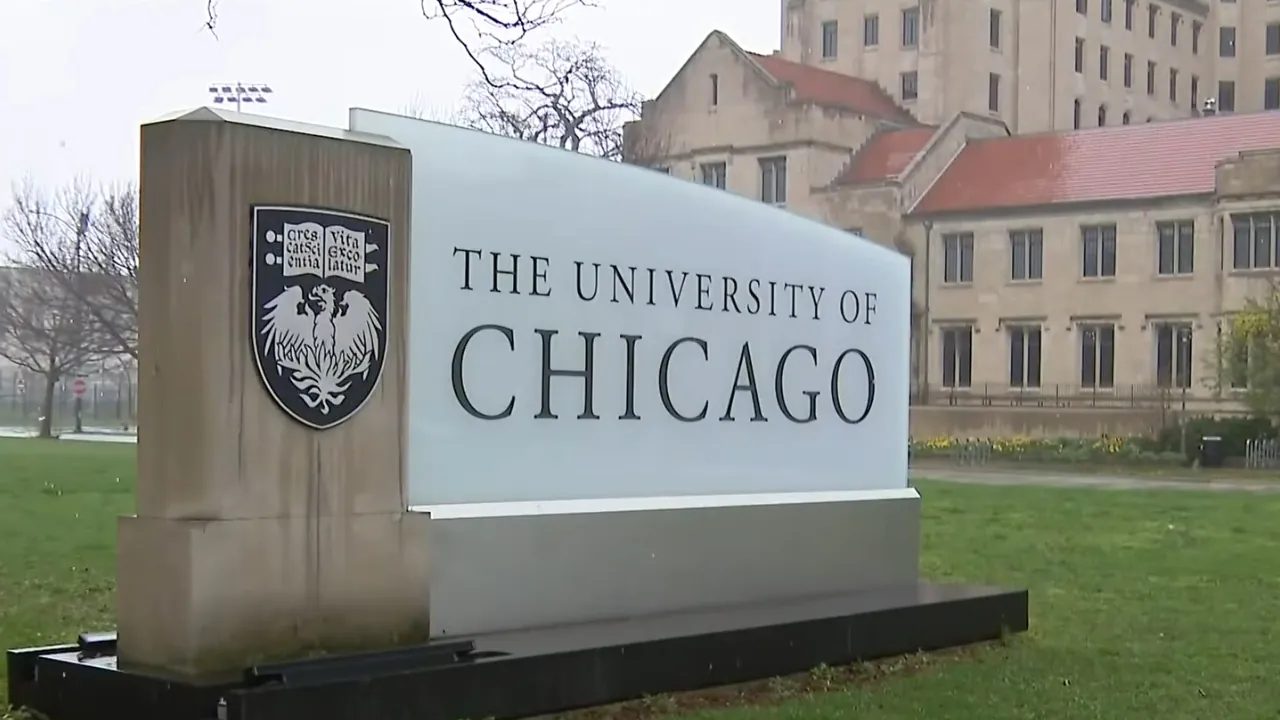
University of Chicago Law School began reviewing its policies soon after ChatGPT became publicly available in late 2022.
An AI committee was formed in early 2023, followed by new guidance, curriculum changes, and consultations with students, faculty, alumni, law-firm leaders, business leaders, legal-technology executives, and practicing associates.
Chicago released “Rethinking Legal Education in the AI Era” on July 9, 2026. During the 2026-2027 academic year, students in required first-year core courses will generally be prohibited from using laptops, tablets, phones, and similar devices in class.
Why the Law School Is Making the Change
Concerns behind the policy extend past classroom distraction.
Chicago is responding to weakened independent thought, AI-assisted misconduct, and assignments that no longer measure student ability as reliably as they once did.
Protecting Independent Thought
Dean Adam Chilton has said students must learn to think for themselves.
Legal education requires close reading, legal writing, oral advocacy, problem-solving, professional judgment, and application of rules to facts.
AI can provide polished answers before students have worked through difficult material. Chicago values the effort involved in reading, making mistakes, revising arguments, and comparing opposing positions.
A correct AI answer has limited educational value when a student cannot explain it. Inaccurate output creates greater risks when it includes fabricated authorities, missing issues, or weak reasoning.
Students need legal knowledge before they can supervise automated work effectively.
Responding to AI-Assisted Academic Misconduct
Colleges have struggled with AI-written essays, chatbot-assisted exams, fabricated citations, and work students cannot explain.
Online academic services also complicate questions about authorship. Platforms such as PapersOwl connect students with human writers for essays, research papers, editing, and other assignments, making clear academic-integrity rules important even when generative AI is not involved.
Brown University recently disciplined dozens of students after administrators described widespread AI-assisted cheating.
Reports involving Brown, Harvard, and other institutions have increased concern about students completing coursework without building independent reasoning skills.
Take-home assignments and remote exams are difficult to monitor because students can use AI privately.
Chicago is responding with in-person exams and oral defenses instead of relying mainly on AI-detection software.
The AI effect: University of Chicago Law School opts to prohibit electronic devices in some classrooms. https://t.co/jqFg17oyYC — Chicago Tribune (@chicagotribune) July 14, 2026 Chicago’s strategy changes both classroom conduct and assessment. Device restrictions will apply most consistently during the first year, while exams and major assignments will place greater weight on direct demonstration of legal knowledge. Students will generally keep electronic devices closed or put away. Chicago wants to prevent AI-assisted answers during classroom questioning, reduce distraction, and stop students from shifting difficult reasoning to automated systems. First-year courses are treated as foundational because students learn how to read cases, identify rules, apply doctrine, and defend arguments. Socratic teaching will continue to require live answers, close listening, and immediate defense of legal reasoning. Major research papers may include oral defenses. Students may need to explain their thesis, research process, reasoning, and writing choices. Elective courses will continue to use Socratic discussion, restricted devices, and controlled examinations as default practices, though professors will have more flexibility. Other assessment methods may include midterms, group projects, oral presentations, peer feedback, and short assignments completed during a course. Chicago calls the coordinated first-year approach a pilot for the 2026–2027 academic year. Rules may be revised as technology and legal practice change. Restrictions in first-year core classrooms do not mean Chicago is rejecting AI across legal education. School leaders recognize that students need both independent legal skills and practical experience with tools already used by attorneys. Law firms increasingly expect junior attorneys to use such tools while protecting confidentiality, checking sources, and accepting responsibility for final work. An April AI Exposure Index classified 100 percent of legal occupations as having high exposure to AI. Garfield AI, a UK-based firm, used an AI system to collect witness statements and prepare a successful case later presented in court by a human barrister. Legal education cannot ignore technology already used in practice. Chicago wants students to think without AI, with AI, and about AI. Required first-year core courses will focus on independent analysis. Legal Research and Writing will include supervised AI use because many students may encounter such tools during summer legal employment. Students should finish the first year able to assess AI output, identify defects, improve it, and supervise the tool. Supporters view the policy as a way to improve attention, strengthen foundational abilities, simplify enforcement, and make grades more reliable. Most arguments focus on the quality of classroom participation and direct proof of individual performance. Screens can divide attention between professors, classmates, notes, messages, websites, and AI tools. Socratic instruction requires close listening, quick reasoning, and immediate responses. Classroom scribes can preserve a shared digital record. Students need practice analyzing unfamiliar legal problems without immediately using AI. Foundational knowledge also helps students review AI-generated legal work later. One coordinated policy is easier to understand than separate rules in every first-year class. Uniform rules also reduce uncertainty about whether a student is taking notes, browsing unrelated material, searching for an answer, or consulting AI. Approved exceptions preserve limited flexibility. In-person exams test recall, legal analysis, organization, and writing without outside assistance. Oral defenses test command of research, responsiveness, judgment, and ownership of submitted work. Direct assessment may provide more reliable evidence of student ability than AI-detection software. University of Chicago Law School announced its AI strategy on July 9, 2026. Required first-year core classes will generally operate without personal electronic devices during the 2026–2027 academic year. Exams will restrict internet access, files, applications, and AI tools. Major papers may include oral defenses. Chicago’s central principle is sequencing. Students should first develop legal reasoning, writing, and judgment independently. AI should then support those abilities instead of replacing them. Pilot results will show if the policy improves learning without creating excessive accessibility, workload, or professional-preparation problems.
What the New Policy Requires
Laptop-Free First-Year Classes
Changes to Examinations and Assignments

A Policy That May Change
AI Is Not Completely Banned
AI Is Already Part of Legal Practice
Separating Foundational Learning and AI-Assisted Work
Arguments Supporting the Laptop-Closed Policy

It May Improve Classroom Engagement
It Reinforces Core Legal Skills
It Offers a Clearer Standard
It Preserves Trust in Assessment
Summary