President Donald Trump is pressing Health and Human Services Secretary Robert F. Kennedy Jr. to reduce the number of vaccines recommended for American children, according to a new report describing growing tension inside the nation’s largest health department.
Trump has also reportedly demanded faster answers about the causes of autism and questioned why Kennedy has not yet delivered the major vaccine changes expected by parts of the administration’s political base.
The pressure places the United States secretary of health and human services at the center of another fight over childhood immunization policy, federal health research and the future direction of the Centers for Disease Control and Prevention.
Kennedy remains in office and the administration has not announced a formal plan to remove specific childhood vaccines. The dispute shows that broader changes may still be under consideration after earlier attempts to revise federal recommendations ran into legal and procedural barriers.
Trump Wants Faster Changes to the Childhood Vaccine Schedule
Trump has repeatedly asked Kennedy to examine the number of shots given to children and investigate possible causes of autism, according to reporting on discussions inside the administration.
The president has reportedly focused on the measles, mumps and rubella vaccine, commonly known as MMR, as well as the use of acetaminophen during pregnancy.
Large scientific reviews have not established that vaccines cause autism. The federal guidance on vaccines and autism states that studies have found no link between receiving vaccines and developing autism spectrum disorder.
Kennedy has spent years criticizing vaccine policy and questioning the agencies responsible for setting federal recommendations. Since taking over HHS, he has gained authority over the CDC, Food and Drug Administration, National Institutes of Health and several other agencies that influence vaccine approval, research and access.
The current HHS leadership profile identifies Kennedy as the 26th person to lead the department. HHS oversees programs and agencies with a combined budget approaching $2 trillion.
No Immediate Vaccine Removal Has Been Announced
Parents should not interpret the latest report as an announcement that routine childhood vaccines have already been removed.
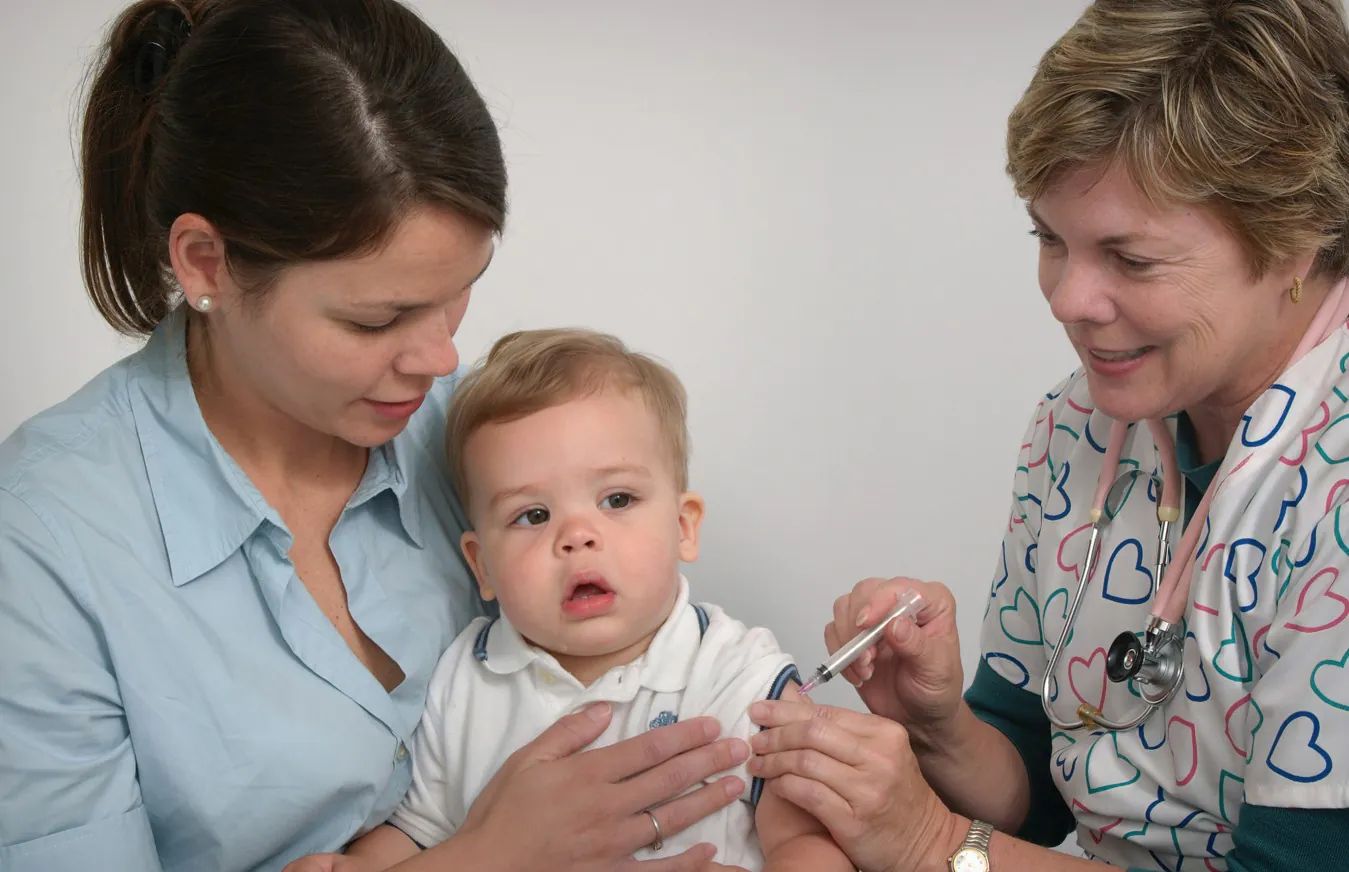
The CDC continues to publish a recommended vaccination schedule for children from birth through age 18. The schedule covers protection against diseases including measles, polio, hepatitis, whooping cough, influenza and meningococcal disease.
Recommendations can affect far more than medical advice. They may influence insurance coverage, school vaccination policies, doctor practices and eligibility for publicly funded vaccine programs.
A decision to remove or weaken a recommendation could therefore change how easily families obtain a vaccine, even when the product remains legally available.
States generally control school vaccination requirements, but many rely on federal medical guidance when deciding which shots children need before entering classrooms.
Any major national change would also require agencies to explain how doctors should treat children with different medical risks, previous vaccine histories and incomplete immunization records.
Earlier Changes Faced a Court Challenge
Kennedy previously moved to restructure the federal committee that advises the CDC on vaccine use.
He dismissed the existing members of the Advisory Committee on Immunization Practices and appointed a new group. A federal judge later blocked major actions associated with the overhaul after finding that the process likely violated federal requirements governing advisory committees.
The legal dispute created uncertainty around vaccine recommendations and delayed additional meetings, according to coverage of the court decision.
Kennedy’s team is now reportedly working to reorganize the advisory process and continue research into childhood vaccination practices.
Federal vaccine recommendations normally pass through several stages. Scientific advisers review evidence on disease risks, safety, effectiveness and dosing. The CDC then decides whether to adopt the recommendation.
A secretary can strongly influence that process, but abrupt changes can still be challenged when agencies fail to follow federal law or established procedures.
Autism Research Is Driving Part of the Pressure
Trump has reportedly expressed frustration that Kennedy has not produced clearer findings about what causes autism.
The number of children identified with autism has increased considerably over recent decades. Current CDC prevalence estimates indicate that about one in 31 eight-year-old children has been identified with autism spectrum disorder.
A rising identification rate does not prove that a single environmental exposure or medical product caused the increase.
Researchers have pointed to several contributing factors, including broader diagnostic criteria, better screening, greater awareness, improved access to services and possible differences in how communities collect records.
Autism is a developmental condition with no single known cause. Genetics play a major role, and researchers continue to examine biological and environmental factors that may affect development.
The CDC’s national monitoring network tracks autism identification across selected communities rather than conducting a complete count of every child in the country.
Kennedy Faces Pressure From Both Sides
Kennedy is now caught between Trump’s demand for faster action and medical groups that say federal vaccine policy should remain based on established scientific review.
Supporters of Kennedy argue that the government should reconsider long-standing assumptions, publish more safety data and provide parents with greater transparency.
Public health experts warn that reducing recommendations without strong evidence could lower vaccination rates and allow preventable diseases to spread.
Measles is one of the clearest concerns because it can move rapidly through communities with low immunization levels. Two doses of the MMR vaccine are about 97% effective at preventing measles, according to current federal vaccine information.
The political stakes are also growing inside HHS. Trump administration officials have reportedly discussed giving Centers for Medicare and Medicaid Services leaders greater responsibility for department operations as Kennedy tries to advance his Make America Healthy Again agenda.
Kennedy has recently placed more public attention on food ingredients, nutrition, chronic disease and hospital meals. HHS describes the broader national health initiative as an effort to reduce chronic disease and examine underlying causes of poor health.
The Bottom Line
Several developments would show whether the pressure from Trump turns into an actual policy change.
The most important will be any revised CDC childhood schedule, new appointments to the federal vaccine committee or formal HHS studies examining vaccine safety and autism.
Families should also watch for changes in insurance coverage and state requirements. A federal recommendation can shape access even without creating a direct national mandate.
For now, the existing childhood schedule remains available through the CDC, and no nationwide order has removed routine vaccines from pediatric care.
The larger story is no longer simply Kennedy’s long-standing criticism of vaccine policy. The president is now reportedly asking his health secretary to move faster, creating a direct test of how far the administration can reshape childhood medicine and how much resistance it will face from courts, researchers and doctors.