
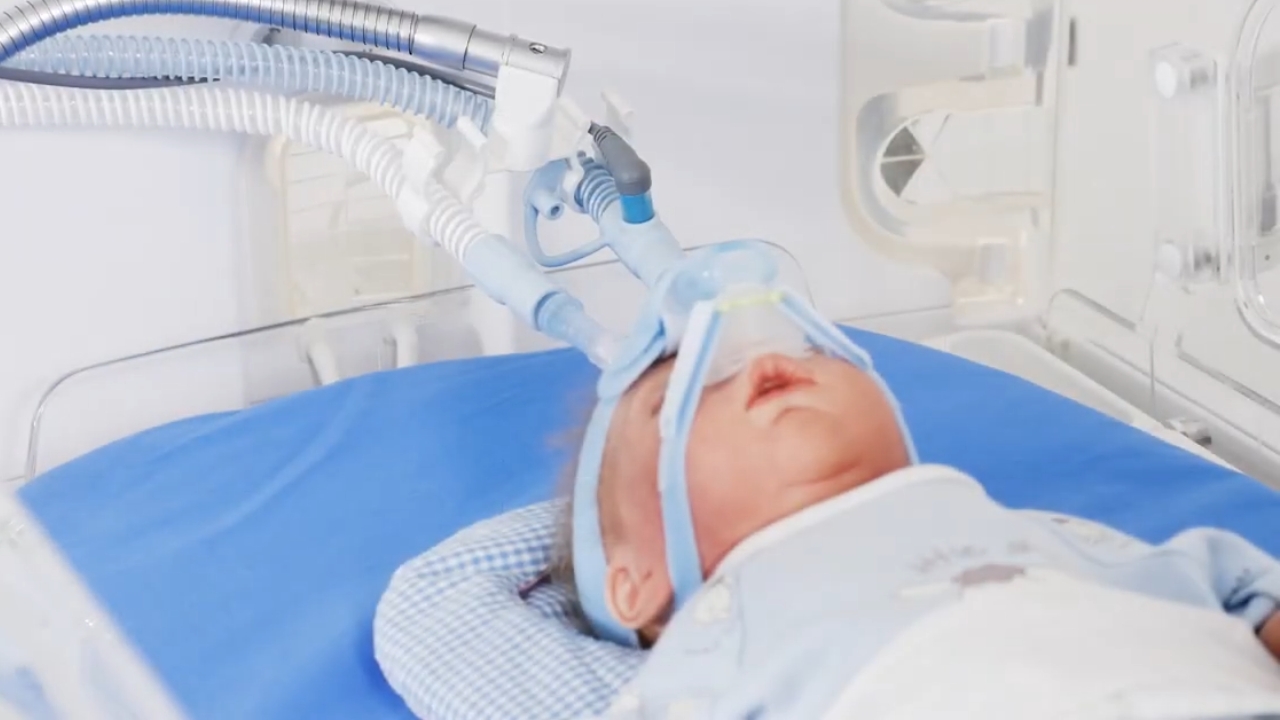
Federal regulators have issued an early safety alert involving a disposable breathing circuit used to provide respiratory gas to newborns and infants during critical and emergency care.
FDA officials announced the alert on September 3, 2026, after Draeger identified a potential problem involving its VentStar Resus Neo breathing circuit, model MP00310.
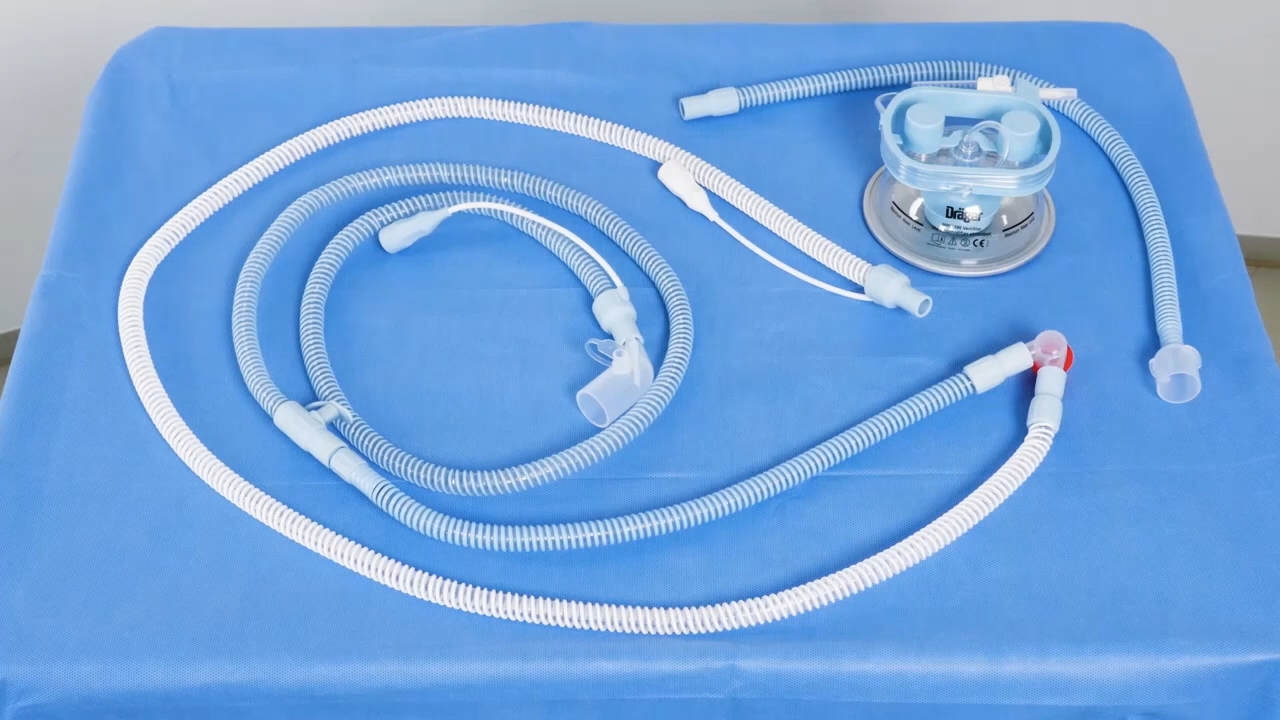
Designed for infants weighing up to 22 pounds, the circuit carries breathing gas between respiratory equipment and a patient.
Possible consequences include oxygen desaturation, hypoxia, treatment delays, and, in severe circumstances, death.
No serious injuries or deaths had been reported as of August 27, 2026. Still, the potential severity of interrupted ventilation prompted federal officials to alert hospitals and healthcare professionals while the issue continues to be reviewed.
What Is Wrong With the VentStar Resus Neo Circuit?
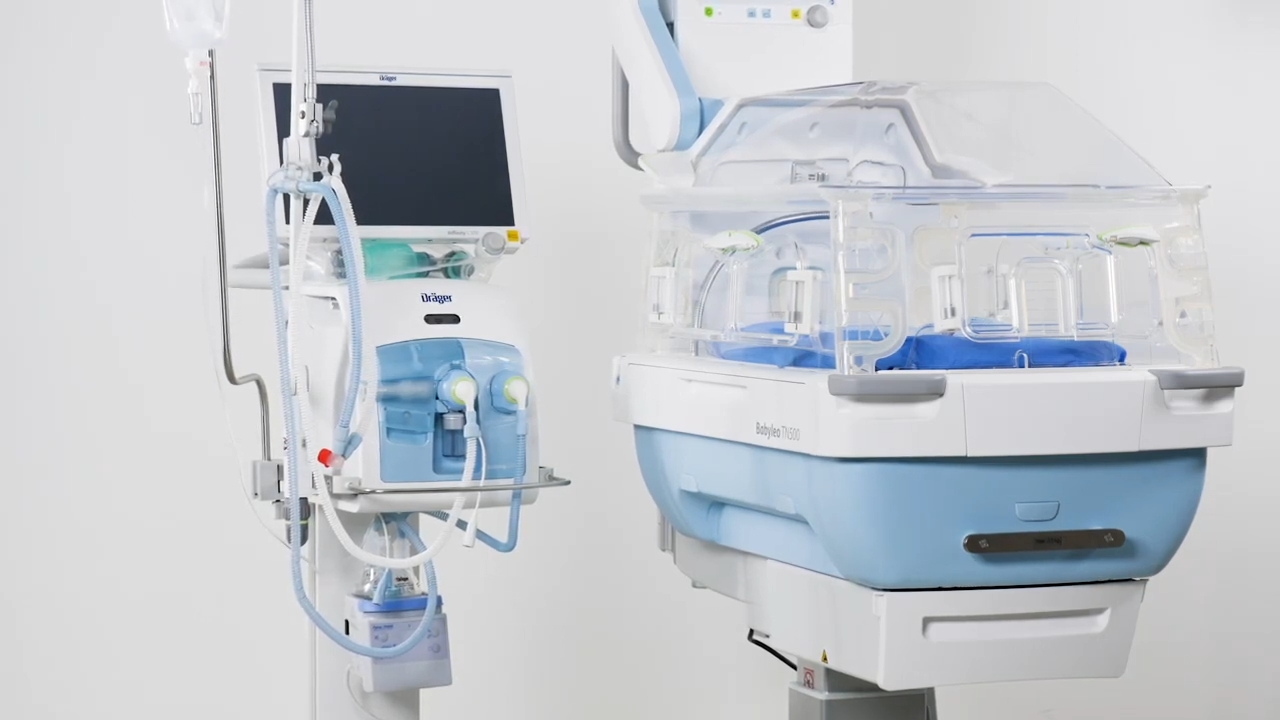
Affected equipment has been identified as the VentStar Resus Neo manufactured by Draeger.
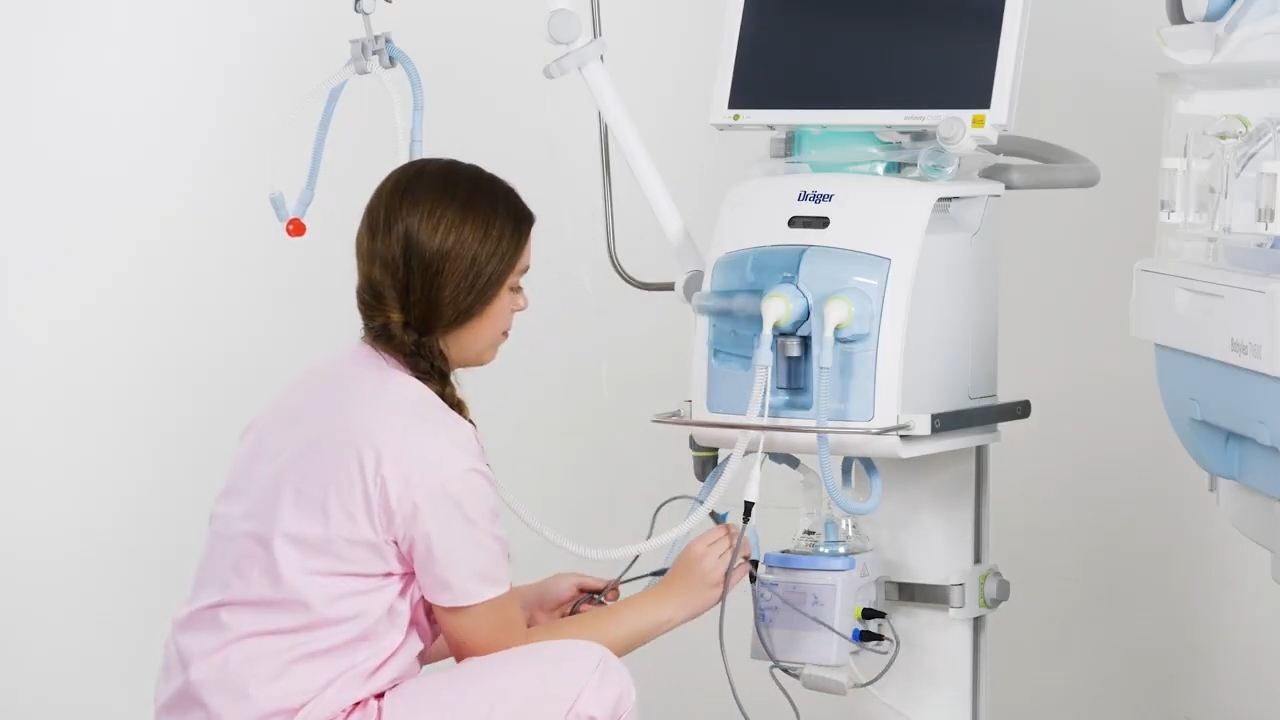
Draeger learned of cases in which users noticed visible cracks in breathing hoses before connecting the circuits to patients. Physical damage may create several problems during respiratory therapy. A cracked section can allow breathing gas to escape instead of reaching the infant. More severe damage may cause the hose to separate entirely, interrupting the intended delivery of respiratory gas. Reduced ventilation is especially serious in emergency care because clinicians may have little time to identify and correct equipment problems while treating an unstable patient. Any interruption may also delay respiratory therapy while staff replaces the damaged circuit. Even a small crack may interfere with that process if enough gas escapes. Once ventilation becomes inadequate, oxygen levels in the blood can begin to fall. Such a decline is known as oxygen desaturation. Continued inadequate oxygen delivery can progress to hypoxia, meaning body tissues are not receiving enough oxygen. Critically ill newborns and infants may be especially vulnerable because their condition can deteriorate quickly when breathing support is interrupted. Severe oxygen deprivation during neonatal care can lead to lasting neurological injury in some cases. When such harm may involve preventable medical negligence, firms such as Lynch Law Firm, P.C. represent families pursuing birth injury claims. Potential harm does not mean every damaged circuit will cause an injury. Risk depends on factors such as the severity of the defect, how quickly clinicians identify it, and the infant’s medical condition. Still, possible oxygen deprivation makes even a visible equipment defect significant in neonatal and infant care. Draeger notified affected customers on September 1, 2026, outlining steps intended to prevent damaged circuits from being used on patients. Clinicians should inspect each breathing circuit before use according to the device’s Instructions for Use. Particular attention should be given to visible cracks, physical damage, or hose separation. Any damaged circuit should be discarded immediately. Returning defective units to Draeger is not required, meaning healthcare facilities can remove compromised products without waiting for additional handling instructions. Pre-use inspection is especially important because VentStar Resus Neo circuits may be needed during urgent situations. Time spent troubleshooting a leak after respiratory support has already begun could delay effective ventilation. Hospitals may also benefit by making sure respiratory therapists, nurses, physicians, and other staff who handle these circuits know what type of damage has been reported. Clear procedures also support patient safety, particularly when staff must identify equipment problems before urgent respiratory care begins. Familiarity with the problem may make visible cracks easier to recognize before equipment reaches a patient. Current FDA communication regarding VentStar Resus Neo is an Early Alert involving a potentially high-risk medical device issue. An Early Alert gives healthcare providers timely information while federal officials continue reviewing reports, manufacturer actions, and potential risks. Such notices can be issued before every regulatory detail has been finalized. Labeling the Draeger action as a formally classified recall would therefore be premature unless federal regulators later assign that status. FDA officials have said additional information will be added if significant developments occur. Hospitals should consequently rely on current agency notices when determining the regulatory status of affected devices rather than assuming an Early Alert carries the same classification as a completed recall action. Such distinctions matter because different FDA communications can involve different manufacturer actions, risk assessments, and instructions for handling affected products. One important detail offers healthcare facilities a practical way to reduce risk. Reported cracks were visible to users before the circuits were used. Visible damage gives clinicians an opportunity to identify a defective hose before it is attached to an infant. Careful inspection can therefore act as an immediate safety barrier. Staff can examine the circuit, remove any damaged product, and replace it before respiratory therapy begins. Such detection does not eliminate the seriousness of the defect. It does, however, provide hospitals with a direct action they can take while regulatory review continues. Serious respiratory complications are especially important in neonatal care, where broader infant mortality in the U.S. remains an important public health measure. No serious injuries or deaths had been linked to the issue as of August 27, 2026. Continued inspection is important precisely because early detection may help keep a defective unit away from a vulnerable patient. Draeger’s warning is not the only recent FDA action involving respiratory equipment used for infants. A separate issue has affected Medline/Hudson RCI Neonatal and Infant Heated Wire Breathing Circuits. Products involved in that action are different devices with a different defect, so the two safety concerns should not be treated as interchangeable. Reported problems involving the Medline circuits centered on electrical connectors. Incidents included discoloration, melting, smoke, burning odors, and localized thermal damage. Failure of the heated-wire function can also interfere with proper warming and humidification of respiratory gas. Such problems may increase condensation or contribute to airway complications and respiratory distress. Current federal information identifies the Medline action as a Class II recall. Customers with affected products have been instructed to quarantine and destroy them. Recent federal safety communications have also addressed several other hospital devices, placing neonatal breathing equipment within a larger series of medical-device safety actions. Frequent alerts reinforce why hospitals need reliable processes for reviewing notices, locating affected inventory, and communicating new instructions to clinical teams. Parents should view the VentStar Resus Neo alert primarily as a hospital equipment safety matter rather than a warning about a consumer product. Inspection of breathing circuits is a responsibility for trained healthcare staff. Families are not expected to examine respiratory equipment or determine if a circuit is safe for clinical use. Parents of an infant receiving breathing assistance also should not interpret the alert as a reason to avoid medically necessary respiratory care. Mechanical respiratory support can be critical for newborns and infants who cannot breathe adequately on their own. Hospital teams are responsible for checking equipment, removing damaged products, and selecting appropriate replacement devices when necessary. Families who have concerns about equipment being used during care can ask the clinical team about hospital safety procedures and how respiratory circuits are inspected before use. Hospitals and healthcare professionals should continue watching FDA communications as review of the Draeger issue progresses. Additional findings could change product instructions, regulatory classification, or recommended actions for affected facilities. Suspected device problems and adverse events can be reported through the FDA MedWatch program. Reporting gives regulators additional information that can help identify patterns, assess clinical consequences, and determine if further action is needed. Healthcare facilities with affected equipment may also contact Draeger using the contact details listed in the federal safety notice. Internal reporting can be equally important. Staff who discover a cracked circuit should follow their facility’s procedures for documenting defective equipment so purchasing, biomedical, respiratory therapy, and patient safety teams can assess inventory and prevent similar units being used. MedWatch: Breathing Circuit Recall: Medline Removes Neonatal and Infant Heated Wire Breathing Circuits https://t.co/bvdubo3Bfn — U.S. FDA Recalls and Alerts (@FDArecalls) September 1, 2026 A small physical defect in an infant breathing circuit can create serious consequences if it interferes with ventilation. Visible cracks or hose separation in VentStar Resus Neo circuits could allow respiratory gas to escape, reduce oxygen delivery, and potentially contribute to desaturation or hypoxia. Careful inspection before each use is currently the most immediate protective measure. Damaged circuits should be discarded before they are connected to a patient. No serious injuries or deaths had been reported as of August 27, 2026, but the possible consequences of interrupted ventilation justify close attention. Continued monitoring of FDA updates will also be important as federal officials gather more information about the issue.
Why the Defect Could Lead to Hypoxia
Infants receiving respiratory support depend on an intact circuit to carry gas effectively between the equipment and their airway.
What Hospitals and Clinical Staff Are Being Told to Do
Early Alert vs. Formal Recall
Why the Problem May Be Detectable Before a Patient Is Harmed
Other Neonatal Breathing Circuit Safety Actions
What Parents Should Know
Reporting Problems and Monitoring Updates
FAQs
Summary