

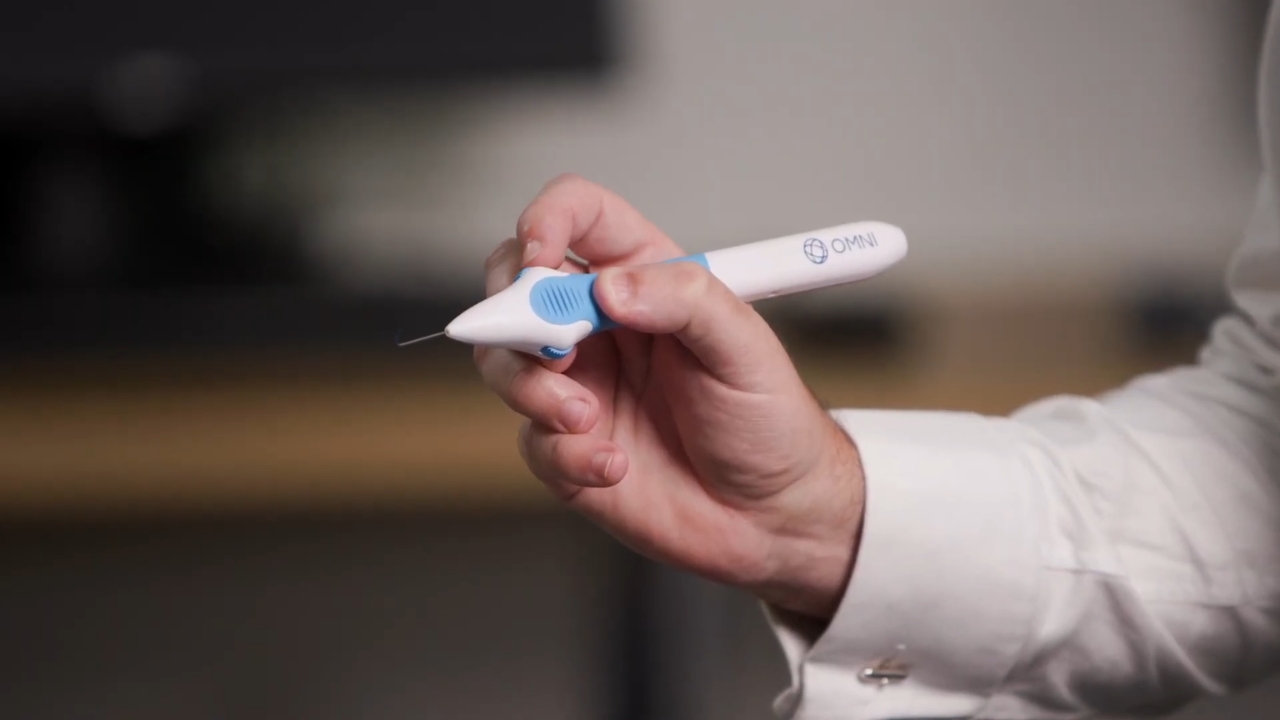
Sight Sciences has received FDA 510(k) clearance for its OMNI Ultra Surgical System, adding a new implant-free option for adults with primary open-angle glaucoma.
Cleared in August 2026, OMNI Ultra is designed to reduce intraocular pressure through minimally invasive glaucoma surgery. Treatment combines canaloplasty and trabeculotomy in one procedure while leaving no permanent implant inside the eye.
Unlike many MIGS technologies that rely on implanted hardware, OMNI Ultra works with the eye’s existing drainage anatomy.
Surgeons can perform the procedure on its own or alongside cataract surgery, giving ophthalmologists another way to address elevated intraocular pressure in patients with POAG.
What the FDA Clearance Covers
FDA clearance was granted through the 510(k) pathway, which evaluates whether a medical device is substantially equivalent to a legally marketed predicate device.
OMNI Ultra is indicated for adult patients with primary open-angle glaucoma. Its intended use involves canaloplasty followed by trabeculotomy to help reduce intraocular pressure.
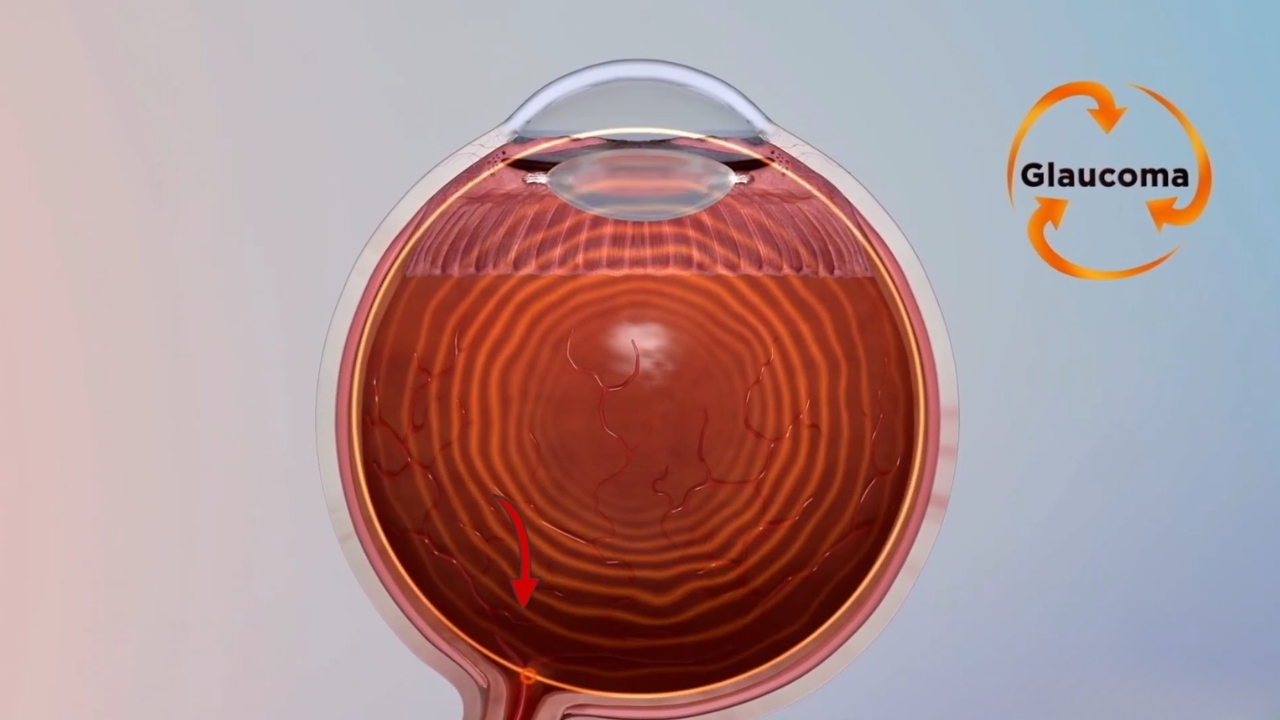
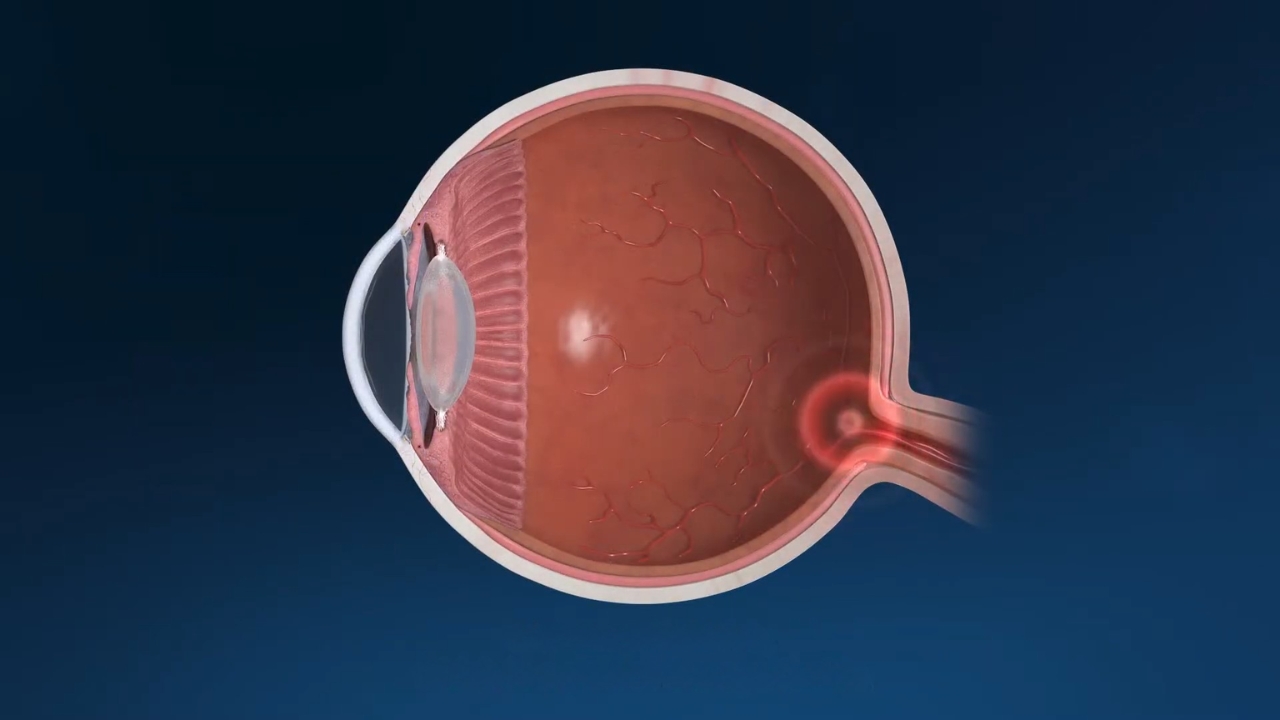
Clearance through the 510(k) process differs from premarket approval. A 510(k) submission generally relies on substantial equivalence to an existing device rather than requiring an entirely new large-scale clinical efficacy trial for every redesigned feature. OMNI Ultra builds on earlier OMNI systems that have already been used in clinical practice, while introducing changes intended to improve procedural control and efficiency. Minimally invasive glaucoma surgery has expanded treatment choices for patients whose disease requires more intervention than medications or laser therapy alone but who may not yet need traditional filtering surgery. Patients considering procedural treatment can also consult experienced ophthalmology providers such as Loden Vision Centers to discuss glaucoma management options based on their diagnosis, eye health, and treatment history. Implant-free MIGS represents one approach within that broader category. OMNI Ultra does not leave a permanent stent or other device inside the eye. Instead, treatment modifies existing drainage structures to help aqueous humor exit more efficiently. Preserving conjunctival tissue can be particularly relevant because patients with progressive glaucoma may require additional surgery later. Avoiding an implant does not automatically mean better clinical outcomes. Comparative studies are still needed to determine how implant-free procedures perform against implant-based MIGS options across different patient populations. Resistance within any of these areas can contribute to elevated pressure inside the eye. OMNI Ultra is designed to address all three areas through a single clear-corneal microincision. Treatment combines two established surgical techniques. Canaloplasty involves catheterizing Schlemm’s canal and delivering viscoelastic material to dilate the canal. Viscodilation is intended to improve access through the conventional drainage pathway and reduce resistance associated with Schlemm’s canal and downstream collector channels. Trabeculotomy addresses resistance at the trabecular meshwork. During treatment, part of the trabecular meshwork is opened to improve aqueous humor access into Schlemm’s canal and the collector system. Combining canaloplasty and trabeculotomy allows surgeons to target several potential sources of outflow resistance during one procedure. No permanent implant is left inside the eye once treatment is complete. OMNI Ultra introduces several design changes compared with earlier versions of the OMNI platform. Key updates focus on circumferential treatment, viscoelastic delivery, catheter visibility, and procedural control. OMNI Ultra is described as the first FDA-cleared MIGS device capable of performing circumferential canaloplasty in a single pass. Traditional canaloplasty techniques can require additional catheter manipulation to treat a broad portion of Schlemm’s canal. OMNI Ultra is designed to simplify that process while maintaining access to the full conventional outflow pathway. Single-pass treatment could also help surgeons complete canaloplasty with fewer procedural steps, although additional real-world data will be needed to determine how much efficiency improves in routine practice. Another major addition is TruSync Plus technology. TruSync Plus regulates viscoelastic delivery as the microcatheter moves through Schlemm’s canal and during catheter withdrawal. Controlled delivery could make viscodilation more consistent between different portions of the canal and between procedures performed by different surgeons. Clinical evidence specific to TruSync Plus will still be needed to determine how those design changes affect surgical outcomes. Improved catheter visibility is intended to help surgeons track catheter movement and treatment delivery throughout the procedure. Better visualization may make it easier to confirm where treatment has occurred and adjust the procedure according to individual anatomy or disease severity. Surgeons can also tailor the extent of canaloplasty and trabeculotomy based on clinical circumstances. Such flexibility may be useful in both standalone glaucoma surgery and procedures performed alongside cataract extraction. Clinical support for the broader OMNI platform comes largely through studies involving earlier versions of the technology. Results have shown meaningful reductions in intraocular pressure and medication use in patients with open-angle glaucoma. GEMINI was a prospective, multicenter study evaluating earlier OMNI technology used together with cataract surgery. Findings supported the ability of the earlier OMNI platform to reduce IOP and dependence on glaucoma medications after treatment. ROMEO evaluated OMNI procedures performed both as standalone treatments and alongside cataract surgery. Around three-quarters of patients met the study’s composite success endpoint at two years. Extended follow-up also did not report device-related adverse events. Together, GEMINI and ROMEO provide clinical support for the surgical concept used across the OMNI platform, including treatment of multiple areas within the conventional aqueous outflow system. Sight Sciences reported that more than 350,000 procedures had been performed worldwide using OMNI technology as of June 30, 2026. Such adoption provides a large base of practical experience with earlier OMNI systems. OMNI Ultra, however, introduces new technical features that require their own evaluation as surgeons begin using the redesigned system. Published clinical results currently available for the OMNI platform largely involve previous generations of the device. No published clinical outcomes specific to OMNI Ultra were available at the time of early reporting on its FDA clearance. FDA clearance relied on substantial equivalence to earlier OMNI systems, meaning new features such as TruSync Plus and single-pass circumferential canaloplasty have not yet been evaluated in a new large-scale clinical efficacy study dedicated specifically to OMNI Ultra. Future clinical studies and real-world experience may help answer several important questions: Answers will become increasingly important as adoption expands after commercial launch. Glaucoma care has increasingly moved toward earlier procedural intervention for selected patients rather than relying exclusively on escalating medication therapy until more invasive surgery becomes necessary. MIGS has played a major role in that shift. OMNI Ultra adds another option for surgeons who want to treat multiple components of the conventional drainage pathway without placing a permanent implant. Targeting the trabecular meshwork, Schlemm’s canal, and collector channels may allow treatment to address several sources of aqueous outflow resistance during a single procedure. Such characteristics may give surgeons greater flexibility when tailoring treatment according to disease severity, prior therapy, cataract status, and future surgical needs. FDA clearance alone does not establish superiority over competing MIGS technologies. Comparative studies and longer-term clinical data will be necessary before differences in outcomes can be established. Sight Sciences plans to begin commercial availability of OMNI Ultra in the United States during the fourth quarter of 2026. Initial adoption will provide the first broader opportunity to evaluate how the redesigned system performs across routine clinical settings. Clinical experience will also show how often surgeons use OMNI Ultra as a standalone procedure compared with pairing it with cataract surgery. Longer follow-up will be particularly valuable for determining how pressure reduction, medication use, adverse events, and retreatment rates compare with results reported for earlier OMNI technology. FDA clears Sight Sciences’ OMNI Ultra, adding single-pass canaloplasty to its implant-free MIGS platform for open-angle glaucoma.https://t.co/DAUKpqEGs4 — Ophthalmology Times (@OphthTimes) August 14, 2026 FDA clearance of OMNI Ultra marks another step in the development of Sight Sciences’ implant-free glaucoma surgery platform. Single-pass circumferential canaloplasty, TruSync Plus-controlled viscodilation, improved catheter visualization, and treatment across several areas of the conventional outflow pathway give surgeons additional procedural options for adults with primary open-angle glaucoma. Existing OMNI studies provide clinical support for the broader surgical platform, including substantial reductions in intraocular pressure and medication use. OMNI Ultra-specific evidence is still limited, however. Real-world data and future clinical studies will be important for determining if its updated design produces measurable improvements in procedural efficiency, consistency, safety, or patient outcomes.
Why an Implant-Free Approach Matters
How OMNI Ultra Works
Healthy intraocular pressure depends partly on the eye’s ability to drain aqueous humor efficiently. Fluid normally exits through a conventional drainage pathway that includes the trabecular meshwork, Schlemm’s canal, and collector channels.Canaloplasty
Trabeculotomy
What Is New About OMNI Ultra
Single-Pass Circumferential Canaloplasty
TruSync Plus Technology
Improved Visualization and Customization
Clinical Evidence Behind the OMNI Platform
GEMINI Study
ROMEO Study
Broader Adoption
OMNI Ultra-Specific Evidence Is Still Limited
Potential Significance for Glaucoma Treatment
Commercial Launch and Next Steps
Summary