
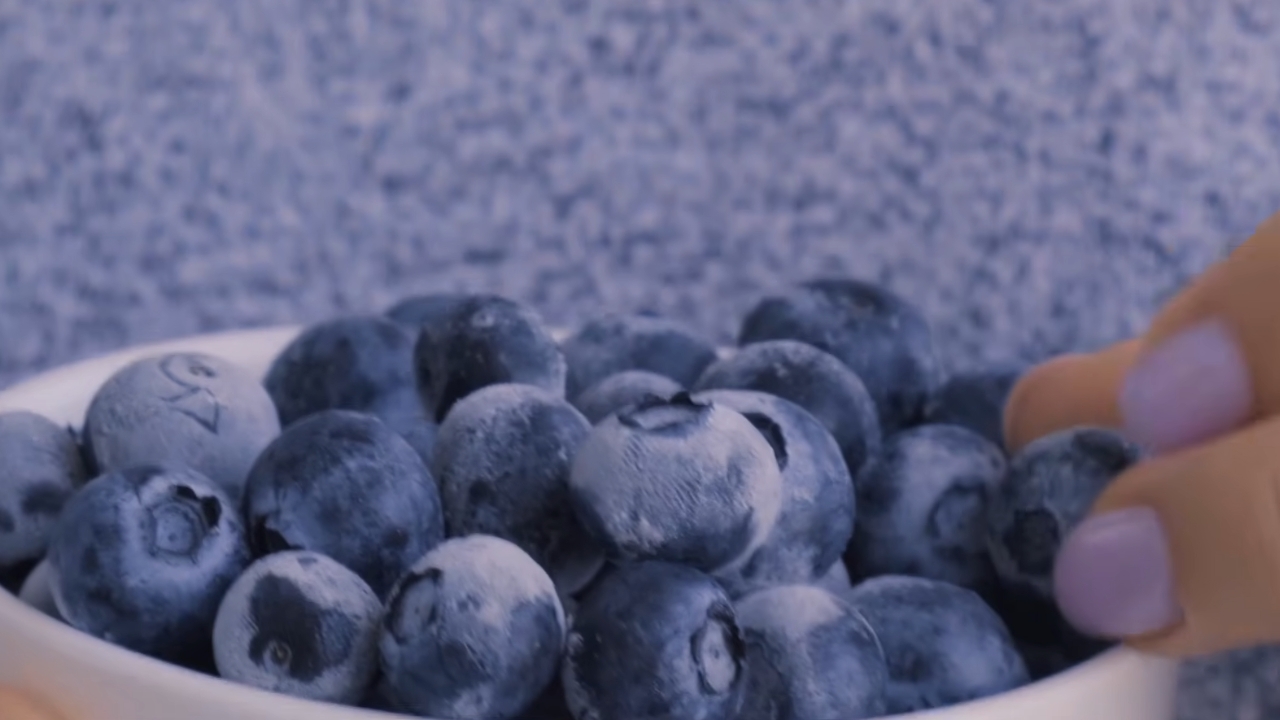
FDA officials have upgraded a recall involving frozen blueberries and mixed berries sold at Publix to a Class I recall, the agency’s highest health-risk classification.
Federal regulators assigned the Class I designation on Aug. 18, 2026, after the products were recalled over possible E. coli contamination.
Affected products include GreenWise Organic Whole Blueberries and GreenWise Organic Whole Mixed Berries sold at Publix stores across eight states.
Class I recalls apply when there is a reasonable probability that use of or exposure to a product could cause serious adverse health consequences or death.
Publix Recalled All Lots in July
View this post on Instagram
Publix first announced the recall on July 29, 2026, almost three weeks before federal regulators elevated its classification.
All lots of four GreenWise frozen berry products were included because of possible E. coli contamination.
Packages covered by the recall have expiration dates before Feb. 9, 2028. Consumers can use package size, UPC number, product name, and expiration date to check frozen berries stored at home. Frozen berries sold in North Carolina and 8 other states are being recalled. Here’s what to check your freezer for. https://t.co/R8Aa79YfXX — The Fayetteville Observer (@fayobserver) August 21, 2026 Most affected locations are concentrated across the Southeast, where Publix operates a large network of stores. Customers who purchased recalled frozen blueberries or mixed berries should throw them away or return them to Publix for a full refund. Long freezer life makes consumer checks especially important. Expiration dates extending into 2028 mean some recalled packages may still be sitting in household freezers after affected products have disappeared from store shelves. CDC data cited in reporting on the investigation lists 12 people infected with the outbreak strain of E. coli in two states. No deaths connected with that outbreak had been reported as of Aug. 19. Health investigators have identified the strain involved in broader outbreak reporting as E. coli O145. Available reporting places those illnesses within coverage of the frozen berry investigation, although it does not establish in every case that a recalled Publix package caused each infection. Federal and state health officials continue to investigate foodborne illness cases and potential sources as recall activity proceeds. FDA action on Aug. 18 changed the status of an existing recall rather than launching a new one. Publix had already pulled all lots of the affected GreenWise products on July 29 because of potential E. coli contamination. Class I classification gives the recall greater urgency because federal regulators reserve that category for situations involving a reasonable probability of serious health consequences or death. Such a designation represents the highest level in the FDA recall system. Frozen blueberries now covered by that classification include both 10-ounce and 48-ounce GreenWise Organic Whole Blueberries packages, along with GreenWise Organic Whole Mixed Berries in the same sizes. Some infections can progress to hemolytic uremic syndrome, commonly known as HUS. HUS can damage the kidneys and may lead to kidney failure. Serious cases can become life-threatening, which helps explain why regulators placed the frozen blueberries recall in the highest federal risk category. Anyone experiencing serious symptoms after eating a recalled product should seek medical care. Recent weeks have brought several major food recalls and outbreak investigations across the United States. Other cases have involved Argentine beef, millions of eggs, prepared foods containing jalapeños, and lettuce. FDA officials also upgraded an egg recall to Class I roughly one week before the frozen blueberries action because of possible salmonella contamination. Separate concerns involving jalapeños have been connected with a Salmonella Javiana outbreak, while lettuce has been associated with Cyclospora investigations. Those cases involve different pathogens and separate investigations. None should be treated as part of the E. coli concern tied to the GreenWise frozen berry recall. Consumers with GreenWise frozen blueberries or mixed berries should check their freezers for recalled packages. Products covered by the recall are GreenWise Organic Whole Blueberries and GreenWise Organic Whole Mixed Berries sold in 10-ounce and 48-ounce packages. Expiration dates before Feb. 9, 2028, fall within the recall. Affected packages should not be eaten. Consumers can discard them or return them to Publix for a full refund. FDA classification now places these frozen blueberries and mixed berries under its most serious recall category because potential E. coli exposure could result in serious health consequences.
Recalled Berries Were Sold in Eight States
Twelve E. Coli Infections Reported
FDA Raises Recall to Highest Risk Category
E. Coli Can Cause Serious Illness
E. coli refers to a large group of bacteria. Certain strains can cause significant gastrointestinal illness.
Berry Recall Joins Wider Food Safety Concerns
What Consumers Should Check
References