
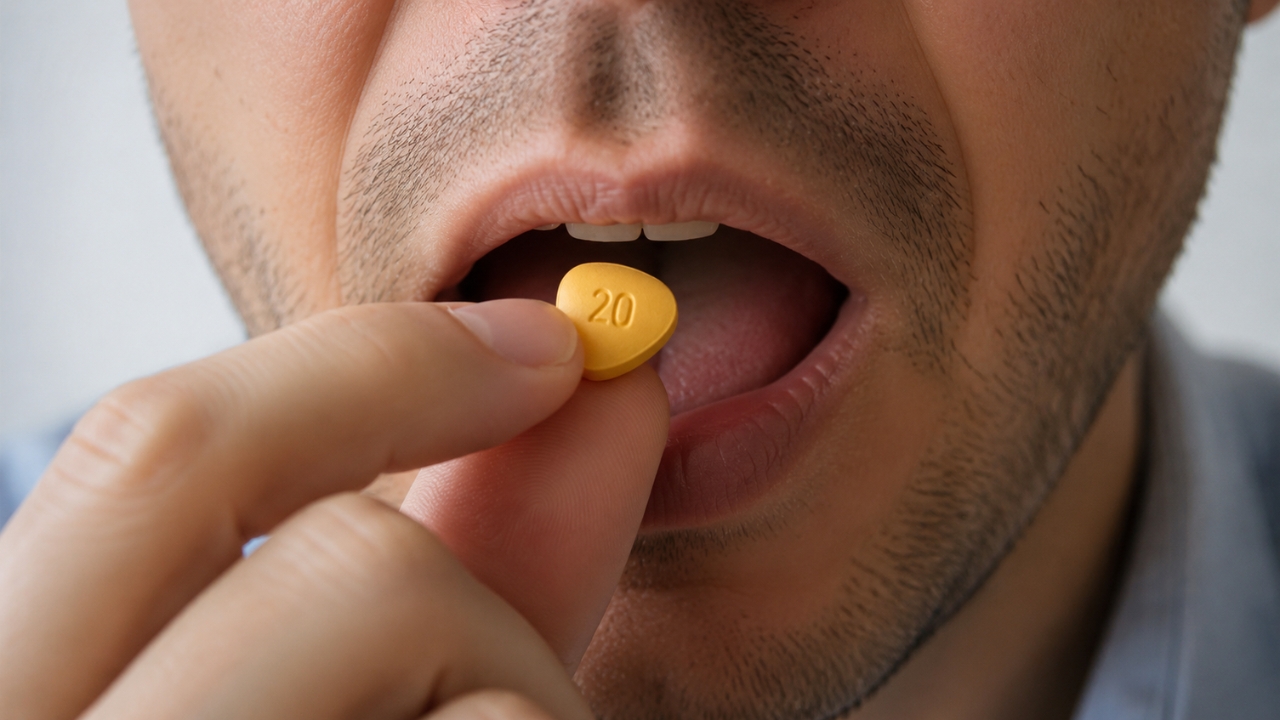
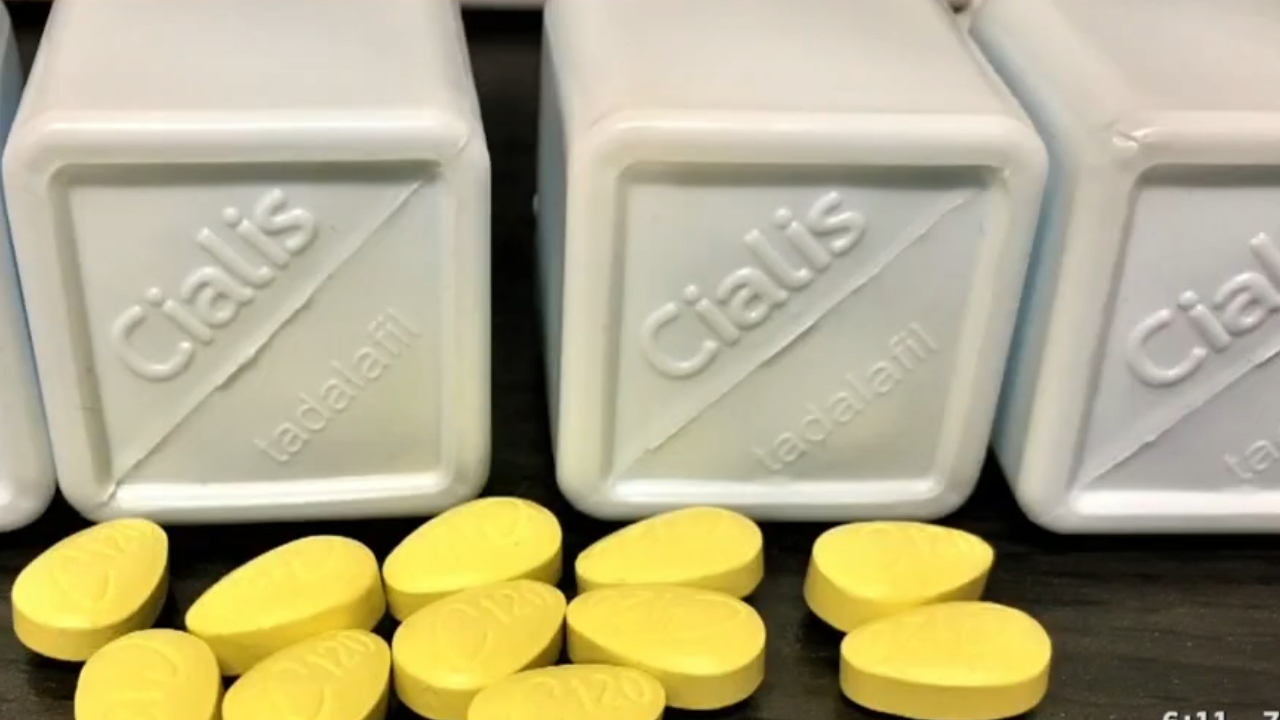
A medication better known for helping men with erectile dysfunction has attracted attention for a very different reason: eye health.
A large study published in August 2026 found that men taking tadalafil, the active ingredient in Cialis, for urinary symptoms associated with an enlarged prostate had a higher rate of glaucoma over five years than similar men who did not use PDE5 inhibitor drugs.
The difference was statistically significant, although the overall rate remained fairly low and the research cannot establish that tadalafil caused the disease.
For people taking Cialis, especially every day or over a long period, the sensible response is awareness rather than panic. Researchers say the findings support closer eye monitoring, particularly when other glaucoma risk factors are already present.
What Did the New Tadalafil Study Find?
The strongest headline number is a 22% higher relative risk of glaucoma.
Researchers behind the August 4, 2026 British Journal study examined electronic health records from the multinational TriNetX database. They focused on men aged 40 or older who had lower urinary tract symptoms, commonly associated with benign prostatic hyperplasia (BPH).
Men who used the PDE5 inhibitor tadalafil (Cialis) for lower urinary tract symptoms (LUTS) had an increased likelihood of developing glaucoma-related clinical events, according to a large retrospective study.
Read more at: https://t.co/d7d2vlwBbM
— MedPage Today (@medpagetoday) August 6, 2026
People with an existing glaucoma diagnosis were excluded. After statistical matching, investigators compared 36,927 tadalafil users with 36,927 men who were not taking a PDE5 inhibitor.
Over follow-up lasting as long as five years, glaucoma was diagnosed in 3.93% of tadalafil users compared with 3.16% of non-users.
A 22% relative increase does not mean that 22 out of every 100 tadalafil users developed glaucoma. The actual five-year rates reported by the researchers remained below 4% in both groups.
Several related outcomes also moved in the same direction:
Outcome
Risk associated with tadalafil
Glaucoma overall
22% higher
Ocular hypertension
32% higher
Primary open-angle glaucoma
33% higher
Starting glaucoma treatment
33% higher
Investigators found no statistically significant association with low-tension glaucoma or primary angle-closure glaucoma.
The signal also persisted in analyses involving men over 50, White participants, and people with several underlying health conditions.
Why Is Cialis Used for Urinary Symptoms?

Tadalafil belongs to a family of medications called phosphodiesterase type 5 inhibitors, or PDE5 inhibitors. Sildenafil, better known by the brand name Viagra, belongs to the same drug class.
Most people associate tadalafil with erectile dysfunction, yet it has another established role. Current tadalafil prescribing information includes once-daily treatment for BPH and for men who have both BPH and erectile dysfunction.
Dosing also differs according to how the drug is being used. Erectile dysfunction can be treated with an as-needed dose, often starting at 10 mg, or with daily dosing. BPH is generally treated with 5 mg once daily.
The distinction matters for interpreting the glaucoma research.
Participants in the new study were taking tadalafil for lower urinary tract symptoms. Findings therefore apply most directly to older men receiving ongoing treatment for urinary problems. Researchers did not conduct a trial specifically testing occasional Cialis use before sexual activity.
Tadalafil also remains active longer than many medicines in its class. According to FDA prescribing information, its mean terminal half-life is around 17.5 hours, while erectile-function benefits can persist for up to 36 hours.
Long exposure is one reason researchers have become interested in possible effects elsewhere in the body, including the eye.
How Could Tadalafil Affect the Eyes?
View this post on Instagram
No confirmed mechanism currently explains the glaucoma association.
PDE5 inhibitors increase signaling involving nitric oxide and cyclic guanosine monophosphate, commonly shortened to cGMP. The pathway relaxes smooth muscle and changes blood flow, producing the vascular effects that make the drugs effective for erectile dysfunction.
Blood flow and pressure regulation also matter inside the eye.
One hypothesis involves temporary changes in intraocular pressure, or IOP. Another involves blood circulation around the optic nerve. An expert discussing the findings with ABC Health noted that changes in eye pressure or optic nerve perfusion could potentially contribute to injury in susceptible people.
Evidence from earlier experiments has been mixed. A small sildenafil glaucoma study involving men with chronic open-angle glaucoma found no significant acute rise in intraocular pressure after a 100 mg sildenafil dose.
Tadalafil data are similarly nuanced. Separate DailyMed drug information notes that a study using a single 40 mg tadalafil dose found no measurable change in intraocular pressure.
Short-term experiments and years of daily drug exposure answer different questions, however. Researchers still need prospective studies capable of tracking eye pressure, optic nerve blood flow, medication dose, and treatment duration over time.
Why Glaucoma Can Develop Quietly
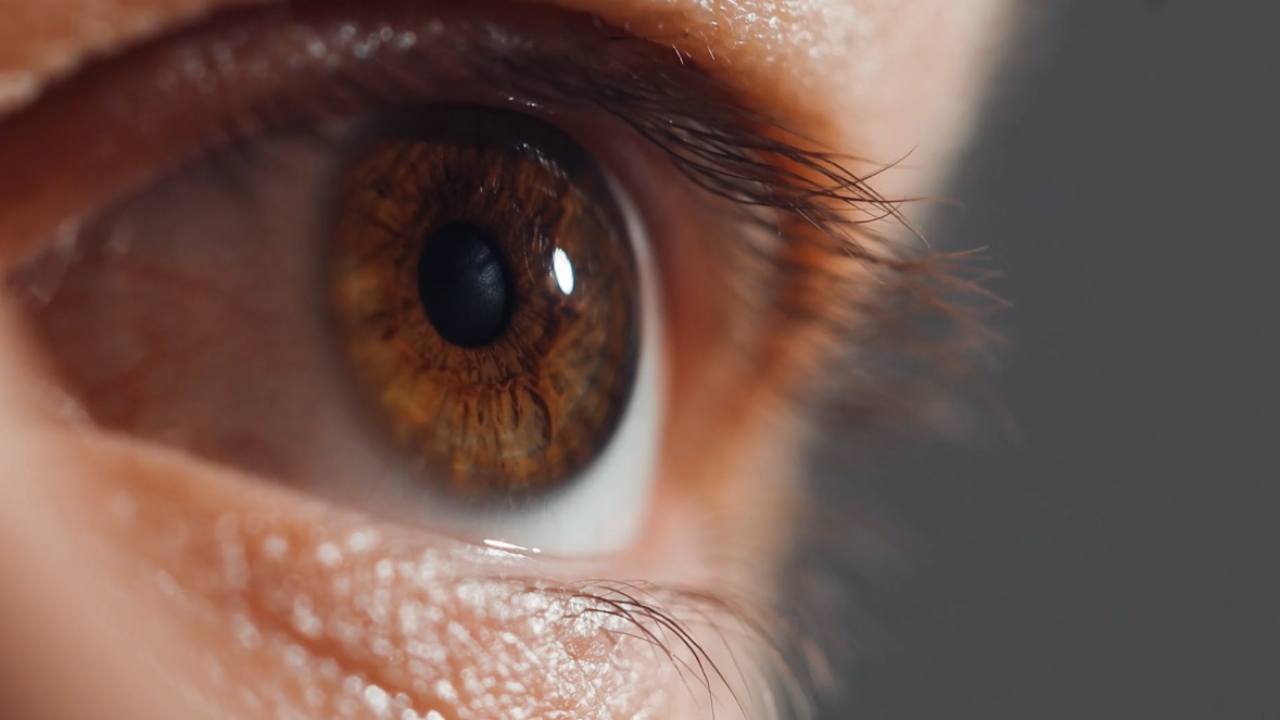
Glaucoma is a group of diseases that damage the optic nerve, the structure carrying visual information from the eye to the brain.
Primary open-angle glaucoma is particularly relevant because the new tadalafil study found a 33% higher risk for that subtype.
Early open-angle glaucoma often gives a person no obvious warning. According to the National Eye Institute, vision loss usually develops gradually, frequently beginning in peripheral vision. Many people can have glaucoma without knowing it.
Eye pressure plays an important role. Fluid is continually produced and drained inside the front portion of the eye. When drainage becomes inadequate, pressure may rise.
High intraocular pressure raises glaucoma risk, although some people develop glaucoma despite having pressure readings considered normal, as explained in the NEI’s eye pressure guidance.
That quiet progression makes screening valuable. A person could take tadalafil for years, feel perfectly normal, and still develop early optic nerve changes that become apparent during an eye examination.
Once glaucoma-related vision has been lost, the damage cannot generally be reversed. Treatment can often slow or prevent further deterioration when the disease is detected early, according to the agency’s glaucoma overview.
The Study Cannot Prove Cialis Causes Glaucoma
Large medical databases are excellent at finding patterns, yet they have limitations.
The tadalafil research was retrospective and observational. Doctors had already prescribed treatment before researchers examined the records. No participants were randomly assigned to take tadalafil or avoid it.
Researchers used propensity score matching to make the groups more comparable, balancing factors including age, race, kidney function, medications, and several medical conditions.
Residual differences may still have existed.
The authors explicitly said the findings do not contraindicate tadalafil use. Their recommendation centered on eye assessment and follow-up for people receiving long-term treatment, particularly when glaucoma risk factors are present, according to the study announcement. A separate 2026 study in the American Journal of Ophthalmology looked at men aged 40 or older with erectile dysfunction. Researchers compared chronic PDE5 inhibitor users with men who were not exposed to the drugs. Results went in the opposite direction. After matching, PDE5 inhibitor users had lower rates of developing glaucoma-suspect status and open-angle glaucoma during one, two, and three years of follow-up. At three years, open-angle glaucoma occurred in 3.88% of users compared with 4.28% of non-users, according to the published study abstract. Apparently conflicting results can arise from different patient populations, definitions of long-term exposure, follow-up periods, medications, and methods used to identify glaucoma. The disagreement is valuable scientifically. A genuine causal relationship should eventually produce a clearer pattern across different datasets and study designs. Researchers now have a reason to investigate the issue prospectively. Eye safety questions surrounding PDE5 inhibitors predate the newest glaucoma research. A large 2022 JAMA Ophthalmology study examined more than 213,000 men using sildenafil, tadalafil, vardenafil, or avanafil. Regular use was associated with a higher rate of several uncommon ocular problems, including serous retinal detachment and ischemic optic neuropathy. Regulators already recognize one rare visual emergency associated with the drug class. Current tadalafil safety information advises patients to stop taking a PDE5 inhibitor and seek medical attention after sudden vision loss in one or both eyes. Sudden loss may indicate non-arteritic anterior ischemic optic neuropathy, or NAION. NAION and glaucoma are separate diseases. The existing warning therefore should not be interpreted as proof that regulators have established tadalafil as a cause of glaucoma. The new research adds another question to an ocular safety picture that has been developing for years. Regular eye care makes particular sense for people using tadalafil long term who already have glaucoma risk factors. Age deserves consideration as well. The National Eye Institute identifies adults over 60, Black adults over 40, and people with a family history of glaucoma among higher-risk groups. For people at elevated risk, a comprehensive dilated eye exam every one to two years is generally recommended, with frequency adjusted by an eye-care professional. An examination can involve measuring intraocular pressure, inspecting the optic nerve and retina and, when appropriate, testing the visual field. Anyone already taking tadalafil should discuss personal risk with the clinician who prescribes it and with an optometrist or ophthalmologist. A single observational study provides no reason for someone to abruptly discontinue a medication that is working well. Slow-developing open-angle glaucoma often produces no early symptoms, making routine examinations more useful than waiting for eyesight to feel different. Sudden changes belong in a different category. Seek urgent medical care for sudden loss or a major decrease in vision while taking tadalafil. Current drug labeling specifically warns about sudden visual loss because of the possible connection with NAION. Severe eye pain, a red eye, nausea, and sudden blurry vision can also occur with acute angle-closure glaucoma, which the National Eye Institute classifies as a medical emergency in its guide to types of glaucoma. The new tadalafil research did not find a significant association with primary angle-closure glaucoma. Acute symptoms still require immediate assessment regardless of which medication a person takes. The newest research does not turn Cialis into a dangerous drug overnight. It gives doctors and patients another reason to pay attention to eye health during long-term tadalafil treatment. Among nearly 74,000 matched men, tadalafil use for urinary symptoms was associated with higher rates of glaucoma, ocular hypertension, and primary open-angle glaucoma during follow-up lasting up to five years. The absolute incidence remained relatively low, causation remains unproven, and another major 2026 analysis reached a different conclusion for PDE5 inhibitor users with erectile dysfunction. A clearer answer will require prospective research that records dose, frequency, eye pressure, optic nerve structure, and actual medication use from the beginning. For now, people who rely on tadalafil can keep the findings in perspective. Continue prescribed treatment unless a clinician advises otherwise, know personal glaucoma risk factors, and make eye examinations part of routine health care, especially when tadalafil is taken every day for months or years.
Another 2026 Study Found the Opposite Association
Eye research involving PDE5 inhibitors has produced a particularly interesting wrinkle.
Study
Population
Exposure
Main result
British Journal of Ophthalmology, 2026
Men with urinary symptoms
Tadalafil
Higher glaucoma risk
American Journal of Ophthalmology, 2026
Men with erectile dysfunction
PDE5 inhibitors as a class
Lower open-angle glaucoma hazard
Have Erectile Dysfunction Drugs Been Linked to Other Eye Problems?
Should People Taking Tadalafil Get Their Eyes Checked?
Which Eye Symptoms Need Urgent Attention?
FAQs
A Safety Signal Worth Following