
A Long Island hospital says 62% of patients in its ketamine-based depression treatment program have reported improvements, offering new encouragement for people who have spent years taking antidepressants without getting enough relief.
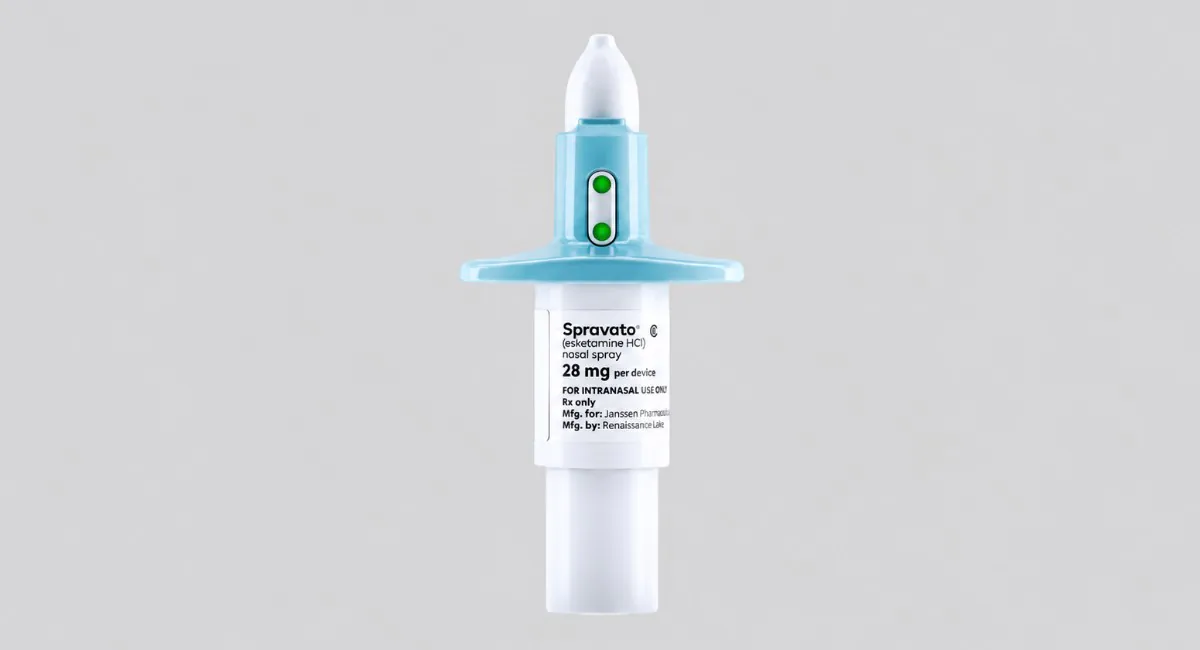
At Mather Hospital in Port Jefferson, New York, nearly 40 patients have participated in a program using Spravato, an FDA-approved nasal spray containing esketamine, a chemical closely related to ketamine.
In the latest report by the New York Post, 66-year-old Ellen Talmage described how the treatment had improved her life after decades of depression and limited success with medications including Prozac.
Talmage said everyday activities that previously felt overwhelming had become manageable. She now makes plans with her family and looks forward to outings that depression once kept her from enjoying.
Her experience is encouraging, although the hospital results need some perspective. The reported 62% improvement rate comes from a small clinical program, not a large randomized study. The report does not provide enough information to determine how many patients achieved remission, how improvement was measured, or how long the benefits lasted.
Why Doctors Chose Spravato for Depression?
Video: Greenbrook Mental Wellness Centers explains the efficiency of Ketamine Nasal Spray as a treatment of depression.
Traditional antidepressants such as Prozac primarily affect serotonin signaling. Spravato acts on the brain through a different mechanism involving NMDA receptors and the glutamate system.
Researchers have been investigating the treatment because some patients continue experiencing serious depression despite trying multiple medications.
The FDA first approved Spravato in March 2019 for treatment-resistant depression in adults, alongside an oral antidepressant.
In January 2025, regulators expanded that approval to permit Spravato as a standalone treatment for adults who have not responded adequately to at least two oral antidepressants.
That change gave doctors another treatment option without requiring patients to take a concurrent oral antidepressant for this indication.
A randomized clinical trial described in the FDA prescribing information found that esketamine administered alone improved depression scores more than a placebo nasal spray over four weeks. Benefits were also observed at earlier measurement points.
Still, the treatment is not effective for every patient, and improvement does not necessarily mean complete recovery.
What Happens During a Treatment Session?
Spravato is administered through the nose at a certified healthcare facility rather than taken home for unsupervised use.
Patients typically receive treatment twice weekly during the first four weeks. The frequency is later reduced according to clinical response and the prescribed treatment schedule.
Each session also includes a monitoring period lasting at least two hours.
The restrictions exist because esketamine can cause sedation, temporary changes in perception, dissociation, increases in blood pressure and respiratory problems. The medication also carries risks of misuse.
The FDA safety monitoring program requires certified facilities to administer Spravato under supervision and observe patients afterward.
Some people experience unusual sensations during treatment. Talmage compared the experience to riding Space Mountain, describing visual effects and changes in perception.
Those temporary reactions help explain why an approved esketamine nasal spray is not equivalent to recreational ketamine or unsupervised ketamine products sold online.
In June 2026, the FDA warned an online ketamine seller about unapproved drug products, emphasizing the risks associated with products marketed outside established regulatory requirements.
How Many Americans Could Benefit From Another Depression Treatment?

Depression affects millions of Americans, but the number of people experiencing depression should not be confused with the number who qualify for Spravato.
According to the 2024 National Survey on Drug Use and Health, an estimated 21.4 million U.S. adults experienced a major depressive episode during the year. That represented 8.2% of the adult population.
Spravato is intended for a narrower group, including adults with treatment-resistant depression. Researchers generally use the term when at least two adequate antidepressant treatments have failed to produce a sufficient response.
The need for additional therapies is particularly relevant given the existing gaps in care. Our earlier analysis of unmet mental health treatment needs examined how costs, provider availability and other barriers prevent Americans from receiving care.
We have also covered anxiety and depression treatment statistics, including evidence on cognitive behavioral therapy. Medication is one treatment option, and psychological therapies remain part of depression care.
Does the 62% Figure Mean Spravato Works Better Than Prozac?
No direct comparison can be drawn from the hospital report.
The 62% figure describes improvement among patients in one treatment program. It does not establish that Spravato performs better than Prozac across the general population.
Clinical trials provide more reliable evidence. A 2025 report in JAMA examined evidence supporting esketamine alone for treatment-resistant depression, including improvements compared with placebo.
The Long Island experience adds a more personal account of how treatment can affect daily life. For patients who have tried multiple antidepressants without sufficient relief, those improvements may mean returning to work, spending time with family or managing activities that once felt impossible.
But Spravato requires medical assessment, supervised administration and continued evaluation of benefits and side effects.
The hospital findings offer encouragement for patients with difficult-to-treat depression. They do not establish a universal success rate or replace the need for carefully controlled research.