
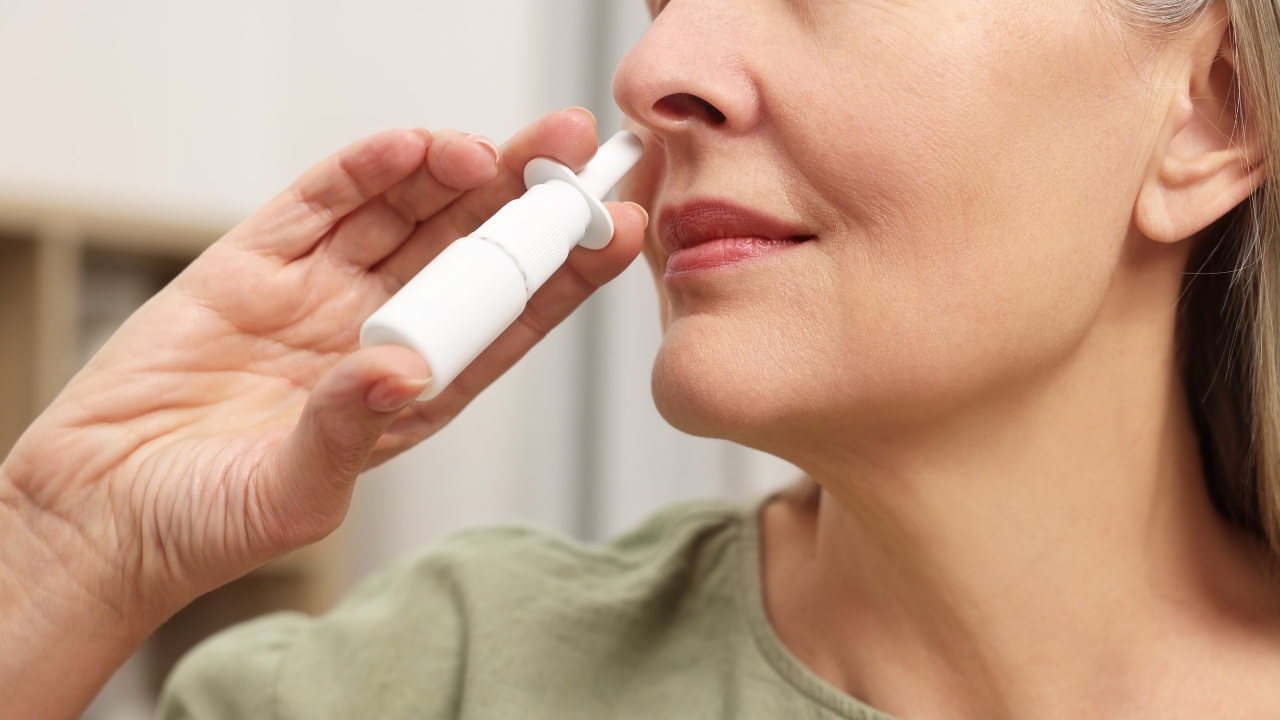
A Texas A&M research team reported that a nasal spray reduced brain inflammation, improved memory, and restored brain-cell function in aging mice.
Treatment targeted neuroinflammaging, a chronic inflammatory process linked to age-related cognitive decline.
Researchers reported benefits after two intranasal doses spaced two weeks apart. Improvements appeared within weeks and lasted for months.
It must be said that the results are preclinical.
Human trials are needed before the treatment can be considered safe or effective for people.
Why the Findings Are Significant
Findings challenge the idea that neuroinflammaging has to be an unavoidable part of getting older.
Results suggest that brain aging may be biologically adjustable when inflammation is reduced and cellular energy systems are restored.
Instead of treating age-related cognitive decline only as a late-stage symptom, the study points to earlier cellular processes that may be targeted before more serious damage develops.
Several parts of the reported results make the findings important for aging research.
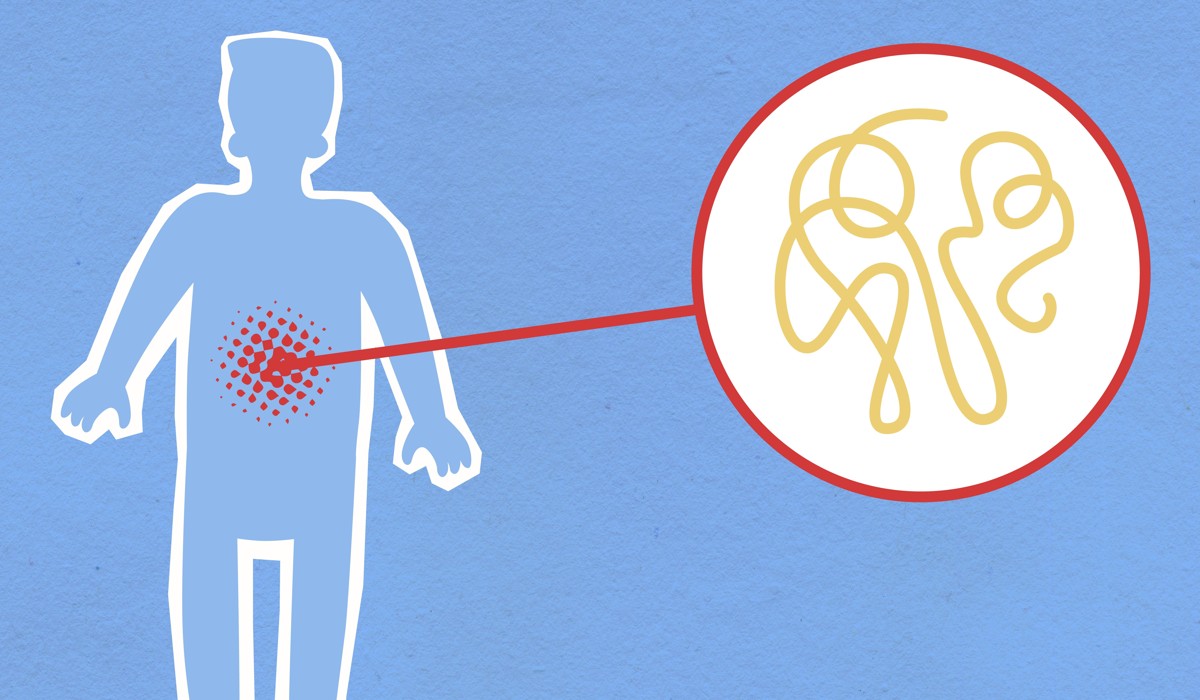
Noninvasive delivery adds to the importance of the work. A nasal approach could one day be more practical than treatments requiring direct brain delivery, surgical procedures, or intensive medication schedules. Any future human treatment would still need testing for safety, dosing, repeat use, and long-term effects. Similar outcomes appeared in both male and female mice. Consistency across both sexes matters because many biomedical findings can vary by sex, especially in aging and inflammation research. Reported outcomes were consistent and similar across both sexes, which strengthens the value of the animal findings. None of those uses has been established in humans yet. Claims should stay cautious until clinical trials show safety and measurable benefit in people. Aging brain tissue often develops persistent low-level inflammation called neuroinflammaging. Small chronic hot spots of cellular stress can build up in older brains and interfere with memory, learning, and the ability of brain circuits to adapt. Neuroinflammaging has been linked to age-related cognitive decline. It is also thought to contribute to neurological conditions such as Alzheimer’s disease. When inflammation stays active for long periods, microglia can shift into a more reactive state, creating stress signals that may weaken healthy communication between brain cells. Projected dementia numbers show why researchers are looking for new ways to protect cognitive health. Numbers like these make brain-protective therapies an urgent research priority. As concern grows around cognitive decline, some readers also look at daily cognitive-support options such as MindLabPro, a nootropic supplement positioned for memory, focus, attention, and mental performance. Unlike the Texas A&M nasal spray study, it is not the same kind of experimental EV therapy and should not be framed as a treatment for dementia or brain aging. A treatment that can reduce harmful inflammation before major cognitive decline appears would be especially valuable, although the nasal spray approach has not yet been proven in humans. Nasal delivery may help EVs reach brain tissue without direct injection into the brain. After entering the nasal passage, EVs can move along routes that may allow access to brain regions involved in aging and inflammation. Once inside brain tissue, EVs appear to be taken up by immune-related brain cells, especially microglia. Microglia act as resident immune cells in the brain. During aging, they can shift into a more inflammatory state, which may damage communication among neurons and weaken memory-related activity. Focus centered on the hippocampus, a brain region essential for learning, memory, recognition, and adaptability. Age-related inflammation in the hippocampus can interfere with how brain cells process and store information. MicroRNAs carried by the EVs appeared to calm major inflammatory pathways tied to brain aging. Treatment also appeared to improve mitochondrial function. Mitochondria provide energy for cells, and aging can make these energy systems less efficient. Reported results showed reduced oxidative stress and reactivated neuronal mitochondria, which may help brain cells process and store information more effectively. Behavioral testing matched these biological findings. Treated mice performed better than control mice on memory and recognition tasks. Specific improvements included identifying familiar objects, recognizing new objects, and detecting environmental changes. Intranasal Human NSC‐Derived EVs Therapy Can Restrain Inflammatory Microglial Transcriptome, and NLRP3 and cGAS‐STING Signalling, in Aged Hippocampus https://t.co/MgM4Wyqs6k — Lifeboat Foundation (@LifeboatHQ) April 20, 2026 Research leadership included Dr. Ashok Shetty, University Distinguished Professor and associate director of the Institute for Regenerative Medicine at Texas A&M University’s Naresh K. Vashisht College of Medicine. Senior research scientists Dr. Madhu Leelavathi Narayana and Dr. Maheedhar Kodali also played key roles in the work. Publication details identify the scientific record behind the findings. Support came through the National Institute on Aging. A U.S. patent has also been filed for the therapy, showing that the research team sees possible future development potential. Patent filing does not mean a treatment is ready for use, but it does suggest the team is protecting the method while additional testing continues. Texas A&M’s study points to a possible way to slow brain aging by using neural stem cell-derived EVs to reduce inflammation and restore cellular energy in aged mice. Reported benefits included lower inflammatory signaling, reduced oxidative stress, improved mitochondrial activity, and better memory and recognition performance. Human studies are still needed to confirm safety, dosing, durability, and clinical benefit.
Why Brain Inflammation Matters for Healthy Aging?

How the Treatment Is Thought to Work
Who Conducted the Study
FAQs
Closing Thought