

About 3.8 million U.S. adolescents ages 12 to 17 had a major depressive episode in 2024, according to the latest National Survey on Drug Use and Health data available from the Substance Abuse and Mental Health Services Administration.
That equals 15.4% of adolescents, or roughly one in six. Girls remained far more likely to report depression than boys. The 2024 rate was 22.6% among girls and 8.4% among boys.
There is one encouraging change in the latest numbers. Adolescent major depression has fallen from the extremely high levels recorded earlier in the decade. The national rate declined from 20.8% in 2021 to 18.1% in 2023 and 15.4% in 2024. Even so, millions of teenagers are still dealing with depression, severe impairment, suicidal thoughts and barriers to care.
Key Takeaways
- 15.4% of U.S. adolescents ages 12 to 17 had a major depressive episode in 2024, equal to about 3.8 million young people.
- Depression remained much more common among girls, affecting 22.6% compared with 8.4% of boys.
- 11.3% of adolescents, about 2.8 million people, had depression severe enough to cause serious impairment.
- Among high school students, 39.7% reported persistent sadness or hopelessness in the 2023 CDC Youth Risk Behavior Survey.
- 20.4% of high school students seriously considered attempting suicide and 9.5% attempted suicide during the previous year.
- 60.6% of adolescents with a major depressive episode received some form of mental health treatment in 2024, leaving nearly four in ten without treatment.
- LGBTQ+ teenagers remain at particularly high risk. The Trevor Project’s 2025 U.S. survey found 45% of LGBTQ+ respondents ages 13 to 17 seriously considered suicide during the previous year.
- Social media is not experienced negatively by every teenager, but 19% of teens told Pew in 2024 that it hurt their mental health and 45% said it hurt their sleep.
Teen Depression Statistics
| Measure | Latest figure |
| Adolescents ages 12 to 17 with a major depressive episode | 15.4% or about 3.8 million in 2024 |
| Major depressive episode among girls | 22.6% |
| Major depressive episode among boys | 8.4% |
| Adolescents with severe impairment from depression | 11.3% or about 2.8 million |
| Major depressive episode among ages 12 to 13 | 10.1% |
| Major depressive episode among ages 14 to 15 | 16.0% |
| Major depressive episode among ages 16 to 17 | 19.3% |
| Adolescents with depression who received mental health treatment | 60.6% |
| Girls with depression who received mental health treatment | 64.3% |
| Boys with depression who received mental health treatment | 51.1% |
The age pattern is clear. Depression becomes more prevalent through adolescence. In 2024, 10.1% of 12- and 13-year-olds experienced a major depressive episode, rising to 16% among ages 14 and 15 and 19.3% among ages 16 and 17.
The gender difference is even larger. Girls were almost three times as likely as boys to report a major depressive episode in 2024.
Severity also matters. SAMHSA estimated that 11.3% of all adolescents ages 12 to 17 had a major depressive episode that caused severe impairment in areas such as school, family relationships, home life or social activities.
Teen Depression Has Fallen From Its Recent Peak
The newest figures tell a more complicated story than the old claim that teen depression is simply rising every year.
| Year | Adolescents ages 12 to 17 with a major depressive episode |
|---|---|
| 2021 | 20.8% |
| 2022 | 19.5% |
| 2023 | 18.1% |
| 2024 | 15.4% |
The decline from 2021 to 2024 is statistically significant in SAMHSA’s latest tables. That improvement should not be confused with a return to the much lower rates seen a generation ago.
Historical data still show how dramatically adolescent depression rose before the recent decline. A Pew Research Center analysis of National Survey on Drug Use and Health data found that the share of 12- to 17-year-olds experiencing a major depressive episode increased from about 8% in 2007 to 13% in 2017.
Over the past decade, the number of young people reporting symptoms of major depression has increased by more than 50 percent among 12 to 17 year olds, according to a study in the Journal of Abnormal Psychology. https://t.co/ew5ZsVV05b
— Here & Now (@hereandnow) March 22, 2019
The longer trend therefore has two distinct periods. Depression rose sharply through the 2010s and into the early 2020s, followed by a measurable decline in the latest national surveys. The current burden remains substantial despite that recent improvement.
Check In With Yourself
Answer 15 simple questions to see if your recent thoughts and feelings could point to signs of depression. The Am I Depressed Quiz offers a private way to pause, reflect and decide if it is time to seek more support.
Disclaimer: This quiz does not replace professional advice, diagnosis or treatment. If you feel persistently low or have thoughts of self-harm, contact a mental health professional or crisis service immediately.
Teen Mental Health Goes Beyond a Depression Diagnosis
Depression statistics measure one specific condition. Broader surveys of high school students show that emotional distress reaches an even larger group.
The CDC’s 2023 Youth Risk Behavior Survey found that 39.7% of high school students experienced persistent feelings of sadness or hopelessness during the previous year. Another 28.5% reported poor mental health.
The gender gap appeared again. Persistent sadness or hopelessness affected 52.6% of female students compared with 27.7% of male students. Poor mental health was reported by 38.8% of girls and 18.8% of boys.
Older research also shows how prominent mental health concerns are in teenagers’ own view of their lives. A Pew Research Center survey found that 70% of teens viewed anxiety and depression as a major problem among people their age.
Our broader breakdown of anxiety and depression statistics looks at how the two conditions overlap across different age groups.
Anxiety Is Common, but the Statistics Measure Different Things
The widely cited NIMH estimate that 31.9% of adolescents experience an anxiety disorder is a lifetime prevalence figure based on earlier national research. It should not be compared directly with the 15.4% annual depression rate from the 2024 NSDUH.
Anxiety can also appear physically. Headaches, stomach discomfort, muscle tension, sleep problems and a racing heartbeat can accompany anxiety. Less typical sensations are also reported, and resources discussing topics such as ear pressure associated with anxiety illustrate how emotional distress can overlap with physical complaints.
More information on the wider range of conditions affecting young people is available in our guide to mental health disorders in adolescents.
Suicidal Thoughts Remain a Major Concern
CDC data show that depression and suicide risk cannot be treated as interchangeable measures, but both remain serious concerns among American teenagers.
| 2023 high school measure | All students | Female students | Male students |
| Persistent sadness or hopelessness | 39.7% | 52.6% | 27.7% |
| Poor mental health | 28.5% | 38.8% | 18.8% |
| Seriously considered attempting suicide | 20.4% | 27.1% | 14.1% |
| Attempted suicide | 9.5% | 12.6% | 6.4% |
Roughly one in five high school students seriously considered attempting suicide during the year covered by the 2023 survey. Almost one in ten reported an attempt.
Our separate analysis of suicide rates in the United States provides broader context on deaths rather than self-reported thoughts and attempts.
LGBTQ+ Teenagers Face Much Higher Risks
National school data reveal one of the largest mental health gaps among LGBTQ+ students.
In the CDC’s 2023 YRBS, 65.7% of LGBQ+ high school students reported persistent sadness or hopelessness, compared with 31.4% of heterosexual students. Serious consideration of suicide was reported by 41% of LGBQ+ students, and 19.7% reported attempting suicide.
Newer data from The Trevor Project point in the same direction. Its 2025 U.S. National Survey, published in 2026, included more than 16,000 LGBTQ+ young people ages 13 to 24.
Among respondents ages 13 to 17, 45% seriously considered attempting suicide during the previous year and 15% attempted suicide. Half reported recent symptoms of depression.
The survey also found that 44% of LGBTQ+ young people who wanted mental health care could not get it. Access to supportive environments was associated with much lower suicide risk.
Bullying Has Not Disappeared
Bullying returned to higher levels after dropping during the pandemic period. CDC data show that 19% of high school students were bullied at school in 2023, up from 15% in 2021.
Electronic bullying affected 16% of high school students. Girls reported electronic bullying at almost twice the rate of boys, 21% compared with 12%. Among LGBTQ+ students, the rate was 25%.
Older bullying and cyberbullying statistics compiled by Statista also show the persistent gender gap in online harassment.
School safety is another concern. The CDC reported that 13% of high school students missed school because they felt unsafe at school or on the way there in 2023, compared with 9% in 2021.
Social Media Has Benefits and Costs for Teenagers
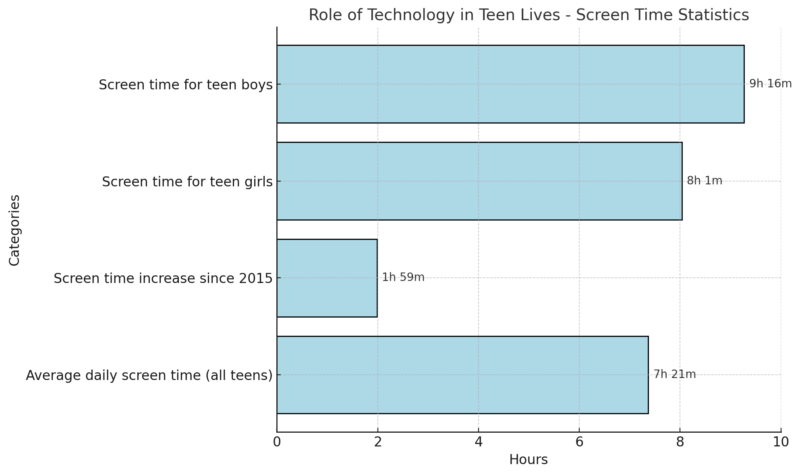
Teen technology use is better described as a mixed experience than as a single cause of depression.
A 2025 Pew Research Center report found that 45% of teens said they spend too much time on social media. Another 45% said social media hurt the amount of sleep they get, 40% said it hurt productivity and 19% said it hurt their mental health.
Girls reported more negative experiences than boys. One-quarter of teen girls said social media hurt their mental health, compared with 14% of boys. Half of girls said it hurt their sleep, compared with 40% of boys.
The same survey found benefits. Seventy-four percent of teens said social media made them feel more connected with friends, and 63% said it gave them a place to express creativity.
That distinction matters because heavy technology use and depression are associated in many studies, but an association does not prove that screen use alone caused a teenager’s depression. Family circumstances, bullying, sleep, relationships, economic stress, trauma and an existing mental health condition can all affect both screen habits and emotional health.
The KFF review of adolescent mental health trends provides additional context on screen use, substance use and changes in mental health during the past several years.
Depression and Substance Use Can Overlap
Depression, anxiety and substance use do not always occur separately. Adolescents experiencing severe emotional distress can also have substance use problems, and substance use can make an existing mental health condition harder to treat.
Earlier CDC research documented a sharp rise in adolescent overdose deaths during the early 2020s, particularly deaths involving illicit fentanyl. The CDC’s adolescent substance use and overdose research remains useful background for understanding that risk.
The newest NSDUH tables also continue to examine depression alongside alcohol and drug use disorders rather than treating the conditions as unrelated.
Mental Health Treatment Has Improved, but a Large Gap Remains
| 2024 treatment measure | Percentage |
| All adolescents ages 12 to 17 receiving mental health treatment | 28.5% |
| Adolescents with a major depressive episode receiving treatment | 60.6% |
| Adolescents with severe depression receiving treatment | 62.6% |
| Girls with depression receiving treatment | 64.3% |
| Boys with depression receiving treatment | 51.1% |
| Adolescents with depression receiving outpatient treatment | 50.8% |
| Adolescents with depression receiving prescription medication | 31.2% |
In 2024, 60.6% of adolescents with a major depressive episode received some form of mental health treatment during the year. That is considerably higher than several older estimates, but it also means 39.4% received no mental health treatment captured by the survey.
Girls with depression were more likely to receive treatment than boys, 64.3% compared with 51.1%.
School remains part of the treatment system. Among adolescents with depression, 29.8% received mental health treatment through a school health or counseling center in 2024.
Youth.gov has also documented the high prevalence of mental health conditions among young people involved in foster care and the juvenile justice system, where access to consistent treatment can be particularly difficult.
Research organizations such as the Clarify Health Institute have also examined youth mental health hospital use, adding another measure of how severe cases affect the health system.
What Treatment Can Include
Treatment depends on the individual teenager, the severity of symptoms, other health conditions and suicide risk. Common approaches include psychotherapy, family involvement, school-based support and medication prescribed and monitored by a qualified clinician.
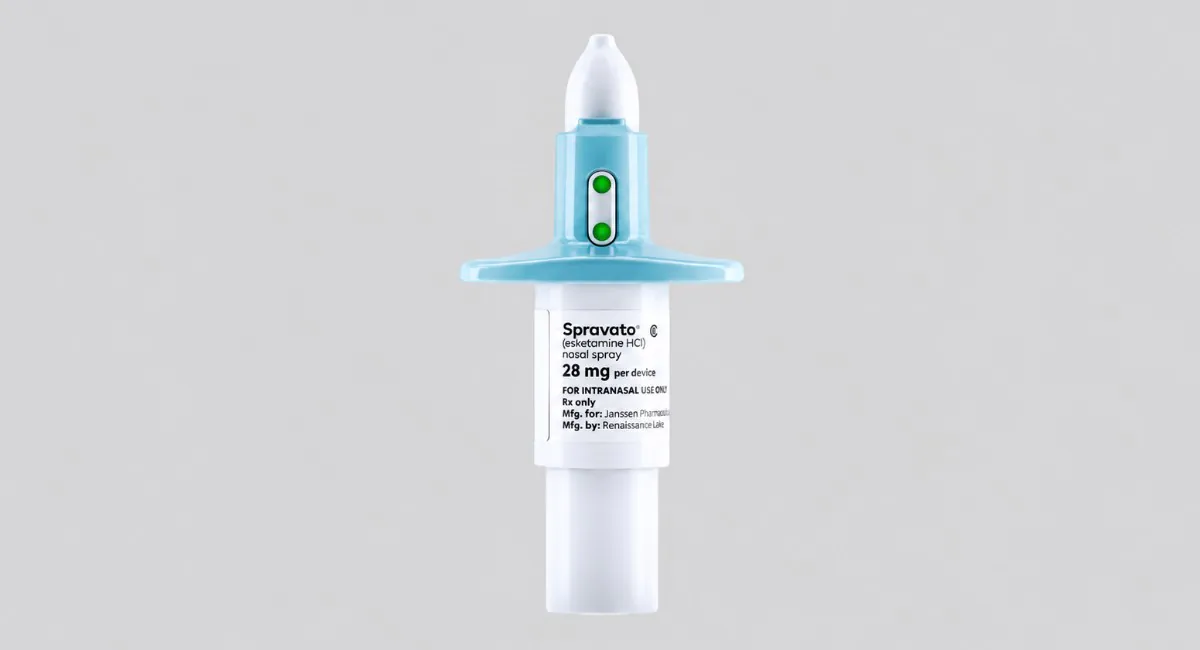
Newer treatments used for adults should not automatically be described as teen treatments. Spravato, or esketamine, is one example. The FDA approves Spravato for specific forms of depression in adults, and its prescribing information states that it is not approved for pediatric patients.
Readers researching the treatment may encounter commercial resources such as this Spravato treatment overview, but families of adolescents should discuss treatment choices with a pediatric mental health professional rather than applying adult treatment information to a teenager.
What Parents and Adults Around Teens Should Watch For
Depression is more than having a bad week or being disappointed after an argument or poor grade. A persistent change in mood, behavior or functioning deserves attention.
Signs can include:
- persistent sadness, irritability or hopelessness
- loss of interest in friends or activities
- major changes in sleep
- changes in appetite or weight
- falling grades or repeated school absence
- unusual fatigue
- difficulty concentrating
- feelings of worthlessness or excessive guilt
- talk about death, suicide or feeling that others would be better off without them
Any statement about suicide or self-harm should be taken seriously. In the United States, the 988 Suicide & Crisis Lifeline is available by calling or texting 988.
Methodology
The primary depression estimates in this article come from the 2024 National Survey on Drug Use and Health, the newest national NSDUH data available as of 2026. SAMHSA released the detailed 2024 national tables in 2026.
School mental health, suicide risk and bullying figures come primarily from the CDC’s 2023 Youth Risk Behavior Survey. The CDC has released questionnaires for the 2025 YRBS, but national 2025 results were not available at the time of publication, making 2023 the latest completed national YRBS dataset used here.
Additional context comes from Pew Research Center, the National Institute of Mental Health, KFF, The Trevor Project, Youth.gov and other public health sources. Figures from different surveys should not be treated as interchangeable because age ranges, definitions, survey questions and measurement periods differ.
References
- SAMHSA – 2024 National Survey on Drug Use and Health releases
- SAMHSA – 2024 NSDUH Annual National Report
- CDC – Mental Health and Suicide Risk Among High School Students, 2023 YRBS
- CDC – 2023 Youth Risk Behavior Survey Results
- Pew Research Center – Teens, Social Media and Mental Health
- Pew Research Center – A growing number of American teenagers, particularly girls, are facing depression
- National Institute of Mental Health – Statistics: Any anxiety disorder
- Centers for Disease Control and Prevention – Youth substance use and overdose data
- KFF – Recent trends in mental health and substance use concerns among adolescents
- Statista – Bullying and cyberbullying statistics in schools
- Youth.gov – Prevalence of mental health disorders among youth
- Clarify Health Institute – Youth mental health research
- The Trevor Project – LGBTQ+ youth mental health research
- The Trevor Project – 2025 U.S. National Survey on the Mental Health of LGBTQ+ Young People
- World Health Organization – Adolescent mental health
- American Psychological Association – Teen mental health information
- FDA – Spravato prescribing information