
Cold and flu season is coming, and now is the perfect time to get your family ready. Check your medicine cabinet, replace anything that has expired, and make sure you have the essentials for treating common symptoms at home.
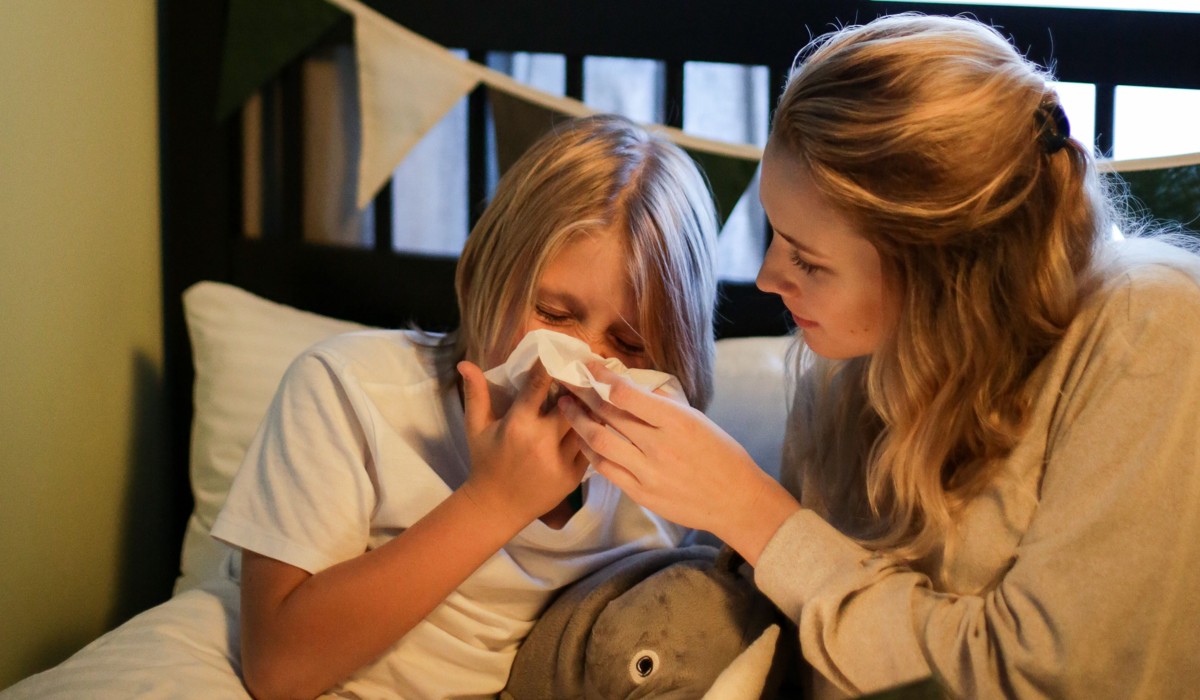
Think of the last time someone in your family got sick. Did you have a working thermometer? Enough tissues? The right medicine for a fever? Nobody enjoys going to the pharmacy with a headache and a runny nose, especially when the person who needs looking after is a sick child.
We have picked 11 things worth keeping in your sick day kit for coming cold and flu season. Some will help relieve symptoms, others will make caring for a sick family member easier.
1. A Digital Thermometer
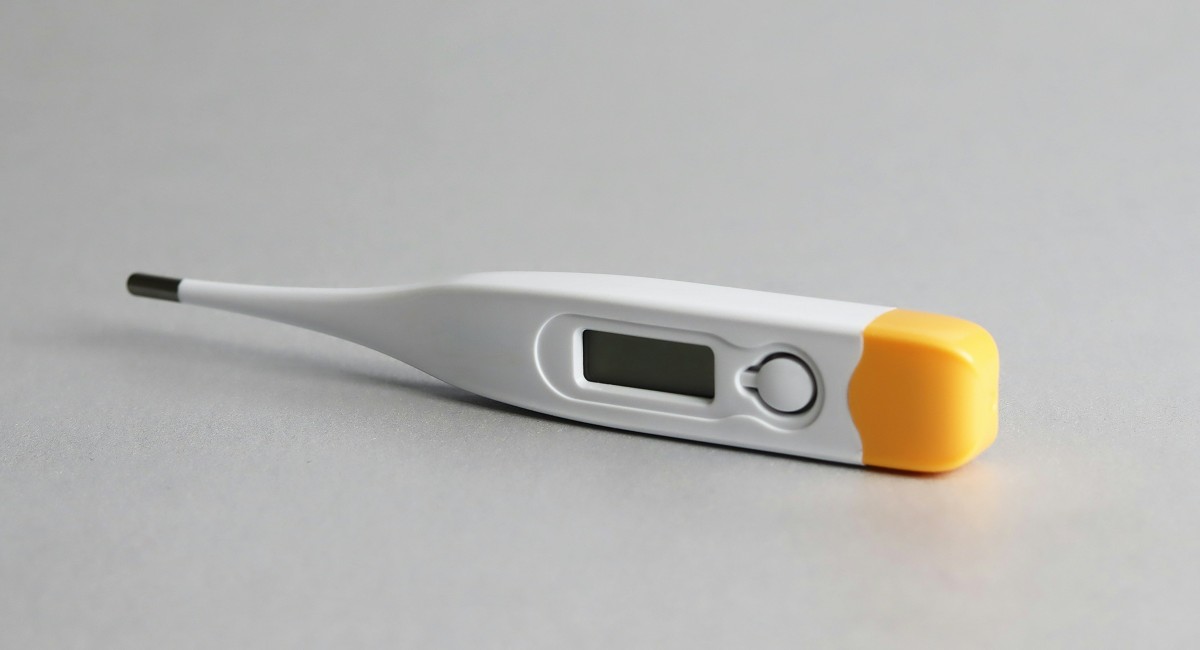
First, check that your thermometer works. Replace the batteries if necessary, clean it according to the instructions, and keep it somewhere easy to find.
A digital thermometer lets you track a fever and see how the temperature changes throughout the day. For children, use a model suitable for their age. Rectal temperature readings are the most accurate for infants younger than three months.
According to the American Academy of Pediatrics, a temperature of 100.4°F (38°C) or higher is generally considered a fever. Babies younger than three months with a fever at that level need immediate medical assessment.
Keep a pen and paper nearby to record temperatures and the time of each reading, particularly when caring for children.
2. Medicine for Fever, Headaches and Body Aches
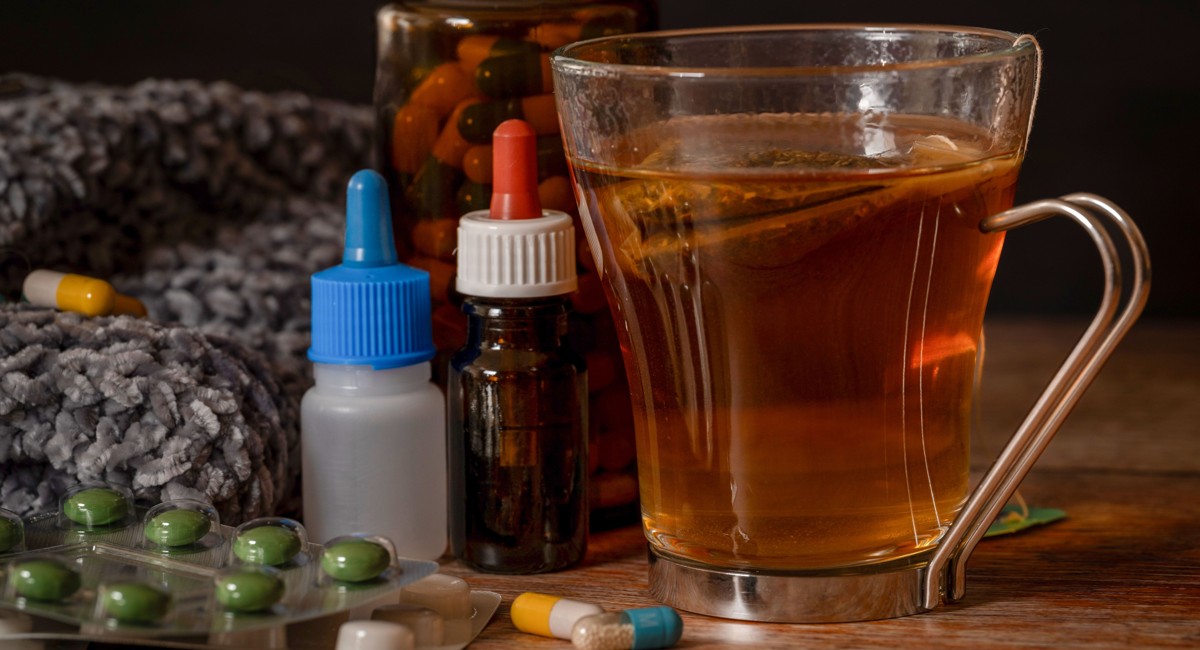
Acetaminophen and ibuprofen can help relieve fever, headaches and muscle pain. Keep a suitable product at home and check the expiration date before the season begins.
For children, dosing depends on their weight, age and the medicine concentration. Ibuprofen is generally unsuitable for babies younger than six months without medical guidance. Children and teenagers with suspected viral illnesses should not receive aspirin because of the risk of Reye syndrome.
Be careful with combination cold medicines. Many already contain acetaminophen, so taking one alongside a separate acetaminophen product can result in an overdose.
The FDA explains the risks of giving certain cough and cold products to young children. Always check the active ingredients, even if your family has used the same brand before.
3. Saline Nasal Spray or Drops
View this post on Instagram
A blocked nose can make sleeping difficult. Saline spray helps loosen mucus and makes it easier to clear your nasal passages.
For babies, saline drops are particularly useful before feeding. After applying the drops, a parent can gently remove loosened mucus with a nasal aspirator or bulb syringe.
Choose plain saline rather than a medicated nasal decongestant for general family use. Medicated sprays have additional restrictions and should not be used interchangeably with saltwater products.
The American Academy of Pediatrics recommends saline products for relieving nasal congestion in children. Check the product instructions for storage and use after opening.
4. Honey for Cough Relief
Video: Learn how five natural remedies, including honey, ginger, turmeric, steam inhalation and peppermint, may help relieve coughing and soothe an irritated throat.
Keep a jar of honey in the kitchen. A small spoonful can soothe an irritated throat and reduce coughing, particularly before bedtime.
For children aged one year and older, the American Academy of Pediatrics suggests small amounts of honey as a home remedy for coughs. You can serve it directly or mix it into warm water or caffeine-free tea.
Never give honey to babies younger than 12 months. It can contain spores that cause infant botulism.
Honey is especially useful when a cough is irritating but does not require prescription treatment. It will not cure the infection, although it can make the symptoms easier to tolerate.
5. Oral Rehydration Solution or Electrolyte Packets
Video: How to prepare and give oral rehydration solution.
Keep a few oral rehydration packets or ready-to-drink bottles for days when someone struggles to drink enough fluids.
Fever can increase fluid needs, and vomiting or diarrhea can cause additional fluid and electrolyte losses. Oral rehydration solutions replace water and essential salts in measured proportions.
Mix powdered products with the exact quantity of water printed on the package. Using too little water produces an overly concentrated drink.
For an ordinary cold, water, soup and other suitable drinks are fine when the person is drinking and eating normally. The CDC guidance on healthy hydration also explains the role of water and other beverages in maintaining fluid intake.
If a child has very little urine, becomes unusually sleepy or cannot keep fluids down, contact a healthcare professional promptly.
6. Home COVID-19 and Flu Tests
Keep a few home tests that are appropriate for your household. Some products detect COVID-19 alone, while combination tests can identify COVID-19 and influenza A and B.
Fever, coughing, fatigue and a sore throat can occur with several respiratory infections. A home test can provide useful information when deciding if someone needs medical advice or specific treatment.
Check the expiration dates before buying replacements. Some COVID-19 tests have received authorized shelf-life extensions, so an older printed date does not always mean the product must be discarded.
A negative test is not a guarantee that someone is infection-free. The FDA maintains information on authorized home COVID-19 tests, including expiration dates and instructions.
For family members at higher risk of serious flu complications, contact a doctor promptly when symptoms begin rather than waiting for repeated tests.
7. Throat Lozenges
A sore throat can make eating, drinking and even talking unpleasant. Keep a pack of throat lozenges for adults and older children who can safely use them.
Simple soothing lozenges encourage saliva production and can temporarily relieve throat irritation. Some medicated products also contain ingredients that numb the throat or provide additional symptom relief.
Check the age restrictions. Young children can choke on lozenges, and medicated varieties may have additional warnings.
Warm tea, cool water or ice pops are alternatives for children who are too young for lozenges. Choose whichever temperature feels more comfortable on the throat.
8. A Cool-Mist Humidifier

If your home gets dry during the heating season, bring out the humidifier and clean it before anyone becomes sick.
A cool-mist humidifier can ease dry nasal passages and make nighttime coughing less irritating. Place it on a stable surface away from the bed, and follow the manufacturer’s instructions for cleaning and replacing the water.
Dirty water tanks can encourage mold and bacterial growth. The EPA recommends regular humidifier cleaning and keeping indoor humidity below 50%.
Use cool mist rather than hot steam in rooms with children. Hot-water vaporizers can cause burns if knocked over.
9. Extra Tissues and a Small Wastebasket
Buy a couple of extra boxes of tissues and put one beside the bed when someone gets sick. Frequent nose blowing can empty a box quickly.
Choose soft tissues if someone in your family gets irritated skin around the nose. A little petroleum jelly applied externally to sore skin can also help protect it.
Place a small lined wastebasket beside the bed so used tissues can be thrown away immediately. Wash hands afterward, especially before preparing food or caring for another family member.
The CDC recommends covering coughs and sneezes with a tissue or the inside of your elbow to help limit the spread of respiratory viruses.
10. Hand Soap and Hand Sanitizer
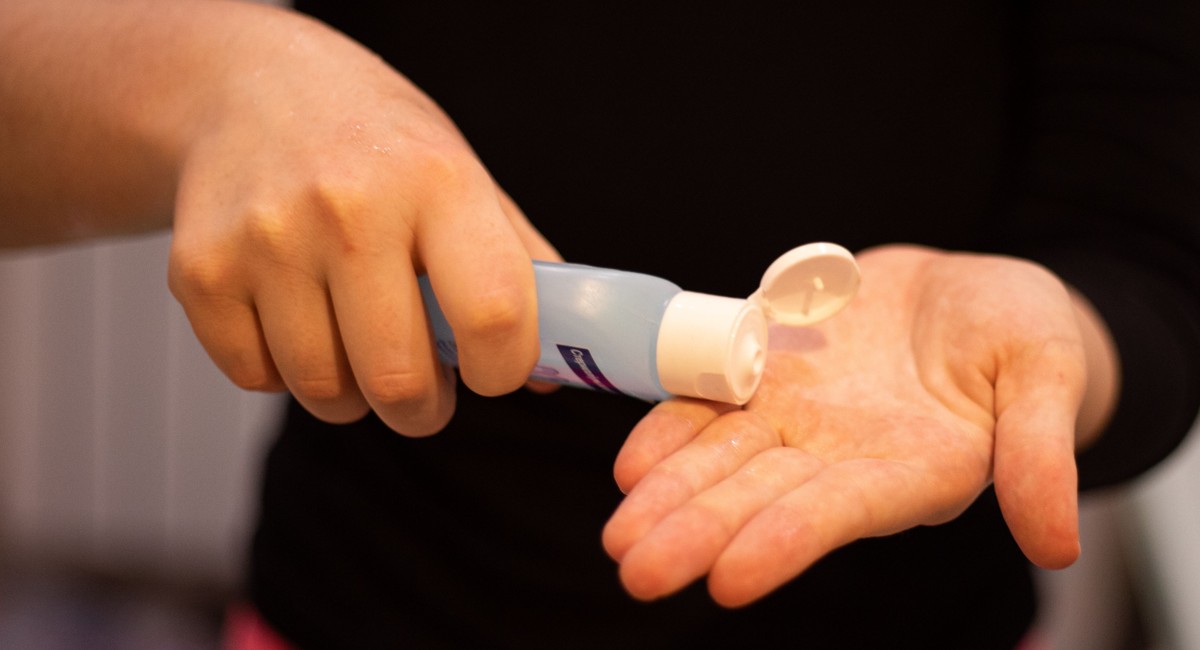
Check the bathroom and kitchen supplies before the season begins. Keep spare hand soap available, along with a bottle of alcohol-based hand sanitizer for times when washing is inconvenient.
Wash hands with soap and running water for at least 20 seconds, especially after blowing your nose, handling used tissues or caring for someone who is sick.
If soap and water are unavailable, the CDC recommends hand sanitizer containing at least 60% alcohol.
Store sanitizer where small children cannot reach it. Swallowing alcohol-based sanitizer can cause poisoning.
11. Disinfecting Wipes or a Household Disinfectant
Keep a household disinfectant for surfaces that everyone touches, including door handles, faucets, light switches and remote controls.
Clean visible dirt first. Then apply the disinfectant and leave the surface wet for the contact time stated on the product label.
According to the CDC household cleaning recommendations, regular cleaning removes many germs, while disinfection is particularly useful when someone in the home is sick.
Keep cleaning chemicals away from medicines and food. Never mix bleach with ammonia or other cleaners.
Where to Keep Your Sick Day Kit?
Pick one place in your home for the supplies. A storage box on a high closet shelf works well for non-refrigerated items, provided the temperature and storage conditions follow the product labels.
Keep medicines secured out of sight and reach of children. The thermometer, tests, tissues and written instructions can sit together, with the humidifier stored nearby and honey in the kitchen.
Check your kit once before flu season and again whenever someone uses the supplies. Replace empty packages, discard expired medicines according to local disposal guidance and make sure the thermometer still works.
When to Call a Doctor Instead of Treating Symptoms at Home
Most uncomplicated colds improve with time, rest and fluids. Flu can be more serious, particularly for young children, older adults, pregnant people and anyone with certain chronic medical conditions.
Call a healthcare professional promptly if someone at higher risk develops flu symptoms. The CDC advises starting prescribed flu antiviral treatment early, ideally within one or two days after symptoms begin. Patients with severe illness or increased risk can still benefit when treatment starts later.
Seek emergency care for difficulty breathing, persistent chest pain, confusion, seizures or signs of severe dehydration. A baby younger than three months with a fever of 100.4°F or higher needs immediate medical attention.
Watch for symptoms that improve and then become worse again, especially if fever returns with chest pain or shortness of breath. Respiratory infections can sometimes lead to pneumonia. Our article on how bronchitis can lead to pneumonia explains the warning signs in more detail.
Get Your Sick Day Kit Ready Before the First Illness
Go through the items this week and check which ones you already have. Replace expired medicines, pick up the missing supplies and make a place for everything. The next time someone wakes up with a fever or a miserable sore throat, you will have what you need close by.
Remember that a sick day kit helps you care for someone who is already ill. Flu vaccination offers additional protection against serious influenza.
We recently covered the FDA approval of the first mRNA flu vaccine for adults aged 50 and older, one of the developments ahead of the flu season.
When someone does get sick, the CDC advises staying home until symptoms have been improving for at least 24 hours and any fever has been gone for at least 24 hours without fever-reducing medicine.
Take additional precautions for the following five days to reduce the chance of spreading the infection.
Prepare the kit now, keep it stocked through winter, and you will have one less thing to deal with when someone in your family needs care.