

Bronchitis and pneumonia can both start with cough, mucus, fever, fatigue and chest discomfort. The difference is where the infection is happening and how serious it becomes.
Bronchitis affects the larger airways that carry air in and out of the lungs. Pneumonia affects the air sacs deep in the lungs, where oxygen moves into the blood. That is why pneumonia is more likely to cause shortness of breath, chest pain with breathing, low oxygen and serious illness.
So, can bronchitis turn into pneumonia? In some cases, yes. More precisely, the same respiratory illness can move deeper into the lungs, a second infection can follow bronchitis, or early pneumonia can first look like bronchitis. The concern is not the name of the first diagnosis. The concern is whether symptoms are improving or getting worse.
The stakes are real. CDC National Center for Health Statistics show 41,627 pneumonia deaths in the United States in 2024, with 1.2 million emergency department visits where pneumonia due to infectious organism was the primary diagnosis in 2022. That does not mean every cough is dangerous. It means a changing or worsening cough deserves attention.
Quick Answer
Bronchitis can be followed by pneumonia, especially after a viral illness, flu, COVID-19, RSV, human metapneumovirus or another respiratory infection. It is more likely in older adults, smokers, infants, people with asthma or COPD, people with heart disease, diabetes, kidney disease, weakened immunity or long-term exposure to smoke and air pollution.
A lingering cough alone does not prove pneumonia. Warning signs include fever that returns after improvement, worsening shortness of breath, chest pain with breathing, coughing blood, severe weakness, confusion in an older adult, blue lips, low oxygen or symptoms that keep getting worse.
Key Points
- Acute bronchitis is usually viral and often clears without antibiotics.
- Pneumonia is a deeper lung infection that can become serious.
- A cough can last up to three weeks after acute bronchitis.
- Returning fever, chest pain and trouble breathing are warning signs.
- Older adults, smokers and people with chronic disease need closer attention.
- Flu, RSV, COVID-19, HMPV and Mycoplasma pneumoniae can all lead to lower respiratory infection.
- Vaccines and smoke avoidance lower the risk of severe respiratory illness.
Bronchitis And Pneumonia Are Not The Same Illness
The easiest way to separate the two is location. Bronchitis is mainly an airway problem. Pneumonia is a lung-tissue problem.
| Feature | Bronchitis | Pneumonia |
|---|---|---|
| Main area affected | Bronchial tubes, the larger airways | Air sacs deep in the lungs |
| Typical cause | Usually viral | Viral, bacterial, fungal or less commonly parasitic |
| Cough | Very common and may last up to three weeks | Very common and may feel deeper or more exhausting |
| Fever | Often mild or absent | More likely, and may be higher or return after improvement |
| Shortness of breath | Can happen, often milder | More concerning, especially at rest or with light activity |
| Chest pain with breathing | Less typical | A common warning sign |
| Antibiotics | Usually not needed | May be needed if bacterial pneumonia is suspected |
| Testing | Often diagnosed by symptoms and exam | May need oxygen check, chest X-ray, viral testing or blood work |
What Exactly is Bronchitis ?
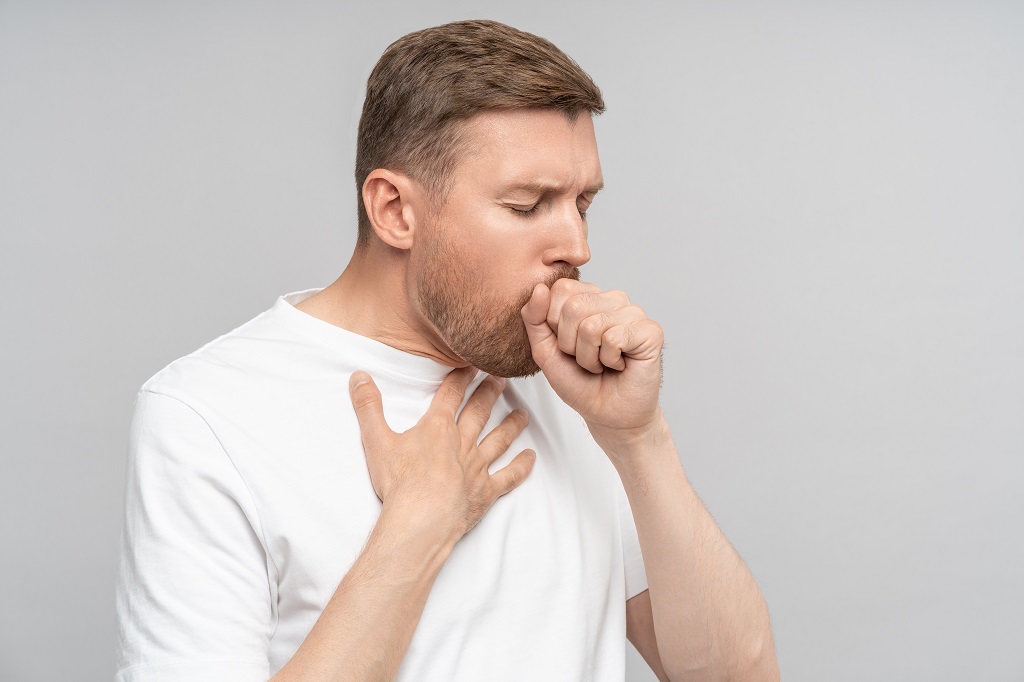
Bronchitis means the bronchial tubes are inflamed. These tubes carry air between the windpipe and the lungs. When they swell and produce mucus, coughing becomes the main symptom.
Common bronchitis symptoms include cough, mucus, fatigue, sore throat, mild fever, chest soreness and wheezing. The cough can be rough at night and can outlast the rest of the illness.
MedlinePlus notes that acute bronchitis often gets better within one week to 10 days, but cough can continue for several weeks.
Acute Bronchitis And Chronic Bronchitis
Acute bronchitis is the short-term illness most people mean when they say they have bronchitis. It often follows a cold, flu or another respiratory infection.
Chronic bronchitis is different. It is a long-term condition marked by ongoing cough and mucus production. It is often linked with smoking and is part of chronic obstructive pulmonary disease, or COPD. A person with chronic bronchitis has less reserve when a new respiratory infection arrives.
That is why a chest infection can be more dangerous for someone with COPD, chronic bronchitis, emphysema or asthma than for a healthy adult with a short viral illness.
What Pneumonia Means
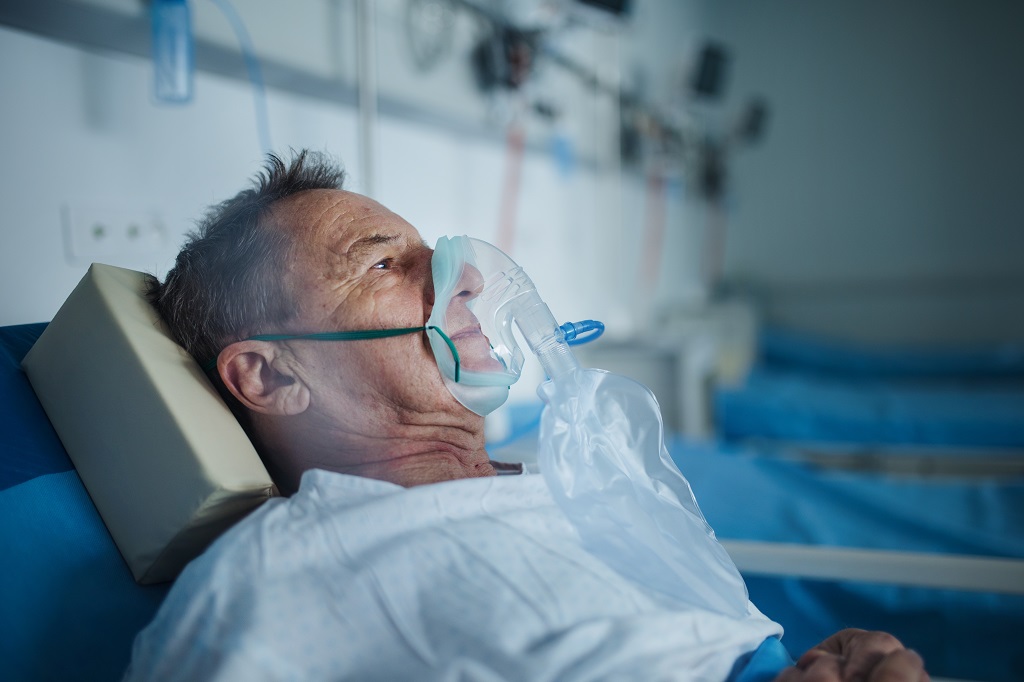
Pneumonia is an infection in the lung tissue. It inflames the air sacs, also called alveoli. These air sacs can fill with fluid or pus, which makes it harder for oxygen to pass into the blood.
CDC says pneumonia can be caused by bacteria, viruses, fungi and, less commonly, parasites. The source of infection can differ between community cases and healthcare-associated cases.
NHLBI describes pneumonia as an infection that can affect one or both lungs and can range from mild to life-threatening.
The agency explains causes and risk factors in its guide to pneumonia causes.
Pneumonia symptoms can include cough, fever, chills, shortness of breath, chest pain with breathing, fatigue, low appetite, confusion in older adults and low oxygen. Some people look very sick. Others, especially with walking pneumonia, may look better than expected despite having a lung infection.
How Bronchitis Can Be Followed By Pneumonia
Bronchitis does not literally transform into pneumonia like one diagnosis changing shape. The better explanation is that respiratory infections can move or progress.
Three patterns are common.
- A virus starts in the nose, throat and larger airways, then the illness reaches deeper lung tissue.
- The first infection irritates the airways, then a second infection develops in the lungs.
- The person had early pneumonia from the start, but it looked like bronchitis during the first few days.
This is why timing matters. A cough that slowly improves is usually less concerning than a cough that changes course. A person who starts to feel better and then gets fever, chest pain or shortness of breath needs medical review.
CDC respiratory virus data notes that severe infection from human metapneumovirus, parainfluenza and rhinovirus or enterovirus may progress to bronchitis or pneumonia.
Symptoms That Suggest Pneumonia May Be Developing
A cough can last after bronchitis even when the infection is improving. That can be annoying, but it is not the same as pneumonia.
The signs below are more concerning because they suggest the illness may be moving deeper, worsening or causing low oxygen.
- Fever that lasts longer than a few days
- Fever that returns after the person seemed to improve
- Shortness of breath or trouble breathing
- Chest pain when breathing or coughing
- Coughing up blood or rust-colored mucus
- Blue lips or signs of low oxygen
- Fast breathing or obvious breathing strain
- Confusion, sleepiness or sudden weakness in an older adult
- Severe fatigue that is getting worse
- Symptoms that last more than three weeks
If warning signs like returning fever, chest pain, shortness of breath or bloody mucus show up, seeking care at an Emergency Room in Beaumont is a reasonable next step.
A Pattern That Deserves Care
A common pattern looks like this: a person has a cold, then a cough moves into the chest. After four or five days, symptoms seem to improve. Two days later, fever returns, breathing feels harder, and deep breaths cause chest pain.
That pattern should not be treated as a routine lingering cough. It can happen with pneumonia, flu complications or a second bacterial infection after a viral illness.
NHS bronchitis guidance advises medical review when symptoms are severe, a cough lasts longer than three weeks, mucus contains blood, breathing becomes difficult or a person has repeated bronchitis.
Can Bronchitis Turn Into Walking Pneumonia?
It can be followed by walking pneumonia, but the wording needs care. Walking pneumonia is pneumonia with milder symptoms. It is often linked with Mycoplasma pneumoniae, a bacterium that can cause throat infection, tracheobronchitis and pneumonia.
CDC says M. pneumoniae pneumonia is often called walking pneumonia because people can seem better than expected for someone with a lung infection. Symptoms can include cough, tiredness, fever, chills and shortness of breath.
Walking pneumonia can look like bronchitis because the cough may build slowly and the person may still be able to go to work or school. That does not mean it should be ignored. A persistent cough with fever, chest discomfort or shortness of breath deserves medical advice.
Bronchitis vs. Pneumonia: Symptoms At A Glance
Bronchitis and pneumonia overlap early. Even clinicians may need a lung exam, oxygen reading or chest X-ray to tell the difference.
| Symptom | More Typical Of Bronchitis | More Concerning For Pneumonia |
|---|---|---|
| Cough | Common, can linger for weeks | Common, may become deeper and more tiring |
| Mucus | Common, can be clear, white, yellow or green | Can be thick, bloody, rust-colored or pus-like |
| Fever | Mild or absent | Higher, prolonged or returning fever |
| Breathing | Mild wheezing or tightness can happen | Shortness of breath, fast breathing or low oxygen |
| Chest pain | Soreness from coughing | Sharp pain with breathing or coughing |
| Energy level | Tired but gradually improving | Weak, shaky, worsening or unusually sleepy |
| Older adults | Cough and fatigue | Confusion, falls, loss of appetite or sudden decline |
Who Has A Higher Risk Of Pneumonia After Bronchitis?

Anyone can develop pneumonia, but some people need a lower threshold for medical care.
Higher-risk groups include:
- Adults age 65 and older
- Infants and young children
- People with COPD, chronic bronchitis or emphysema
- People with asthma
- People with heart disease, diabetes, kidney disease or liver disease
- People with weakened immune systems
- People receiving chemotherapy or long-term steroids
- Smokers and people exposed to secondhand smoke
- Residents of nursing homes or long-term care facilities
- People with trouble swallowing or aspiration risk
Why Smoking Makes A Chest Infection Riskier
Smoking damages the airway defenses that help clear germs and mucus. It also increases inflammation and reduces lung reserve. That makes bronchitis more likely and can make recovery slower.
CDC states that quitting smoking reduces respiratory infections such as bronchitis and pneumonia.
Smoking is also linked with COPD, which includes chronic bronchitis and emphysema.
How Doctors Tell Bronchitis And Pneumonia Apart
A clinician usually starts with the history: when the cough began, whether fever is present, whether symptoms improved then worsened, whether breathing changed and whether the patient has lung disease or immune risk.
The exam may include temperature, heart rate, breathing rate, oxygen level and listening to the lungs. Crackles, low oxygen, fast breathing or chest pain with breathing can raise suspicion for pneumonia.
A chest X-ray may be ordered if pneumonia is suspected. Some patients also need viral testing, blood work, sputum testing or additional imaging. That is more likely when the person is older, immunocompromised, severely short of breath or sick enough to need hospital care.
Mayo Clinic notes that bronchitis can be hard to distinguish from a common cold in the first days of illness and that doctors listen to the lungs during evaluation.
Treatment Changes When Pneumonia Is Involved

Uncomplicated acute bronchitis usually does not need antibiotics. CDC patient guidance says antibiotics will not help most acute bronchitis cases, even when bacteria are sometimes involved.
Pneumonia treatment depends on the suspected cause and severity.
- Bacterial pneumonia may need antibiotics.
- Viral pneumonia may need supportive care and sometimes antiviral medicine.
- Severe pneumonia may need oxygen, IV fluids, close monitoring or hospital admission.
- Walking pneumonia may still need antibiotic treatment if a clinician suspects Mycoplasma or another bacterial cause.
CDC clinical guidance says appropriate pneumonia management can include antibiotics or antivirals when indicated, along with prevention strategies.
What Usually Helps During A Routine Viral Chest Illness
- Rest
- Fluids
- Fever control when needed
- Avoiding smoke and secondhand smoke
- Using a humidifier or steam carefully if it helps comfort
- Following a clinician plan for asthma, COPD or inhaler use
- Watching for breathing changes instead of judging only by mucus color
Mucus color alone does not prove a bacterial infection. Yellow or green mucus can happen during viral illness. The overall pattern matters more: breathing, fever, chest pain, oxygen level and whether the person is improving.
How To Lower The Risk Of Pneumonia After A Respiratory Illness?
Prevention is not one action. It is a group of habits and vaccines that reduce the chance of severe disease.
Stay Current On Pneumococcal Vaccines
CDC recommends pneumococcal vaccination for many adults based on age, medical risk and prior vaccination history. Current CDC guidance includes adults age 50 and older and younger adults with certain risk conditions.
Use Flu Prevention Seriously
Flu can lead to bronchitis and pneumonia, especially in older adults, young children, pregnant people and people with chronic medical conditions. CDC says people at higher risk of flu complications should receive prompt antiviral treatment when flu is suspected or confirmed.
Know Current RSV Guidance
RSV can cause serious lower respiratory illness in older adults and high-risk adults. CDC recommends a single RSV vaccine dose for all adults 75 and older and for adults 50 to 74 who are at increased risk of severe RSV illness.
Avoid Smoke And Lung Irritants
Smoke, dust, fumes and air pollution can irritate the airways and make respiratory infections harder to tolerate. People with asthma, COPD or chronic bronchitis should be especially careful during wildfire smoke, high pollution days and respiratory virus season.
Protect Higher-Risk Family Members
Older relatives, frail adults, infants, people with cancer treatment, people with COPD and residents of long-term care facilities need extra caution around coughs and fever. Handwashing, staying home when sick, masking during outbreaks and improving ventilation can all reduce exposure.
When To Seek Medical Care Right Away
Get urgent medical advice or emergency care if any of these symptoms appear:
- Trouble breathing
- Chest pain that worsens with breathing or coughing
- Blue lips or face
- Low oxygen reading if a pulse oximeter is available
- Coughing blood
- Severe weakness or fainting
- Confusion, especially in an older adult
- Fever of 104°F or higher
- Fever lasting more than five days
- Fever that returns after improvement
- Symptoms that keep worsening instead of easing
People with COPD, asthma, heart disease, diabetes, kidney disease, immune suppression, pregnancy or age over 65 should call earlier. A smaller change in breathing can be more serious in these groups.
FAQs
Remember This
Bronchitis can be followed by pneumonia, but most bronchitis coughs do not become dangerous. The useful question is not only how long the cough has lasted. The useful question is whether the illness is improving, staying the same or getting worse.
A cough that slowly fades after a chest cold is common. A cough with returning fever, worsening breathlessness, chest pain, bloody mucus, confusion or low oxygen is different. That pattern needs medical attention.
For higher-risk people, the margin is smaller. Older adults, smokers, people with COPD, asthma, heart disease, diabetes, kidney disease or weakened immunity should treat breathing changes early. Pneumonia is easier to manage when it is recognized before it becomes a crisis.