
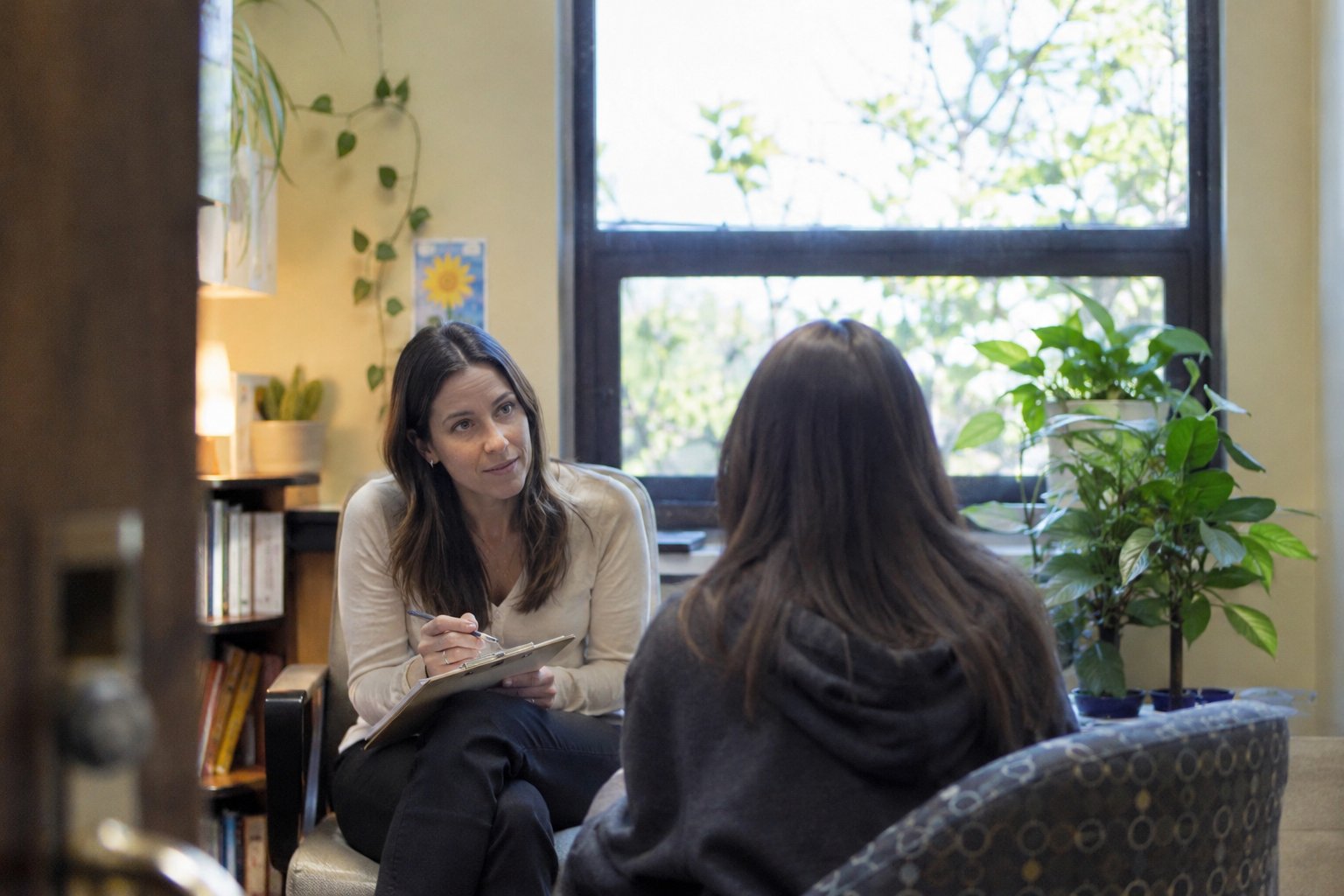
Only four states in the United States have enough school counselors to meet the recommended ratio of one counselor for every 250 students.
Colorado, Hawaii, New Hampshire and Vermont are the only states that reached that level during the 2024 to 2025 school year, according to the latest figures published by the American School Counselor Association (ASCA).
Across the country, the average was 372 students per counselor. In some states, the number was much higher. Arizona, for example, had one school counselor for every 570 students.
The shortage is especially concerning because school counselors help students with much more than choosing classes and preparing for college. They also support children dealing with bullying, anxiety, family problems and other difficulties that can affect their education.
Only Four States Have One School Counselor for Every 250 Students
The latest ASCA state-by-state report shows a large difference in access to school counselors across the country.
Vermont had the lowest ratio among the 50 states, with 172 students per counselor. Arizona had the highest, with 570. That means the average school counselor in Arizona was responsible for more than three times as many students as the average counselor in Vermont, based on statewide staffing figures.
Arizona, Michigan and Minnesota Have More Than 500 Students per Counselor
Arizona recorded the highest ratio in the country, with 1,103,894 students and 1,938 school counselors.
Michigan was close behind at 565 students per counselor, followed by Minnesota at 539.
For comparison, the national recommendation is 250 students per counselor. Arizona has more than twice that number.
Consider a school with 600 students and just one counselor. That counselor may need to help students with class schedules, college applications, attendance problems, family difficulties and mental health concerns.
Even if every student needed only one meeting during the school year, arranging hundreds of individual appointments would take considerable time. In reality, some children need several meetings, and urgent situations can arise without warning.
The state figures do not tell us how much individual attention each student receives. However, they show how demanding the workload can become when schools have relatively few counselors.
Why Does ASCA Recommend 250 Students per Counselor?
The American School Counselor Association has recommended a ratio of 250 students per counselor since 1965.
The recommendation is intended to give counselors enough time to work with students rather than spend most of their day dealing with paperwork and administrative tasks.
According to ASCA guidance on school counselor roles, counselors should spend at least 80% of their working time providing direct or indirect services to students.
Their responsibilities include helping children who struggle academically, supporting students with personal problems, discussing future education and careers, and working with teachers and parents.
For example, a student whose grades suddenly decline might be dealing with bullying or a difficult situation at home. A counselor can speak with the student, identify possible problems and help arrange appropriate support.
Another student may be doing well in school but need guidance on college applications, scholarships or career choices.
Both students need the counselor’s time, and schools must find room for many different needs throughout the year.
The 250-to-1 ratio is a professional recommendation, not a federal staffing requirement that every school must legally meet.
Student Mental Health Is Another Reason Schools Need Counselors
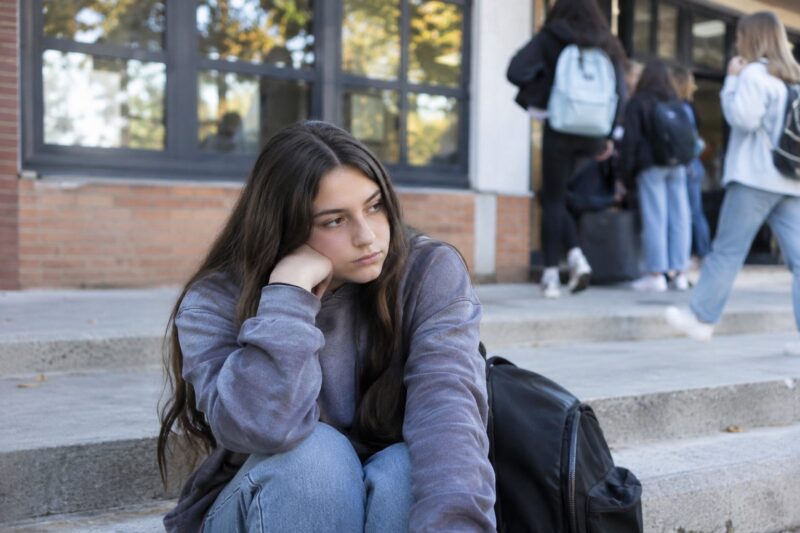
School counselors are increasingly involved in helping students who struggle with anxiety, depression and other mental health concerns.
The latest CDC Youth Risk Behavior Survey found that 33% of American high school students experienced persistent feelings of sadness or hopelessness in 2025.
Another 14% reported seriously considering suicide during the previous year.
There was some improvement compared with 2023, when 40% reported persistent sadness or hopelessness and 20% seriously considered suicide.
Still, one in three high school students reporting persistent sadness or hopelessness represents a large number of young people who may need support.
Students also experience mental health problems in different ways. Some struggle to concentrate in class. Others begin missing school, withdraw socially or have trouble maintaining friendships.
The warning signs are not always obvious. A counselor who knows the students and has time to speak with them may recognize a problem before it becomes more serious.
School counseling does not replace specialist mental health treatment. However, it can help children identify problems and find appropriate services.
The role of youth mental health counseling includes helping young people manage emotional difficulties, communicating with families and connecting students with additional support when necessary.
For children who have limited access to mental health services outside school, speaking with a school counselor may be an important first step.
Many Students Who Want Mental Health Treatment Still Do Not Receive It
Another recent CDC report shows how many students have trouble getting help even when they recognize that they need it.
Among high school students who reported persistent sadness or hopelessness in 2025, 29.6% received counseling or therapy during the previous year.
Another 28.8% said they wanted counseling or therapy but did not receive it. The remaining 41.5% did not report needing those services.
The CDC study on unmet mental health needs identified barriers such as cost and not knowing where to find help.
For some families, paying for private treatment can be difficult. Others may live far away from available providers or struggle to arrange appointments.
A school counselor can help students discuss their concerns and identify available services. Yet counselors with hundreds of students to support may have limited time for individual meetings.
Earlier research on unmet mental health treatment needs in the United States has also shown that access to care remains a problem for children and adults.
The student mental health figures and counselor staffing figures come from different surveys. They do not establish that counselor shortages caused the reported mental health problems.

Counselors Are Also Spending Time on Work Outside Their Main Responsibilities
Having enough counselors is one part of the problem. Schools also need to give them enough time to do their jobs.
In a separate 2025 ASCA survey of more than 6,200 school counselors, 59% reported being assigned duties that were inappropriate for their professional role.
Another 54% identified high student caseloads as a significant challenge.
The survey also found that counselors spent an average of 57% of their working time providing direct services to students. Another 15% went toward indirect services, including referrals and working with teachers or families.
For a counselor responsible for several hundred students, administrative work can reduce the time available for personal meetings.
School administrators therefore face two staffing questions. How many counselors does the school employ, and how much time can those counselors actually spend helping students?
The National Average Has Improved, but the Shortage Remains Large
The United States had 132,270 school counselors serving 49,269,882 public school students in the 2024 to 2025 school year.
A year earlier, the national average was 376 students per counselor. The latest figure of 372 shows a small improvement.
However, reaching the recommended 250-to-1 ratio across the country would require about 197,000 counselors for the current number of students.
Compared with the 132,270 counselors reported, that represents a gap of about 65,000 positions.
The calculation is a national estimate based on the recommended ratio. It does not account for the different staffing needs of individual districts or the way counselors are distributed between schools.
Hiring more counselors would also require money, qualified applicants and training opportunities. States have different licensing requirements, which can affect how easily schools recruit new staff.
View this post on Instagram
More Counselors Could Help Students With Education and Personal Problems
Research has found a connection between lower student-to-counselor ratios and better educational results.
The Education Commission of the States highlighted research associating lower counselor ratios with higher graduation rates, fewer students dropping out and better mathematics performance.
Those findings show an association rather than proof that hiring counselors alone will produce the same results in every school.
Counselors also support students who are dealing with problems that may never appear in their grades, including family conflict, social isolation and emotional difficulties.
We have previously examined mental health disorders among American adolescents and the problems young people face when support is unavailable.
Schools with too few counselors can consider several changes, including hiring additional staff, reducing unnecessary administrative duties and working with local mental health providers to arrange treatment when students need it.
The national figures show that counselor staffing has improved slightly, but 46 states still remain above the recommended ratio.
For students in places such as Arizona and Michigan, where the average exceeds 560 students per counselor, getting more counselors into schools could mean more opportunities to receive help with schoolwork, personal problems and plans for life after graduation.